Youth Baseball Buying Guide (2026): How to Choose Every Piece of Gear, by Age
One page that answers the whole cart: what gear a youth baseball player actually needs at each age, what each piece should cost, the sizing rules that prevent the classic mistakes, and links to our verified picks for every category. Tee ball through high school, rec budget through travel ball.
In this guide · 11 sections
- Helmet headset
- The master budget: what a full setup costs by age
- The glove: the first real purchase
- The bat: stamp first, size second, money last
- The helmet: certification is free, fit is everything
- Cleats and the bag: the easy 20 percent
- Catcher gear: the big add-on, bought in the right order
- Optional gear, ranked by actual usefulness
- Tee ball: the one-paragraph version
- Also worth a look
- FAQ
Key takeaways
- The required list is shorter than the sporting goods aisle implies: glove, bat, helmet, cleats, and a bag cover most players; catchers add a gear set, and everything else is optional.
- Fit beats brand at every age. The number one buying mistake in youth baseball is sizing up 'to grow into,' which sabotages gloves, bats, helmets, and cleats alike.
- Budget honestly by age: a complete tee-ball setup runs about $75-120, a rec 10U setup $150-250, and travel ball can be outfitted sensibly for $300-500 before anyone spends flagship money.
- Check the league's bat stamp before buying any bat. USA for most rec leagues, USSSA for most travel, BBCOR for high school. The standards explainer settles it in two minutes.
- Buy the required gear first, the fun gear later: a fitted helmet and glove matter more than any training aid, bag, or accessory.
- Every recommendation on this page links to a full guide with live-verified picks, so the deep dive is one click away per category.
Buying youth baseball gear comes down to five required pieces (glove, bat, helmet, cleats, bag), one big optional role (catcher), and a sizing rule that governs all of it: buy what fits now, not what fits next year. Everything else in the store, from training aids to $300 bats, is a want dressed as a need until your player's level says otherwise.
This is the hub for the whole cart. For each category: what it should cost at each age, the one sizing rule that matters, when to upgrade, and the link to our full verified-picks guide. It pairs with our equipment checklist by age (what to have) the way a map pairs with a packing list; this page is the how-to-choose. We build MAVTRAX, the pitch-calling app for youth coaches, which means we spend every weekend watching which gear actually survives a season.
The master budget: what a full setup costs by age
Honest ranges for a complete new setup, using picks from our verified guides (used gear and hand-me-downs cut these numbers dramatically, and should):
| Age / level | Complete setup | Where the money goes |
|---|---|---|
| Tee ball (4-6) | $75-120 | Soft glove, light USA bat or team bat, helmet, sneakers or molded cleats |
| 8U rec | $120-200 | 10.5"-11" glove, USA bat sized right, own helmet, molded cleats, small bag |
| 10U-12U rec | $150-250 | 11"-11.5" glove, proper USA bat, fitted helmet, cleats, bat bag |
| 10U-13U travel | $300-500+ | Quality glove, USSSA bat (composite optional), sized helmet, metal-ready cleats, wheeled bag |
| High school | $350-600+ | Pro-grade glove territory, BBCOR bat, senior helmet, metal cleats |
| Catcher (any age) | +$150-350 | Helmet, chest protector, leg guards, mitt; the biggest single add-on in the sport |
Rule of thumb hiding in that table: the glove and bat deserve about two-thirds of any budget, because they're the pieces where fit and quality change how the game feels every single play.
The glove: the first real purchase
The rule: size by hand, not age, and never buy big. A glove the player can't close one-handed costs outs every inning. The ladder runs roughly 9.5"-10.5" for tee ball, 10.5"-11" at 8U, 11"-11.5" at 10U, 11.25"-12" at 12U, and full adult patterns from about 13U up; the complete table is in the glove size chart. Spend $25-35 for rec seasons at young ages, $50-80 when the player sticks with it, and step into real leather only when they play enough to break it in. Our age guides carry live-verified picks: tee ball, 8U, 10U, 12U, and the all-ages youth glove roundup. One check that prevents the most common return in the sport: a right-hand-throw glove goes ON the left hand. Confirm the throwing hand before ordering.
The bat: stamp first, size second, money last
Order of operations: (1) find your league's required stamp, (2) get the length and drop right, (3) then decide how much to spend. Most rec leagues require the USA stamp, most travel ball swings USSSA, and high school requires BBCOR (-3); buying the wrong stamp is a $100+ mistake the umpire catches on day one, and the standards explainer prevents it. Sizing lives in the bat size guide, and "drop" (the length-minus-weight number) is decoded in bat drop explained. On spend: a $60-80 alloy is the right bat for most rec players (youth bat picks, 8U, 10U, 12U); composite's bigger sweet spot starts earning its $130-200 in travel ball, covered honestly in the new composite bat guide and composite vs alloy; high schoolers shop the BBCOR guide.
The helmet: certification is free, fit is everything
Every legitimate batting helmet carries the same NOCSAE certification, so the differences that matter are fit and face protection. The ten-second test: eyebrows visible, ear holes aligned, and no movement when the player shakes their head hard. One-size-fits-most shells like the Rawlings COOLFLO (~$34) fit most 8-to-14-year-olds; very small and very large heads need sized shells. Face protection is the real decision: some leagues require jaw or face guards at young ages, and add-on guards cost $10-25. Full picks, sized options, and the guard question are in the new batting helmet guide, with measurements in the helmet size chart. Add a pair of batting gloves ($17-36 covers almost everyone, picks here) and the plate gear is done.
Cleats and the bag: the easy 20 percent
Cleats: molded rubber until the league allows and the level demands metal. Molded cleats are legal everywhere, safer on shared fields, and cost $25-60 (youth picks, adult picks); metal enters the conversation around 13U-high school. Fit like sneakers, snug heel, thumb-width toe room, and expect annual replacement while feet grow. The bag: a $20-30 backpack until gear outgrows it. A bat backpack carries the standard kit fine through 12U; wheeled bags earn their $60-120 for catchers and tournament weekends, covered in the wheeled bag guide.
Catcher gear: the big add-on, bought in the right order
If your player catches, the buying order is: league loaner gear first, own mitt second, own full set third. Every rec league owns team catcher gear; use it the first season while the interest proves out. The mitt is the first personal purchase because fit and break-in are personal (10U mitts, 12U mitts, all youth mitts). The full set, helmet, chest protector, leg guards, runs $150-350 and is sized by the catcher gear sizing chart, with verified picks in the youth catcher gear guide and its companion guides for helmets, chest protectors, and leg guards. A catcher's bag stops being optional the day the full set arrives.
Optional gear, ranked by actual usefulness
Once the required kit fits, the upgrade ladder we'd actually climb, in order: (1) a quality batting tee (~$100) or budget equivalent from the tee guide, the highest-value training purchase in the sport; (2) a 7x7 net to make the tee usable daily; (3) a pocket radar for pitcher families, with honest expectations set by our pitching speed by age chart; (4) the full training aid roundup and backyard setup plan for the all-in household; and (5) sunglasses, covered in the baseball sunglasses guide. Skip anything marketed as adding velocity to an 8-year-old.
Tee ball: the one-paragraph version
Tee ball families need less than the aisle suggests: a 9.5"-10.5" soft-closing glove, the lightest USA-stamp bat the league allows (or the team bucket bat), a helmet that passes the shake test (the t-ball COOLFLO (~$28) is the standard), and sneakers or $25 molded cleats. Total: $75-120 new, half that used. The complete kit with verified picks is in the tee ball gear guide. The only mistake to actively avoid: a heavy bat "to grow into," which teaches a drag swing that takes two seasons to unteach.
Also worth a look
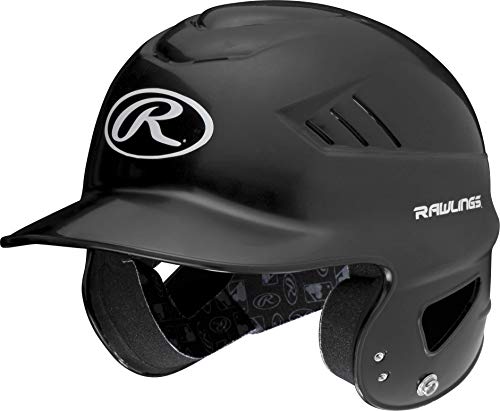 Rawlings COOLFLO Batting Helmet (One Size Fits Most)The best-overall youth batting helmet (~$34)~$32 · View on Amazon →
 Easton MOXIE USA Baseball Bat (-12, 27")The proven value USA bat for rec leagues (~$65)~$65 · View on Amazon →
 Under Armour Leadoff Low RM JR 3.0 Molded CleatsThe $30 molded cleat that fits most rosters~$30 · View on Amazon →
 Franklin Digitek Youth Batting GlovesThe $17 youth batting gloves sized to fit now~$17 · View on Amazon →
FAQ
What equipment does a kid need for baseball?
Required: a glove sized to the hand, a bat with the league's required stamp (USA, USSSA, or BBCOR), a NOCSAE-certified batting helmet that fits, cleats (molded rubber for youth), and a bag. Catchers add a mitt and protective set. Everything else, training aids, sunglasses, wheeled bags, is optional.
How much does youth baseball gear cost?
A complete tee-ball setup runs about $75-120, a rec-league 8U-12U setup $150-250, and a travel-ball setup $300-500 before flagship-level gloves or composite bats. Catcher gear adds $150-350. Buying used or one season behind on bat models cuts every number substantially.
Is there a baseball buying guide for every age?
Yes, this page is the hub, and each category links to age-specific guides with verified picks: tee ball gear, 8U/10U/12U gloves and bats, youth helmets, cleats, and catcher gear by age. The companion equipment checklist by age covers what to have; this page covers how to choose it.
What is a tee ball buying guide's short answer?
A soft 9.5"-10.5" glove the child can close, the lightest USA-stamped bat allowed (26" or shorter for most), a certified helmet that doesn't wobble, and sneakers or cheap molded cleats. About $75-120 new. Skip everything marketed beyond that list at this age.
What should a catchers equipment buying guide cover first?
Order of purchase: use the league's loaner set first, buy the personal mitt second (fit and break-in are individual), and buy the full helmet/chest/legs set third, sized from a catcher gear sizing chart. A full youth set runs $150-350. Never buy catcher gear 'to grow into'; loose leg guards are a safety problem.
When should a kid get an expensive bat or glove?
When level and commitment justify it: composite bats start making sense in travel ball (10U-13U USSSA), and pro-grade leather gloves around committed 12U-high school play. Before that, correctly sized mid-tier gear outperforms oversized flagship gear every time.
We're the team behind MAVTRAX — pitch-calling software used by baseball and softball teams from 9U travel ball up. We spend our days around dugouts, gear bags and tournament weekends. Picks are chosen on specs, durability for youth-sports abuse, real-world price, and owner feedback — not on who pays the highest commission. Full criteria on how we pick.
The gear every player actually needs
The core kit from our gear checklist. Live price on Amazon.

