Youth Baseball Equipment Checklist by Age (2026): What Your Kid Actually Needs at Every Level
First season or fifth, the question is the same: what does this kid actually NEED, what is required by rule, and what is the sporting-goods store upselling? Save this checklist: the required kit at every age band, honest budgets, what to buy used versus new, and links to the sized-and-verified pick for every slot.
In this guide · 11 sections
- Helmet headset
- The master checklist: required vs worth-it vs skip, by age
- Slot 1: the glove (spend here first)
- Slot 2: the helmet (the certification purchase)
- Slot 3: the bat (check the stamp before the brand)
- Slots 4-6: cleats, protection, and the bag
- The catcher exception (read before volunteering your kid)
- Honest budgets: three complete kits
- The home practice add-ons (optional, highest return)
- Also worth a look
- FAQ
Key takeaways
- The true required list is short at every age: glove, helmet, bat (often shared early on), cleats, athletic support, and the bag to carry it. Leagues supply catcher gear and game balls; almost everything else is optional.
- Two rule-driven purchases parents get wrong: the bat certification and the helmet. Little League play requires USA Bat-stamped bats (through Intermediate) and NOCSAE-certified dual-flap helmets; travel ball allows different bats. Check the stamp before the brand.
- Spend where the hands are: the glove is the one item where fit and quality change every single play. Budget guide: glove first, helmet second, bat third (it is shareable), everything else after.
- Tee-ball families: resist the full kit. A ~$20 glove, ~$28 helmet, and ~$33 bat cover the season; total honest budget under $100. The arms race starts soon enough.
- Molded cleats until the big diamond: metal spikes are prohibited in Little League through Majors and become legal around the 13U transition, so buy molded until then.
- Buy used: bags, helmets you can inspect, barely-used cleats. Buy new: the glove (breaking it in IS the fitting) and anything protective you cannot verify.
Youth baseball's real equipment list is shorter than the sporting-goods aisle suggests: a glove that fits, a certified helmet, a legal bat, cleats, an athletic cup, and a bag, plus catcher gear only if your kid catches, and the league covers the rest. What changes by age is the sizing, the certification stamps, and how much performance actually matters.
This checklist walks the ladder age band by age band: what is required (with the rule it comes from, mostly Little League's equipment rules, which most rec leagues mirror), what is genuinely worth adding, and what can wait. Every product link goes to a sized guide or a verified in-stock pick, and the two companion charts do the fitting: the glove size chart and the helmet size chart. Playing fall ball? Layer the fall-ball checklist (the seasonal weather kit) on top of this one.
The master checklist: required vs worth-it vs skip, by age
| Age band | Required | Worth adding | Skip for now |
|---|---|---|---|
| Tee-ball (4-6) | Glove (9"-10"), helmet, sneakers or molded cleats | A shared tee-ball bat, small bag | Batting gloves, personal catcher gear, anything "performance" |
| Coach pitch / 8U (6-8) | Glove (10"-10.5"), helmet, USA-stamped bat, molded cleats, cup | Batting gloves, real equipment bag | Premium bats, metal anything |
| Kid pitch 9U-12U | Glove (10.5"-11.5"), helmet, legal bat for your sanction, molded cleats, cup | Sliding shorts, own helmet w/ jaw guard, tee + net at home | Metal cleats (illegal), $350 bats for 60-lb hitters |
| 13U+ / big diamond | Adult-pattern glove, helmet, USSSA or BBCOR bat per league, cleats (metal now legal), cup | Position-specific glove, second bat, recovery basics | Whatever the team's sponsor pressure says this month |
Catcher gear is its own column of life and covered in its own section below. The rest of this page walks each slot with sizing links and verified picks.
Slot 1: the glove (spend here first)
The glove is the only equipment touching every defensive play, and the one where "grow into it" actively teaches drops. Fit rules and both master charts live in the glove size chart; the short version: 9"-10.5" through age 7, 10.5"-11.5" for the 8-12 core, adult patterns from about 14, and the player must be able to squeeze it fully shut. Sized picks, all verified: 8U gloves, 12U gloves, and the full youth glove guide, with a first-glove favorite like the Rawlings REMIX tee-ball glove (~$21) for the youngest band. Buy the glove new (breaking it in shapes it to the hand; the break-in guide), and budget $25-$40 for 5-8, $45-$90 for 9-12.
Slot 2: the helmet (the certification purchase)
Helmets are a rules purchase first and a comfort purchase second: sanctioned leagues require NOCSAE-certified, dual-ear-flap shells, sized by hat size. The measuring tape method, the hat-size conversion, and the faceguard rules are all in the helmet size chart. The two shells that cover most families, both verified in stock: the Rawlings COOLFLO tee-ball (~$28) and the COOLFLO one-size-fits-most (~$32). A personal helmet beats the shared team rack for fit and hygiene, and it is the only way to run a jaw guard.
Slot 3: the bat (check the stamp before the brand)
The bat is the most over-purchased item in youth sports and the one with real legality rules. The sequence that avoids both mistakes:
- Confirm the certification your league requires: the USA Baseball stamp for Little League and most rec ball through Intermediate, USSSA (1.15 BPF) for most travel organizations, BBCOR (-3) for high school. The full decoder: USA vs USSSA vs BBCOR.
- Size by the player, not the age on the box: the height-and-weight matrix and the 30-second hip-height method are in the bat size chart.
- Then pick from the sized guides: 8U, 10U, 12U, or the full youth roundup. A verified starter that covers the coach-pitch years: the Easton MOXIE USA -12 (~$65); tee-ballers do fine with the REMIX tee-ball bat (~$33).
Honest budget note: through about 10U, a $60-$90 alloy bat gives up almost nothing to a $350 composite in small hands. Save the flagship money for the 12U-13U years when barrel and swing weight genuinely matter, and mind the composite break-in if you go that route.
Slots 4-6: cleats, protection, and the bag
- Cleats: molded rubber until the big diamond. Metal spikes are prohibited in Little League through the Majors division and become legal around the Intermediate/13U transition (details in the rules by age chart). Sized picks in the youth cleat guide; the UA Leadoff Jr (~$30) is the classic value buy. Fit tip: one thumb-width of room, no more; cleats are not a grow-into item either.
- Athletic cup: required for male catchers under Little League's rules and smart for every infielder from kid pitch on. The Shock Doctor BioFlex (~$11) is the standard answer. Add a braces mouthguard (~$16) if there is orthodontia in the picture.
- Sliding shorts earn their spot the season stealing starts (see when that is): Youper youth padded (~$17).
- Batting gloves are optional but beloved: Franklin youth (~$17), more in the batting-glove section of our gear guides.
- The bag: a backpack with bat sleeves ends the loose-gear-in-the-trunk era. The Rawlings REMIX youth pack (~$25) covers rec ball; travel families graduate to the bat backpack guide or wheeled bags.
The catcher exception (read before volunteering your kid)
Catching is the one position with its own equipment economy. The good news: leagues are required to provide catcher gear, and shared team sets are how nearly everyone starts. The honest news: once a kid catches regularly, personal gear that fits (and does not smell like a decade of shared use) becomes the best money in the bag. The sizing ladder is its own chart (catcher gear sizing), and the buying path runs: a catcher's mitt first (the piece where shared gear hurts most), then a helmet, then the full set with knee savers and a bag to haul it. Rule reminder from the rules chart: the cup is mandatory for male catchers, and masks need their throat protection intact.
Honest budgets: three complete kits
| Kit | Contents | Total |
|---|---|---|
| Tee-ball starter | REMIX glove + tee-ball helmet + REMIX bat, sneakers fine | ~$82 |
| Kid-pitch core (9U-12U) | $50 sized glove + $32 OSFM helmet + $65 USA bat + $30 molded cleats + $11 cup + $25 bag + $17 batting gloves | ~$230 |
| Travel upgrade (12U-13U) | $90 glove + helmet w/ jaw guard + $200-tier bat + cleats + sliders + wheeled or premium pack | ~$450-$600 |
Where used gear works: bags, lightly-worn cleats, and helmets you can personally inspect (shell, padding, legible NOCSAE label). Where it does not: the glove (the break-in belongs to your kid's hand), cups and mouthguards obviously, and any bat for a sanction that has since changed standards. Facebook Marketplace's youth-bat section is a graveyard of no-longer-legal certifications; check the stamp against the standards guide before paying.
The home practice add-ons (optional, highest return)
None of this is required, all of it out-earns another gear upgrade: a tee and net turn 20 minutes after dinner into the volume that actually improves hitters. The starter pair is a quality tee (~$100, cheaper options exist) and a 7x7 net (~$65); the full escalation path from apartment-friendly to backyard cage lives in the backyard training setup guide, and the structured way to use it is in our practice plan templates. Cold-weather and fall additions (thermal layers, hand warmers) are the fall-ball checklist's department.
Also worth a look
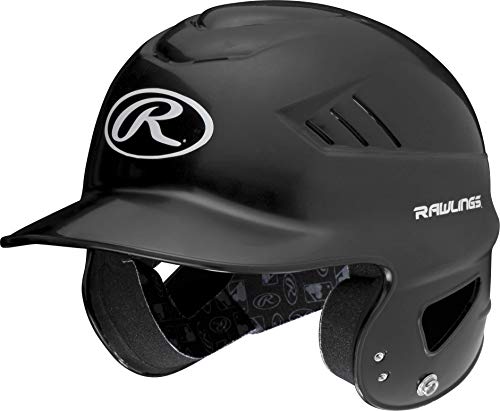 Rawlings COOLFLO Batting Helmet (One Size Fits Most)The one-size-fits-most helmet that covers ages 7 to 13.~$32 · View on Amazon →
 Shock Doctor BioFlex Athletic CupThe eleven-dollar required item everyone forgets until sign-ups.~$11 · View on Amazon →
 Rawlings | REMIX Backpack Equipment Bag | T-Ball & Youth Baseball / SoftballThe starter bat pack that ends loose-gear-in-the-trunk season.~$25 · View on Amazon →
FAQ
What equipment does a kid need to start baseball?
The required core: a glove that fits (the one non-negotiable), a NOCSAE-certified batting helmet, and shoes (sneakers are fine at tee-ball, molded cleats after). A bat is usually shareable at the youngest ages, and leagues provide catcher gear and game balls. A realistic tee-ball startup budget is under $100.
How much does youth baseball equipment cost?
A complete tee-ball kit runs about $80. The kid-pitch core kit (sized glove, helmet, legal bat, cleats, cup, bag) is realistically $200-$250 with honest mid-tier picks. Travel-ball kits with premium bats and position-specific gloves commonly reach $450-$600, before optional catcher gear.
What baseball equipment is required by league rules?
The rule-driven items: a NOCSAE-certified dual-ear-flap batting helmet, a bat carrying the certification your sanction requires (USA stamp for Little League play, USSSA or BBCOR elsewhere), molded (non-metal) cleats through Little League Majors, and full protective gear plus a cup for catchers. Leagues must provide catcher's equipment, though most regulars eventually buy their own.
Should I buy used baseball gear for my kid?
Selectively. Good used buys: equipment bags, lightly-used cleats, and helmets you can inspect in person (intact shell and padding, legible certification label). Buy new: the glove (break-in molds it to the hand), cups and mouthguards, and bats where a certification change may have made older models illegal for your league.
What size bat and glove does my kid need?
Size by measurement, not age: gloves roughly 9"-10.5" through age 7, 10.5"-11.5" for ages 8-12, with the close test deciding (the player must squeeze it shut). Bats size by height and weight with the knob-to-hip check. Both full charts are on this site: the glove size chart and the youth bat size chart.
When do kids need metal cleats?
Not until the big-diamond transition: Little League prohibits metal spikes through the Majors division (about age 12), and they become legal at Intermediate and above. High school play allows and generally expects them. Until then, molded rubber cleats are the rule and the right buy anyway.
Does my kid need their own catcher's gear?
Not to start: leagues are required to provide catcher's equipment, and shared sets are how nearly all catchers begin. Once a player catches most games, personal gear that actually fits is the best upgrade in the bag, starting with the mitt, then the helmet, then the full set.
We're the team behind MAVTRAX — pitch-calling software used by baseball and softball teams from 9U travel ball up. We spend our days around dugouts, gear bags and tournament weekends. Picks are chosen on specs, durability for youth-sports abuse, real-world price, and owner feedback — not on who pays the highest commission. Full criteria on how we pick.