The Best Catcher's Gear Bags: Wheeled, Backpack & Budget (2026)
Helmet, chest protector, two shin guards, mitt, cleats — catchers haul double the gear of any other player, usually through a gravel parking lot in July. The bags that actually carry it all, from $44 backpacks to the Yadi.
In this guide · 10 sections
Quick picks
Our top recommendations — full reviews below.

Key takeaways
- A catcher's kit doesn't fit in a normal bat bag — buy catcher-specific or regret it weekly.
- Wheels win for tournament weekends; backpacks win for kids carrying their own gear (they should).
- Vented compartments matter more than brand names — wet July gear in a sealed bag is how equipment dies.
- A $30 drying rack at home doubles the life (and halves the smell) of every pad in the bag.
- Zippers are the first thing to die on every bag at every price — never overstuff, and the budget bags last twice as long.
- Build a permanent kit inside the bag (sunscreen, spare laces, snacks, tools) so packing is a 30-second check, not a Saturday scramble.
Nobody warns you about this part of having a catcher: the gear pile. A full kit — helmet, chest protector, shin guards, mitt, knee savers, cleats, plus the regular bat-and-glove load — is roughly double what any teammate carries, and it travels to every game, every tournament, every hotel.
The right bag turns the Saturday gear-schlep from a two-trip family event into one rolling pull. Here's what actually holds a catcher's kit, ranked by how families really use them.
At a glance
| Pick | Best for | Price* | ||
|---|---|---|---|---|
| SUPRANICE Wheeled Catcher's Gear Bag | Best value wheeled bag | ~$60 | View → |
 | Rawlings YADI 2.0 Wheeled Catcher's Bag | The pro-grade buy-once bag | ~$230 | View → |
 | Athletico Dominator Catcher's Backpack | Best backpack — kid-carried gear | ~$60 | View → |
 | FOKDUVB Catcher's Gear Backpack | Budget backpack that still fits the kit | ~$44 | View → |
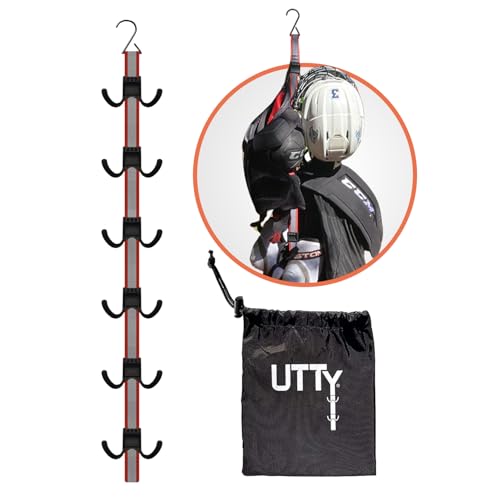 | UTTY Portable Gear Drying Rack | Kill the gear-bag smell forever | ~$30 | View → |
*Prices at time of writing — they move; check the listing.
SUPRANICE Wheeled Catcher's Gear Bag
~$60
The value pick that solved the category: a rolling bag sized specifically around catcher's gear, with a main bay that swallows helmet + chest protector + shin guards assembled, side pockets for the mitt and cleats, and bat sleeves on the flank. Inline wheels and a telescoping handle survive gravel lots better than they have any right to at $60.
What owner reviews consistently flag as the pleasant surprise is the internal organization — a dedicated cleat compartment that keeps mud off the pads, a mesh top panel so the main bay actually breathes, and enough leftover volume for a water jug and a hoodie. Compare that to the generic "player bags" at the same price, which technically zip closed over a catcher's kit but treat every loading like a hostage negotiation.
The honest trade-off is the running gear. The wheels are skate-style inline wheels, not the oversized all-terrain rollers on the Rawlings below — fine on pavement and packed gravel, draggy in deep grass and sand. And the telescoping handle has play in it when the bag is loaded to the max. Neither is a dealbreaker at this price; both are why the Yadi costs four times more.
- Swallows the full kit with room left
- Real wheels + telescoping handle
- Bat sleeves + cleat pocket
- Half the price of brand-name equivalents
- Zippers are the budget compromise — don't overstuff
- Lighter fabric than the Rawlings
Rawlings YADI 2.0 Wheeled Catcher's Bag
~$230
Named for Yadier Molina and built like it expects a decade of service: tarpaulin-grade fabric, oversized all-terrain wheels, a cavernous vented main bay, and organized compartments for every piece of the kit including a fleece-lined valuables pocket. This is the bag you see rolling through college dugouts.
The construction details are where the $230 goes. The wheels are the big, widely-spaced kind that roll over curbs, root-buckled sidewalks, and the infamous grass gauntlet between Field 6 and the parking lot without flipping. The base is a rigid tub, not floppy fabric, so the bag stands up on its own while you load it. And the zippers — the part that kills every budget bag — are heavy-gauge with oversized pulls that survive being yanked by cold hands in March and sweaty ones in July.
$230 is real money for a bag — the math works for the year-round travel catcher whose $60 bags keep dying every season. Two dead budget bags equals one Yadi, and the Yadi is still rolling when the player ages out. It also routinely outlives the player's youth career entirely and gets handed down, which is the quiet way serious catcher families talk about it.
- Genuinely buy-it-for-a-decade construction
- Big wheels handle gravel and grass
- Vented bays — gear actually dries
- Holds the kit plus bats plus personals
- $230
- Big — fills a sedan trunk by itself
Athletico Dominator Catcher's Backpack
~$60
There's a strong case that the catcher should carry their own gear — and the Dominator makes it physically possible: a giant-format backpack with a vented main compartment sized for the full kit, fence hooks for the dugout, and padded straps that distribute the load a 12-year-old can actually manage.
Backpacks beat wheels anywhere wheels fail: bleacher stairs, muddy complexes, crowded dugouts. And there's something right about a catcher walking in carrying their own armor.
The packing order matters more on a backpack than a roller, because the load rides on a kid's shoulders. Shin guards flat against the back panel, chest protector folded in front of them, helmet on top where the bag tapers — that puts the weight close to the spine instead of swinging behind it. Loaded wrong (helmet at the bottom, pads bulging outward), the same bag feels ten pounds heavier and the straps dig. Coaches who run catcher-heavy programs teach the packing order on day one for exactly this reason.
- Full kit on two shoulders, hands free
- Fence hooks — dugout organization built in
- Vented so pads breathe
- Works where wheels don't (stairs, mud)
- Heavy when fully loaded — honest limit for small kids
- No bat capacity beyond two sleeves
FOKDUVB Catcher's Gear Backpack
~$44
The budget backpack that doesn't cheat on the one thing that matters: capacity. Helmet, chest protector, and shin guards fit in the main bay, with a mitt pocket and bat sleeves outside. The fabric and zippers are honest $44 quality — treat it gently and it's a season or two of faithful service.
Right buy for the first-season catcher (when you're not yet sure the position sticks) or as the school-ball second bag.
The first-season math is worth spelling out, because it's the trap parents fall into in both directions. Spend $230 on a Yadi for a 9-year-old who tries catching for eight games, and you own a very nice bag for a position your kid quit. Spend $0 and stuff the kit into a regular bat bag, and you fight the gear every single Saturday until somebody leaves a shin guard in a hotel. The $44 bag is the correctly-sized bet: real catcher capacity, minimal sunk cost, and if the position sticks it gracefully demotes to practice-bag duty when the upgrade arrives.
- Full kit fits — the non-negotiable
- Lightest bag here
- Cheap enough for a 'trying out catcher' season
- Fence hooks included
- Budget zippers — load with care
- Less venting than the Dominator
UTTY Portable Gear Drying Rack
~$30
The unsung hero of the catcher household: a folding rack that hangs the chest protector, shin guards, and helmet to actually dry between games instead of fermenting in the bag. Borrowed from hockey families — who know things about equipment funk — and it works exactly as advertised.
Here's why it earns a slot in a bag guide: moisture is what actually kills catcher's gear. Foam padding that stays damp compresses faster and loses its protection; straps and stitching rot; helmet liners flatten. Every bag on this list vents, but venting only slows the damage — a sealed car trunk in July undoes it by Sunday. The rack is the system that makes any bag last longer, which makes it the highest-return $30 in this whole guide.
It folds flat for tournament weekends, too. Set it up in the hotel room Saturday night and Sunday's gear goes on dry — ask any catcher who has strapped on cold, wet shin guards at 7:45am what that's worth.
- Dry gear = longer-lasting gear
- Ends the bag-funk arms race
- Folds flat, travels to tournaments
- Holds a full kit plus extras
- One more thing in the garage
- Assembly takes 20 minutes
Wheels or backpack? The honest decision tree
Choose wheels if: tournament weekends, multiple bats travel along, parking lots are paved, or a parent is doing the hauling. Choose a backpack if: the catcher carries their own gear (do this as early as possible), your complexes involve stairs/mud/gravel, or dugout space is tight. Plenty of serious catcher families eventually own one of each — wheels for tournaments, backpack for practice. Whichever you pick: vented compartments are non-negotiable, and the drying rack at home does more for gear longevity than any bag feature.
One more variable parents underweight: who unloads the car at 6:50am. A wheeled bag a parent pulls is also a bag a parent packs, finds, and gets blamed for when the cup is missing. A backpack the catcher owns transfers the whole responsibility chain — packing it, carrying it, knowing what's in it. Coaches will tell you the gear-ownership kids and the game-ready kids are usually the same kids. If you're on the fence at age 11–12, that's the tiebreaker.
The tournament-day packing checklist
Tournament mornings fail at 6am, not at the field. Run the bag the night before, in this order — armor first, comfort second, paperwork last:
- The kit: helmet, chest protector, both shin guards (check the straps — they walk off), mitt, knee savers, throat guard, cup. Touch each one; don't trust memory.
- The body: cleats AND sneakers (turf complexes and rain delays), two pairs of socks, a full change of clothes for the ride home, hoodie for the 8am chill.
- The day: water jug frozen half-full the night before, snacks that survive heat (no chocolate), sunscreen, bug spray, a towel.
- The fixes: spare laces, athletic tape, a multi-tool or screwdriver for helmet hardware, a Sharpie, a few zip ties — the four-item kit that solves 90% of dugout equipment emergencies.
Print it, laminate it, clip it inside the main flap. The checklist does its real work the third weekend, when everyone's confident and nobody checks — that's exactly the morning the chest protector is still on the drying rack.
What lives in the bag permanently
The packing checklist gets shorter every season if some items simply never leave the bag. Designate one pocket — most bags have a small zip pocket nobody has a plan for — as the permanent kit: sunscreen stick, spare mouthguard, spare laces, tape, the multi-tool, a couple of single-serve electrolyte packets, and a $10 bill flat at the bottom for the concession stand when the card reader is down. Restock it when you use it, on the spot.
Two things should never live in the bag: anything damp (that's the rack's job) and the wallet/phone/keys cluster — give valuables one consistent pocket (the Yadi's fleece-lined pocket exists for this) or keep them out entirely, because a bag that lives on a dugout fence is not a safe. Everything else — the stuff with no game-day decision attached — rides permanently, and Saturday packing collapses to: kit, clothes, water, go.
Make the bag last: a 5-minute maintenance habit
Catcher bags die three deaths — zipper failure, wheel/strap failure, and funk — and all three are preventable. Zippers: never zip against pressure (compress with your hand, then pull), and hit the coils with silicone spray when they start to drag. Wheels and straps: knock the gravel out of the wheel housings monthly, and check strap stitching where it meets the bag body — re-stitching a loose anchor point costs five minutes; a snapped strap mid-tournament costs the weekend.
Funk and fabric: empty the bag completely every couple of weeks (the dirt at the bottom is sandpaper grinding on the liner), hose or wipe it out, and leave every zipper open overnight. Owners who do this report budget bags lasting two-plus seasons and the premium bags basically forever. The pattern across every price point is the same: bags almost never wear out — they get killed by overstuffing, grit, and trapped moisture.
Team gear vs. personal gear: who hauls what
If your league or team owns shared catcher's gear, somebody is hauling it — and that somebody should be a system, not whichever parent got volunteered. The clean setup: one team-owned wheeled bag (the $60 SUPRANICE class is perfect) that carries the shared kit and rotates between two designated families on a schedule, plus each catcher's personal backpack for their own mitt, helmet if they have one, and personals. The wheeled bag lives in a known car, the rotation lives in the team chat, and nothing depends on memory.
Two rules keep the shared system from collapsing. First, the team bag gets the same drying treatment as personal gear — shared pads that never dry become the pads nobody wants to wear, and then parents start buying personal kits out of self-defense (which, to be fair, is how most catchers end up with their own gear anyway). Second, label everything: a paint pen on the helmet shell and strap-tags on the pads end the "whose shin guard is this" archaeology at the end of every season. Once your catcher is playing the position more than half the time, personal gear in a personal bag is the real answer — shared gear is a starter system, not a destination.
Lighter bag, smarter dugout
One thing that never has to ride in the bag again: the wristband sign-cards and laminated call sheets. MAVTRAX replaces the whole sign system with the coach's phone and a $15 Bluetooth earpiece under the catcher's helmet — the call arrives by voice, instantly, un-stealable. Less to pack, less to lose, faster innings. The app is free — the earpiece is the only thing you'll ever buy.
Also worth a look
 Complete Youth Catcher's SetIf you're filling the new bag from scratch — the all-in-one kit that fits every bag here.~$120–$200 · View on Amazon →
 Easton Catcher's Knee SaversThe piece most often forgotten on the bleachers — strap them to the shin guards permanently.~$33 · View on Amazon →
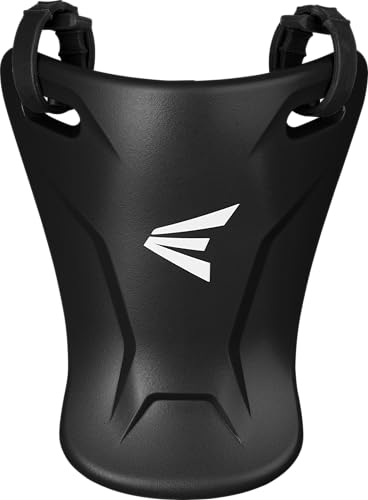 Easton Throat Guard 3.0Lives clipped to the helmet, so it packs itself.~$15 · View on Amazon →
 Rawlings Renegade 32.5" Catcher's MittThe best-value youth mitt to ride in that mitt pocket.~$58 · View on Amazon →
 Rawlings Glove Break-In Kit$12 of mitt care that belongs in the bag's permanent kit pocket.~$12 · View on Amazon →
 Low-Profile IPX7 Clip SpeakerThe $15 earpiece that replaces the wristband sign-cards entirely.~$15 · View on Amazon →
FAQ
Will catcher's gear fit in a regular bat bag?
No — that's the whole problem. A standard bat pack fits a glove, helmet, and bats. A catcher's kit (helmet, chest protector, shin guards, mitt, knee savers) needs roughly double the volume. Catcher-specific bags are sized for it; everything else is a weekly packing fight.
Should my kid carry their own catcher's gear?
As soon as they physically can — usually around 11–12 with a proper catcher's backpack. It builds ownership of the position, and coaches notice the kid who shows up self-sufficient. Until then, wheels save the parents' backs.
How do I keep catcher's gear from smelling?
Dry it between uses — that's 90% of the battle. Gear rack in the garage, pads out of the bag the same night, occasional sun-dry (UV kills the bacteria that cause the smell). Sprays mask; drying solves.
What size bag for travel tournaments?
Big enough for the full kit PLUS a change of clothes, snacks, and a water jug — tournament days are long. The wheeled options here all handle it; add a small cooler and you're a self-contained operation.
How long should a catcher's gear bag last?
Budget bags ($44–$60) are honestly a one-to-three season item depending on how they're treated — zipper care and not overstuffing roughly doubles their life. The premium tier (the Rawlings Yadi class) is built to outlast a youth career entirely. The failure points at every price are the same: zippers, strap anchors, and wheels, in that order.
Are wheeled bags allowed in dugouts?
Usually yes, but big wheeled bags eat dugout floor space fast, and some tournament complexes ask teams to line bags along the outside fence instead. Backpacks with fence hooks sidestep the issue entirely — they hang on the chain-link and stay out of the walkway. If your team runs wheeled bags, get in the habit of parking them under the bench, handle collapsed.
Can my catcher fly with a gear bag?
Yes — a loaded catcher's bag checks fine, but it will usually be near or over 50 pounds with bats inside, so weigh it at home first. Most families flying to tournaments check the wheeled bag with the kit and pads, and carry the mitt on board, since a lost or delayed mitt is the one piece of gear you can't borrow comfortably on short notice.
Do I need a separate bag for practice and games?
Need, no — but families with a year-round catcher often end up with the wheels-plus-backpack combo anyway: the backpack handles practice nights where the kid hauls their own gear, and the wheeled bag handles tournament weekends with bats, cooler-adjacent supplies, and hotel logistics. If you're buying one bag first, buy for your harder day, which for most travel families means wheels.
We're the team behind MAVTRAX — pitch-calling software used by baseball and softball teams from 9U travel ball up. We spend our days around dugouts, gear bags and tournament weekends. Picks are chosen on specs, durability for youth-sports abuse, real-world price, and owner feedback — not on who pays the highest commission. Full criteria on how we pick.