Fall Ball Gear Checklist (2026): Everything a Youth Player Actually Needs
Fall ball registration is open, feet grew a size over summer, and the first practice sneaks up in a hurry. This is the complete checklist for 8U-12U fall baseball: glove, bat, helmet, cleats, bag, and the cold-weather layers October mornings demand, with a verified budget pick for every slot and links to our age-by-age deep dives.
In this guide · 8 sections
Quick picks
Our top recommendations — full reviews below.

The glove: an 11.5" workhorse for ages 8-12
~$31 price and availability on Amazon
View on Amazon →Key takeaways
- Fall ball is the audit season: kids grow all summer, so check the glove, cleats, and bat sizes BEFORE the first practice, not after the first blisters.
- The complete 8U-12U kit runs about $250 using the verified picks below: glove, bat, helmet, cleats, batting gloves, bag, and cold-weather layers.
- Sizes are age-specific, and that's the whole game: use our deep dives for gloves, bats, and cleats rather than guessing.
- The fall-only items are the layers: a $15 fleece-lined baselayer and $7 hand warmers turn a miserable 45-degree October morning into a normal game day.
- Fall is when to buy a leather glove so it breaks in over low-stakes fall games and is perfect by spring.
- Don't buy metal cleats or an oversized "grow into it" anything. Both cost outs all season.
A fall-ball player needs seven things: a glove that fits this season's hand, a legal bat at this season's length and drop, a helmet, molded cleats that fit feet that grew all summer, batting gloves, a bag, and the cold-weather layers spring parents never think about. That's the whole list. Fall ball is the low-pressure development season, so the goal isn't premium gear, it's correctly sized gear, and half of what worked in May quietly stopped fitting in August.
This checklist gives you a verified, in-stock pick for every slot, most of them the value picks from our age-by-age deep dives, plus the sizing rules that matter at each age. Where the right answer depends on age (glove inches, bat drops), we link the dedicated guide: that's where the real sizing homework lives. Total damage for a complete kit: about $250. Here's the bag, item by item.
At a glance
| Pick | Best for | Price* | ||
|---|---|---|---|---|
| Rawlings Players Series 11.5" Youth Glove | The glove: an 11.5" workhorse for ages 8-12 | ~$31 | View → |
 | Easton MOXIE USA Bat (-12, 27") | The bat: a light USA-stamp value pick (size by age!) | ~$65 | View → |
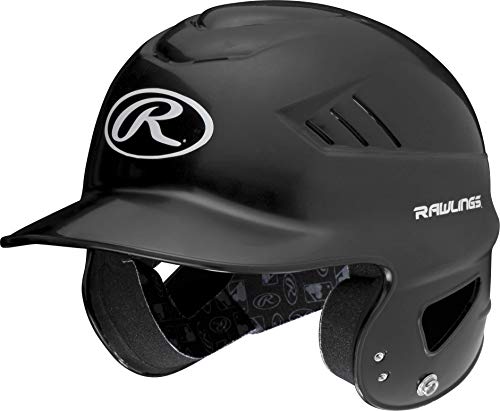 | Rawlings COOLFLO Batting Helmet (One Size Fits Most) | The helmet: vented, NOCSAE-standard, fits 6.5"-7.5" | ~$32 | View → |
 | Under Armour Leadoff Low RM JR 3.0 Cleats | The cleats: molded rubber for feet that grew all summer | ~$30 | View → |
 | Franklin Grow to Pro Youth Batting Gloves | The batting gloves: grip plus sting protection | ~$17 | View → |
 | Rawlings REMIX Youth Backpack Equipment Bag | The bag: bat sleeve, glove pocket, fence hook | ~$25 | View → |
 | TELALEO Youth Fleece-Lined Thermal Baselayer | The fall secret: a warm layer UNDER the jersey | ~$15 | View → |
 | HotHands Hand Warmers (10 Pairs) | The dugout morale kit for cold morning games | ~$7 | View → |
 | DYSANKY 1-Gallon Insulated Water Jug | The hydration that survives September doubleheaders | ~$34 | View → |
*Prices at time of writing — they move; check the listing.
Rawlings Players Series 11.5" Youth Glove
~$31
First item in the bag and the one to size-check first: does last spring's glove still close cleanly on this fall's hand? If it's time to move up, the Players Series 11.5" is the broad-range value answer for ages 8-12, light, forgiving, and $31. The real sizing rule is by age: roughly 10.5"-11" for 8U, 11"-11.5" for 12U.
Right-hand throw listing; a "right-hand throw" glove goes on the LEFT hand, the most common ordering mistake in youth baseball.
- 11.5" covers the widest 8-12 range
- Light and game-ready, no break-in
- The proven $31 value glove
- Easy fall size-up
- Not the precise size for every age (see deep dives)
- Synthetic build, not leather
- Confirm throwing hand before ordering
Easton MOXIE USA Bat (-12, 27")
~$65
The bat is the most age-specific item on this list, so treat this pick as the example, not the answer: the MOXIE 27" -12 is our value pick for 8U, light enough to swing fast and USA-stamped for rec leagues. The two numbers that matter are length and drop, and they change every couple of seasons: 26"-28" at -11/-12 for 8U, 28"-30" at -10/-11 for 10U, 30"-32" at -10 to -8 for 12U.
Fall note: fall leagues usually follow the same bat rules as spring, but all-star and travel fall teams sometimes switch sanctioning bodies, so ask the coach which stamp before you spend bat money.
- Light -12 swings fast at 8U
- USA stamp covers most rec leagues
- Proven value at about $65
- The age guides cover every size up
- This size fits 8U only, size by age
- USA only, not for USSSA leagues
- Confirm the required stamp with the coach
Rawlings COOLFLO Batting Helmet (One Size Fits Most)
~$32
Every league requires a helmet, most leagues have a bin of sweaty loaners, and $32 buys your kid their own. The COOLFLO is the standard youth answer: vented shell, one-size-fits-most sizing that covers roughly 6.5"-7.5" hat sizes (most 8U-12U heads), and Rawlings' ubiquitous fit. A helmet should sit level, not rock front-to-back, and not spin when they shake their head.
If your league or player wants a face guard, Rawlings sells COOLFLO-compatible guards that bolt on; check the league rules, as some fall leagues require them for younger divisions. Buy the helmet a size that fits now; helmets are not a grow-into item.
- Own helmet beats the loaner bin
- Vented for hot September afternoons
- OSFM covers most 8U-12U heads
- Face-guard compatible if required
- Very small heads may need the T-ball size
- OSFM fit is approximate, check hat size
- Add the guard separately if required
Under Armour Leadoff Low RM JR 3.0 Cleats
~$30
Cleats are the most common September emergency because feet grow a size over summer, and the value answer is the Leadoff RM JR: a real molded cleat from a major brand at $30, which is the right spend on a foot that will do it again by spring. Molded rubber is the rule below roughly 13U (metal is illegal in most youth leagues), so don't overthink the metal question.
- $30 solves the September foot growth
- Molded is legal in every youth league
- True-to-size junior fit
- Major-brand build at the value price
- Flagship models cushion better (see the guide)
- One-season lifespan is normal
- Per-size listings, pick the size on the page
Franklin Grow to Pro Youth Batting Gloves
~$17
Batting gloves stop being optional in fall: cold hands sting badly on mishits, and a $17 pair of Franklins fixes both the sting and the slippery-bat problem of dewy October mornings. Franklin owns the youth batting-glove category for a reason, durable palms, real sizes for small hands, and easy velcro kids can manage with a helmet on.
Keep them clipped to the bag so they can't be forgotten, and on truly cold mornings they layer under the hand warmers below. That combination is the difference between a kid who wants to hit in October and one who doesn't.
- Kills the cold-morning bat sting
- Real youth sizing for small hands
- Durable Franklin palms
- $17 easy add to the bag
- Kids lose them (clip them to the bag)
- Sized youth, check the size chart
- Thin gloves alone won't beat real cold
Rawlings REMIX Youth Backpack Equipment Bag
~$25
Everything above needs to get to the field in something, and the REMIX is the right-sized youth answer at $25: bat sleeve, room for glove, helmet, and cleats, and a fence hook so the bag hangs in the dugout instead of living in the mud. A youth bag a kid can carry themselves beats a giant catcher-sized bag a parent ends up hauling.
Fall addition: keep the cold-weather kit (baselayer, warmers, beanie) zipped in the front pocket all season so it's simply always there. Bigger players with more gear can step up to the wheeled options in our bat backpack guide.
- Right size for a kid to self-carry
- Bat sleeve plus fence hook
- Room for the whole checklist
- $25 for the whole organization problem
- Catchers need a bigger bag
- One bat sleeve
- Simple materials at this price
TELALEO Youth Fleece-Lined Thermal Baselayer
~$15
Here's the item spring parents don't own: a fleece-lined compression long-sleeve that goes under the jersey, because players can't wear jackets in the field and October games start at 8am. One $15 fleece-lined baselayer does more for a cold game than any hoodie in the stands, it moves with the swing, keeps the core warm, and the league uniform still fits over it.
Buy two so one surviving the wash isn't a game-morning crisis. Sized youth; check the size chart on the listing.
- Fleece-lined warmth under the uniform
- Free arm movement for throwing/hitting
- About $15, buy two
- The single best fall-only purchase
- Youth sizing runs snug, check the chart
- Thin enough that deep cold needs the warmers too
- Dark colors may clash with uniform rules
HotHands Hand Warmers (10 Pairs)
~$7
Seven dollars of air-activated morale: a HotHands packet in each back pocket between innings keeps hitting hands alive, and the box of ten pairs lives in the bag all fall. Every veteran cold-weather baseball family runs the same play: crack two packets before the first pitch, pockets between at-bats, and suddenly the 45-degree morning game is just a game.
They're single-use, last 8-plus hours, and also fix cold-parent-in-a-camp-chair syndrome, so grab a pair for yourself. For genuinely freezing late-fall tournaments, the sideline propane heater in our tournament gear guide is the nuclear option.
- Instant warm hands between innings
- 10 pairs covers the season
- About $7, zero-risk buy
- Works for players and bleacher parents
- Single-use packets
- Not allowed in the batting gloves during play
- Deep cold needs layers too
DYSANKY 1-Gallon Insulated Water Jug
~$34
Fall ball starts in August-September heat and ends in November cold, and one insulated gallon jug covers the whole arc: ice water for the 95-degree opening weekend, warm liquids for the frozen finale. A gallon means no mid-doubleheader refill runs, and stainless insulation means it's still cold at game two.
Label it, because every dugout ends up with four identical jugs. This is the same jug from our tournament sideline kit, where the rest of the parent comfort arsenal (canopy, wagon, chairs) lives.
- Gallon lasts a full doubleheader
- Insulated for hot AND cold seasons
- Stainless build survives dugout life
- No concession-stand water runs
- Heavy when full for small kids
- Pricier than a plastic jug
- Label it or lose it
Why fall ball has its own checklist
Three things make fall different from spring. First, everything got smaller over summer: kids grow a shoe size and a glove size between May and September, so the audit matters more than the shopping. Second, the weather runs backward: the season opens in late-summer heat and closes in near-winter cold, which is why the layers and warmers are on the list at all. Third, the stakes are lower: fall is the development season, which makes it the right time for break-in projects (a new leather glove) and experiments (trying catcher, moving up a bat size) that would be risky in the spring standings.
The one-line version: size-check everything in August, add the cold kit, and use the low stakes to break in what spring will need.
The checklist at a glance (print this)
Every slot, the verified value pick above, and where the age-specific homework lives:
| Item | Value pick | Deep dive |
|---|---|---|
| Glove | Rawlings Players 11.5" (~$31) | 8U · 12U · all ages |
| Bat | Easton MOXIE -12 (~$65) | 8U · 10U · 12U |
| Helmet | Rawlings COOLFLO OSFM (~$32) | fits ~6.5"-7.5" hat sizes |
| Cleats | UA Leadoff RM JR (~$30) | youth cleats guide |
| Batting gloves | Franklin Grow to Pro (~$17) | size youth S-L by hand |
| Bag | Rawlings REMIX (~$25) | bat backpack guide |
| Cold layers | TELALEO baselayer (~$15) + HotHands (~$7) | see the cold-weather playbook below |
| Hydration | DYSANKY gallon jug (~$34) | tournament kit |
Positions add gear on top: catchers need the full protective set (youth catcher's gear and the 10U/12U mitt guides), and a regular first baseman is better off with a first base mitt.
The cold-weather playbook
The formula that keeps a player effective (and willing) in a 45-degree game, from families who play October ball every year:
- Baselayer under the jersey, fleece-lined, snug, arms free. This is 70 percent of the fix.
- Hand warmers in the back pockets between innings and at-bats. Not inside the batting gloves during play.
- Batting gloves every at-bat: cold-bat sting off the handle is real, and it teaches flinching.
- A beanie for the dugout, helmet for the plate. Ears go first.
- Warm drink in the insulated jug for November games; hot chocolate has won more youth baseball arguments than any pep talk.
For the parents: the canopy, chairs, and the legendary propane heater live in the tournament sideline kit.
What NOT to buy for fall
Fall gear mistakes come from treating it like spring. Skip: metal cleats (illegal below roughly 13U everywhere that matters); oversized "grow into it" gloves and bats (they cost outs now and teach bad habits, size for today); a premium bat for a kid mid-growth-spurt (fall is for confirming the next size with a value bat, spring is for the upgrade); and a jacket to field in (leagues want the jersey visible, the baselayer is the answer). If budget forces choices, spend on fit, glove and cleats first, and economize on everything else; a $30 cleat that fits beats a $60 cleat a size off every single game.
Fall is also the season to fix the dugout
One more fall-ball upgrade that isn't in the bag: how your team calls pitches. Fall is when coaches experiment, and electronic pitch calling is the experiment worth running, the coach taps a pitch on a phone and the catcher hears it instantly in an earpiece, no stolen signs, faster innings. Our guides to electronic pitch calling and catcher headsets cover the whole setup, including the $15 headset hack teams run with the MAVTRAX app.
FAQ
What gear does a kid need for fall baseball?
Seven things: a correctly sized glove, a league-legal bat at the right length and drop for their age, a batting helmet, molded rubber cleats, batting gloves, an equipment bag, and cold-weather layers (a fleece-lined baselayer under the jersey plus hand warmers). Catchers add the protective set and a catcher's mitt.
How much does youth fall ball gear cost?
About $250 for the complete kit using verified value picks: glove ~$31, bat ~$65, helmet ~$32, cleats ~$30, batting gloves ~$17, bag ~$25, baselayer ~$15, hand warmers ~$7, and an insulated jug ~$34. Reuse whatever still fits from spring and it drops fast.
What do baseball players wear in cold weather?
A fleece-lined compression baselayer under the jersey (not a jacket over it), batting gloves every at-bat, hand warmers in the back pockets between innings, and a beanie in the dugout. Most leagues require the jersey visible, so warmth goes underneath.
Should I buy new cleats for fall ball?
Check first, but probably: kids commonly grow half a size to a size over summer, and cleats that ended spring snug will not fit in September. Fit with a thumb's width of toe room in the afternoon with baseball socks. Molded rubber only below about 13U.
Is fall ball worth it for youth players?
For most kids, yes: it's the low-pressure development season with more position experimentation, more live reps, and less standings stress. It's also the practical window to break in a new leather glove and confirm next season's bat size before the spring gear investment.
Do fall leagues use the same bat rules as spring?
Usually, but confirm with the coach before buying: rec fall leagues generally keep the same stamp (USA Baseball for most), while fall travel and all-star teams sometimes play under USSSA sanctioning instead. A bat legal in one is not legal in the other, so ask first.
We're the team behind MAVTRAX — pitch-calling software used by baseball and softball teams from 9U travel ball up. We spend our days around dugouts, gear bags and tournament weekends. Picks are chosen on specs, durability for youth-sports abuse, real-world price, and owner feedback — not on who pays the highest commission. Full criteria on how we pick.