The Backyard Baseball Training Setup (2026): A Plan for Every Yard Size
The families whose kids improve fastest aren't the ones with the most lessons; they're the ones where reps are twenty steps from the back door. This is the master plan for building a backyard training setup at any budget and any yard size, from a $150 patio station to a full cage-and-mound build, with every piece linked to its verified deep-dive guide.
In this guide · 9 sections
Quick picks
Our top recommendations — full reviews below.

The turf floor that saves the lawn and fixes the stance
~$110 price and availability on Amazon
View on Amazon →Key takeaways
- Build in tiers, not all at once: tee and net first ($105+), machine or mound second, cage last. Each tier earns the next by getting used.
- The starter station is a tee, a 7x7 net, and a bucket of balls, and it fits a 15 ft x 12 ft corner: see the tee guide and net guide for the verified picks.
- Match the big purchase to the player: hitters grow into a pitching machine and cage; pitchers into a portable mound.
- The three pieces below (turf mat, ball bucket, soft practice balls) are the unglamorous glue that makes every other purchase get used more.
- Twenty minutes after dinner beats two hours on Saturday. The whole point of the backyard is removing the friction between "should practice" and "is practicing."
- Gearing up for the season too? The fall ball gear checklist covers the game-day bag this page deliberately skips.
A backyard baseball training setup is built in three tiers: a hitting station (tee, net, balls) that fits any yard for about $150, a delivery tier (pitching machine for hitters, portable mound for pitchers) around $130 to $250, and a containment tier (the batting cage) when volume justifies it. Buy in that order and every dollar gets used; buy a cage first and it becomes the world's most expensive clothesline.
This is the hub for our whole backyard training cluster. The category deep dives carry the verified product picks: batting tees, hitting nets and L screens, pitching machines, portable mounds, batting cages, and the seven training aids that actually get used. What lives on this page: the plan that ties them together, sized to your actual yard, plus the three unglamorous items every setup needs and no other guide covers.
At a glance
| Pick | Best for | Price* | ||
|---|---|---|---|---|
| ZivPlay 12x6 ft Baseball Hitting Mat with Batter's Box | The turf floor that saves the lawn and fixes the stance | ~$110 | View → |
 | Amazon Basics Bucket of Practice Baseballs (24 Count) | The rep multiplier: 24 balls and the bucket to haul them | ~$48 | View → |
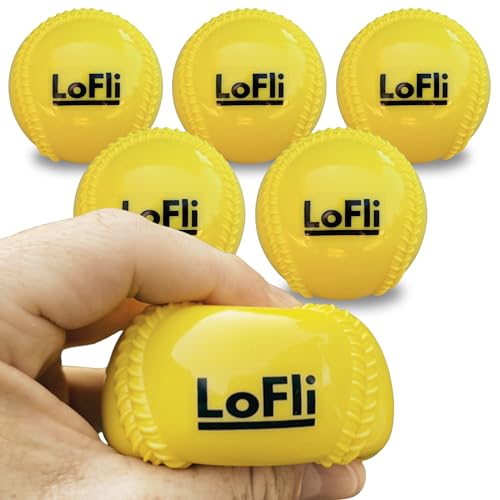 | LoFli Reduced-Flight Practice Baseballs (6 Pack) | Real-feel balls that fly shorter for tight yards and indoors | ~$35 | View → |
*Prices at time of writing — they move; check the listing.
ZivPlay 12x6 ft Baseball Hitting Mat with Batter's Box
~$110
Nobody plans to buy a hitting mat, and then October arrives and the tee station is a mud pit with two shoe-shaped craters where the batter's box used to be grass. The ZivPlay is 12 x 6 ft of turf with a printed home plate and batter's box lines, which quietly does two jobs: the lawn survives daily practice, and the painted box teaches consistent stance width and plate distance every single rep.
It rolls out inside a cage, under a net station, or in a garage bay, and rolls up for winter. At about $110 it's the least exciting purchase in the yard and, by spring, the one you're weirdly grateful for.
- Saves the lawn from daily tee-station wear
- Printed box builds a consistent stance
- Works in cage, net corner, or garage
- Rolls up for storage
- Not cheap for what looks like a rug
- Wants reasonably flat ground
- Heavy to move around wet
Amazon Basics Bucket of Practice Baseballs (24 Count)
~$48
The difference between a 6-ball practice and a 24-ball practice is that one of them is actually practice. With two dozen regulation-size balls, a hitter takes a full round of tee work or a parent feeds a whole soft-toss set before anyone stops to collect, and the bucket doubles as the classic flip-it-over coach's seat for front toss.
These are practice-grade balls at $2 apiece, which is exactly right for backyard duty: they'll scuff, get grass-stained, occasionally meet a fence, and none of it matters. Save the pearl-white game balls for games; fill the bucket with these and never count balls mid-session again.
- 24 balls turns sessions into real volume
- Bucket doubles as the soft-toss seat
- Practice-grade price for backyard abuse
- Regulation size and weight for real reps
- Practice grade, not game-ball feel
- Full bucket is heavy for the youngest kids
- Leather scuffs with net and turf use
LoFli Reduced-Flight Practice Baseballs (6 Pack)
~$35
Reduced-flight balls are the cheat code for yards that can't absorb full ball flight: regulation size and weight, so the swing and the contact feel are honest, but engineered to fly a fraction of the distance. That means live soft toss in a modest yard, winter hitting in a garage, and drills that would otherwise be a broken-window lottery.
At about $35 for six, they're the priciest balls per unit here, and worth it for exactly the situations above. Families with a full cage can skip them; everyone else will use them more than expected, especially from November to February.
- Real size and weight, honest contact feel
- Flies short: safe for tight yards and garages
- Keeps winter hitting alive indoors
- Soft enough for young soft-toss feeders
- About $6 per ball
- Six balls is a small set for tee rounds
- Unnecessary if you own a full cage
The three tiers (and the order that works)
Every good backyard setup we've seen was built in the same order, because each tier proves the next one will get used:
| Tier | What it is | Cost | The deep dive |
|---|---|---|---|
| 1. The station | Tee + 7x7 net + bucket of balls | ~$150-$215 | tees · nets |
| 2. The delivery | Pitching machine (hitters) or portable mound (pitchers) | ~$80-$250 | machines · mounds |
| 3. The container | Batting cage, sized to the yard | ~$88-$900 | cages |
Tier 1 fits every yard and budget and delivers the most improvement per dollar in baseball. Tier 2 is where the setup specializes to your player. Tier 3 is a volume purchase: buy it when the station is getting used 4-plus days a week and mishits or ball-chasing have become the bottleneck.
The plan by yard size
Patio, driveway, or apartment-adjacent: tee, net, reduced-flight balls, and the hitting mat if the surface is concrete. A 7x7 net fits a 15 x 12 ft corner; the small freestanding cage bay from the cage guide is the upgrade if containment matters. Total: about $150 to $250.
Standard suburban backyard: the full station plus the delivery tier: a soft-toss or wheel machine for hitters, a drill mound for pitchers, and the L screen the moment anyone throws live. A 30 ft cage fits many of these yards (measure: 35 x 15 ft clear) and turns the whole thing into a daily facility. Total: $300 to $600 built over a year or two.
Big yard, committed player: the 30-40 ft cage as the spine, machine feeding through the port, full-length game-height mound on its own lane at the division's real distance (use the distance chart), and a pocket radar keeping honest numbers. This is the setup that replaces facility memberships entirely.
The skill gear that plugs into any setup
The hardware above is the venue; the skill tools are what run inside it, and they're already covered across our training cluster: the swing trainers, weighted balls, agility kit, and pitchback rebounder in the seven training aids that actually get used, the blocking and receiving tools in catcher training equipment, and the windmill-specific gear in the fastpitch training guide for softball siblings. A phone on a cheap tripod filming every session is the free upgrade families skip: slow-motion video plus the printed batter's box lines catches more swing flaws than most paid lessons.
Making it get used (the part gear can't buy)
The graveyard of backyard training is full of good equipment that lost to friction. What the daily-reps families do differently: the station stays assembled (a net that must be set up is a net that won't be), sessions are short and scheduled (20 minutes after dinner, most days, beats a Saturday marathon), the player picks the drill menu from three parent-approved options, and the balls live in the bucket at the station, not in the garage. In season, keep home volume complementary: light tee work on game days, bigger sessions on off days, and for pitchers, home bullpens count against the week's pitch limits like any game.
What this page deliberately skips
Everything here is training infrastructure; the game-day bag is its own list, and it's already written: the fall ball gear checklist covers glove, bat, helmet, cleats, and cold-weather layers with age-specific deep dives. And once the backyard work starts showing up in games, the team-side upgrade is how pitches get called: the MAVTRAX guides to electronic pitch calling and catcher headsets cover the setup travel teams are switching to.
Also worth a look
 Tanner Tee The Original Batting Tee – Adjustable Pro Hitting Tee for BasebalThe pro-standard tee that anchors tier one$99.99 · View on Amazon →
 GoSports Weighted Training Baseballs (2.8")The weighted-ball set from our training aids guide~$20 · View on Amazon →
 Pocket Radar Ball Coach/Not Compatible with Pocket Radar AppThe Pocket Radar that gives backyard work real numbers$299.00 · View on Amazon →
FAQ
What equipment do you need for backyard baseball training?
Start with the hitting station: a batting tee, a 7x7 hitting net, and a bucket of practice balls, about $150 total and it fits a 15 x 12 ft corner. Add a pitching machine or portable pitching mound as the player specializes, and a batting cage last, once daily volume justifies containment.
How much does a backyard baseball setup cost?
About $150 for a complete starter station (tee, net, balls), $300 to $600 for a full setup with a machine or mound and better hardware, and $1,000-plus for a cage-based build with a game-height mound. Built in tiers over a season or two, each purchase proves the next.
Is a backyard setup better than paying for lessons?
They do different jobs: lessons diagnose and teach, the backyard supplies the volume that makes lessons stick. A $150 station used four days a week delivers more swings in a month than a year of weekly 30-minute lessons. The best results come from occasional lessons plus daily backyard reps.
What baseball training can you do in a small yard?
Nearly everything that matters: tee work and soft toss into a 7x7 net, reduced-flight ball drills, pitchback fielding, and drill-mound pitching all fit in roughly 15 x 12 ft. Full ball flight and live BP are the only things a small yard truly gives up; a freestanding cage bay adds containment on a patio or driveway.
How often should a kid practice baseball at home?
Short and frequent wins: 15 to 20 focused minutes, four or five days a week, beats one long weekend session. Keep it player-led enough to stay fun, mix hitting with fielding, and cap pitching volume using the same pitch-count and rest rules leagues enforce in games.
What should I buy first for backyard baseball?
A quality batting tee and a 7x7 hitting net, plus a bucket of balls. The tee is the highest-value training tool in baseball at any level, the net makes it a daily habit instead of a ball hunt, and together they cost about $150. Everything else in the setup builds on that station.
We're the team behind MAVTRAX — pitch-calling software used by baseball and softball teams from 9U travel ball up. We spend our days around dugouts, gear bags and tournament weekends. Picks are chosen on specs, durability for youth-sports abuse, real-world price, and owner feedback — not on who pays the highest commission. Full criteria on how we pick.