Best Softball Bats for High School (2026): 8 Fastpitch Picks for 14 to 18 Year Olds
Most high school softball players need a 32 to 34 inch fastpitch bat with a -10 or -9 drop that carries the USA Softball mark required under NFHS rules, and our #1 pick is the Easton Ghost OG (-9, 33 inch, about $300). Here are 8 fastpitch bats for JV and varsity hitters, from a $70 backup to Easton's top composite, plus a length chart by height and weight and how to confirm the bat is legal for school play.
What fits High School
In this guide · 12 sections
- Helmet headset
- At a glance
- What size softball bat does a high school player need?
- Is my bat legal for high school softball? NFHS and USA Softball marks
- High school softball bats compared
- -10 or -9 for high school?
- How to choose the right high school softball bat
- Composite care: make a $300 bat last
- Coming up from 14U?
- Common high school bat mistakes
- Also worth a look
- FAQ
Quick picks
Our top recommendations, full reviews below.

Best overall high school bat: flagship composite, approved for all fields
~$300 price and availability on Amazon
View on Amazon →Key takeaways
- Size answer: 32 to 34 inches, -10 to -9 drop. Freshmen and smaller hitters usually start at 32 and -10; strong juniors and seniors often swing 33 or 34 at -9.
- #1 pick: Easton Ghost OG (-9, 33 inch, about $300). Easton's flagship composite, and its title states approved for all fields.
- Best value: Louisville Slugger Meta (-9, 32 inch, 2024 model, about $130). A prior-year flagship composite at less than half the current price.
- Budget or backup: Easton Topaz (-10, 33 inch, about $70), approved for all fields per its title. Elite: Easton Ghost Unlimited (-9, about $500).
- Stamp rule: high school softball follows NFHS rules as adopted by each state association, which rely on the USA Softball certification mark and a non-approved list. Confirm with your school before buying.
- -10 vs -9: move to -9 only when she is early with a -10 against varsity pitching. A lighter bat she swings on time beats a heavier one she swings late.
The best softball bat for most high school players is a 32 to 34 inch fastpitch bat with a -10 or -9 drop that is legal under your state's NFHS rules, and our #1 pick is the Easton Ghost OG (-9, 33 inch) at about $300. It is Easton's flagship composite, its Amazon title states approved for all fields, and a 33 inch -9 is the classic varsity fit. For a lower price, the prior-year Louisville Slugger Meta (-9, 32 inch) is about $130, and the alloy Easton Topaz (-10, 33 inch) is about $70.
High school softball is where the bat rules get stricter and the pitching gets much faster. Most players are at or near their adult height, so a bat bought now can last several seasons, which makes a premium composite easier to justify than at any younger age. But the bat also has to pass inspection under your state association's rules, which is why this guide starts every recommendation with the stamp. Every bat below is a fastpitch bat in a high school length and drop, with the exact size we linked.
At a glance
| Pick | Best for | Price* | ||
|---|---|---|---|---|
| Easton Ghost OG Fastpitch Bat (-9, 33 in) | Best overall high school bat: flagship composite, approved for all fields | ~$300 | View → |
 | Louisville Slugger Meta (-9) Fastpitch Bat (32 in) | Best value: a prior-year flagship composite at less than half price | ~$130 | View → |
 | Easton Ghost Double Barrel Fastpitch Bat (-9, 32 in) | Best previous-generation Ghost for a hitter who likes the Ghost feel | ~$250 | View → |
 | DeMarini Prism+ (-10) Fastpitch Bat (33 in) | Best -10 at 33 inches for a tall hitter not ready for -9 | ~$221 | View → |
 | Louisville Slugger Xeno (-9) Fastpitch Bat (32 in) | Best Louisville Slugger two-piece -9 for a power hitter | ~$200 | View → |
 | Rawlings Mantra Fastpitch Bat (-10, 2-Pc Composite, 31 in) | Best for a smaller freshman who needs a 31 inch composite | ~$175 | View → |
 | Easton Topaz Fastpitch Bat (-10, 33 in) | Best budget bat and cold-weather backup, approved for all fields | ~$70 | View → |
 | Easton Ghost Unlimited Fastpitch Bat (-9, 33 in) | Best elite pick: Easton's top-of-line Ghost for a college-bound hitter | ~$500 | View → |
*Prices at time of writing, they move; check the listing.
Easton Ghost OG Fastpitch Bat (-9, 33 in)
~$300
The Ghost line is the most common sight in high school and college dugouts, and the Ghost OG is its current flagship. The linked 2025 listing is 33 inches, -9, and "Approved for All Fields" is in the title. For a varsity hitter at 5 feet 6 inches or taller who is on time with a -10, this is the bat most coaches would hand her.
A composite barrel flexes on contact for more pop and a softer feel on mishits. It needs a short break-in (a few dozen tee swings with real softballs, rotating the barrel), should stay out of very cold weather, and should not be used with heavy dimpled machine balls. Our composite break-in guide has the full routine. Prices vary by length and color.
- Title states approved for all fields
- Flagship composite: most pop and least sting
- 33 inch -9 is the classic varsity size
- Also sold in -10 and -11
- About $300
- Needs a break-in and a cold-weather rule
- -9 is too heavy for many freshmen
Louisville Slugger Meta (-9) Fastpitch Bat (32 in)
~$130
The Meta is Louisville Slugger's flagship two-piece composite, and the linked listing is the 2024 model at 32 inches and 23 ounces, a -9. Prior-year flagships are the best-kept value in high school softball: this one was about $130 when we checked, less than half of what current flagships cost.
A 32 inch -9 suits a strong, compact hitter who wants mass behind the ball without extra length. The title does not list certification marks, so check the barrel in the listing photos and on the bat for the USA Softball mark, and look the model up on your state's non-approved list. Stock on prior-year bats can disappear quickly.
- Prior-year flagship composite, about $130
- 32 inch -9 (23 oz)
- Two-piece feel with less sting
- Best price per performance here
- Title does not list certification marks
- Prior-year stock can sell out
- -9 is heavy for smaller freshmen
Easton Ghost Double Barrel Fastpitch Bat (-9, 32 in)
~$250
The Ghost Double Barrel is an earlier generation of Easton's Ghost line, and the linked listing is 32 inches with a -9 drop. It is still widely available and priced below the current Ghost OG.
At about $250 it is about $50 less than the Ghost OG. Choose it if she already likes the Ghost feel and wants to save a little, or if the OG is sold out in her size. The title does not list certification marks, and older models are the ones most likely to appear on a non-approved list, so check your state association's current list before buying.
- Earlier-generation Ghost line
- 32 inch -9
- About $50 less than the Ghost OG
- Also sold at 33 and 34 inches
- Title does not list certification marks
- Older models need a non-approved list check
- Stock is limited
DeMarini Prism+ (-10) Fastpitch Bat (33 in)
~$221
The Prism+ is one of DeMarini's upper-tier fastpitch bats, and the linked listing is the 2025 model at 33 inches and 23 ounces, a -10. That is the right combination for a tall freshman or sophomore who needs 33 inches of reach but is still a beat late with a -9.
At about $221 it is a prior-year price on an upper-tier bat. Choose it on feel and availability; DeMarini fans will like it. The title does not list certification marks or construction, so check the barrel and your state's non-approved list.
- 33 inch -10 (23 oz)
- Prior-year pricing on an upper-tier bat
- Right for tall hitters not ready for -9
- Also sold at 32 and 34 inches
- Title does not list certification or construction
- Priced above the Meta
- Strong seniors may want -9
Louisville Slugger Xeno (-9) Fastpitch Bat (32 in)
~$200
The Xeno is Louisville Slugger's other top-tier two-piece composite fastpitch line, and the linked listing is the 2025 model at 32 inches and 23 ounces, a -9. It is built for a varsity hitter with a developed swing who is ready for a heavier bat.
At about $200 it sits above the prior-year Meta and below the Ghost OG. The title does not list certification marks, so check the barrel and your state's current list. If she prefers Louisville Slugger's feel and is on time with a -10, this is the natural next bat.
- 32 inch -9 (23 oz)
- Two-piece composite line
- Below Ghost OG pricing
- Also sold in -10
- Title does not list certification marks
- About $70 more than the prior-year Meta
- Too heavy for many freshmen
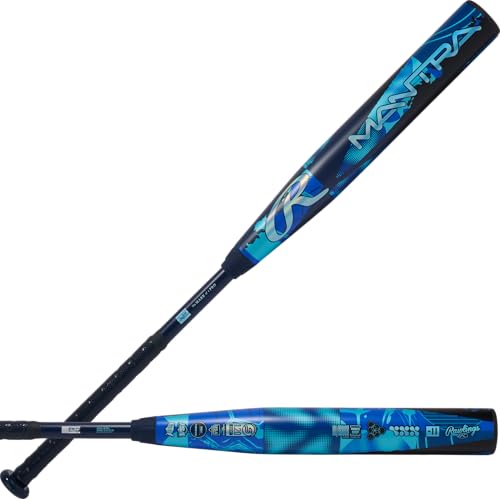
Rawlings Mantra Fastpitch Bat (-10, 2-Pc Composite, 31 in)
~$175
Not every high school player is 5 feet 7 inches. The 2026 Mantra is a two-piece composite, and the linked listing is 31 inches with a -10 drop, both in the title. For a smaller freshman or a compact slap hitter, a 31 inch bat she can control beats a 33 inch bat she cannot.
At about $175 it is a good-value composite. Rawlings also sells it at 32 and 33 inches, so the same model works for a bigger player. The title does not list certification marks, so check the barrel and your state's non-approved list.
- Two-piece composite with less sting
- 31 inch -10 for smaller hitters
- Good price for a composite
- Also sold at 32 and 33 inches
- Title does not list certification marks
- 31 inches is short for most varsity hitters
- Composite care needed
Easton Topaz Fastpitch Bat (-10, 33 in)
~$70
The Topaz is Easton's entry-level -10 fastpitch bat, and the linked listing is 33 inches with "Approved for All Fields" in the title. For about $70 it covers the size and the stamp question for a JV player, a first-year player, or anyone who needs a bat for a February practice in the cold.
It is alloy: no break-in and no worries in cold weather, which is exactly why many varsity players keep one as a backup to protect their composite. It will not match a composite's pop, but as a first high school bat or a second bat, it is very good value.
- Title states approved for all fields
- 33 inch -10
- About $70
- Alloy handles cold weather
- Less pop than a composite
- Entry-level feel
- Strong varsity hitters will want more
Easton Ghost Unlimited Fastpitch Bat (-9, 33 in)
~$500
The Ghost Unlimited is Easton's top-of-line fastpitch bat, and the linked 2026 listing is 33 inches, -9, with "Approved for All Fields" in the title. It is the bat for a college-bound varsity hitter who wants the newest Ghost.
At about $500 it is by far the most expensive bat here. For most high school players, the Ghost OG delivers nearly everything for about $200 less. Buy the Unlimited only if she is a committed, fully grown hitter who will swing it for several seasons. Give it the same break-in and cold-weather care as any composite.
- Title states approved for all fields
- Easton's top-of-line Ghost
- 33 inch -9 for a strong varsity hitter
- Also sold in -10
- About $500
- Small gain over the Ghost OG for most players
- Composite care needed
What size softball bat does a high school player need?
Most high school softball players need a 32 to 34 inch fastpitch bat with a -10 or -9 drop. Freshmen and smaller hitters usually start at 32 inches and -10. Most varsity players swing 33 inches, and strong upperclassmen often move to -9. A few very strong seniors use -8, but that is uncommon.
| Height | Weight | Bat length | Drop |
|---|---|---|---|
| 5'1" to 5'4" | 100 to 140 lb | 31" to 32" | -10 to -11 |
| 5'5" to 5'8" | 120 to 160 lb | 32" to 33" | -10 |
| 5'9" to 6'0" | 140 to 180 lb | 33" to 34" | -9 to -10 |
| 6'1" and up | 160 lb and up | 34" | -9 |
If the rows disagree, take the shorter length and the lighter drop, then confirm with the fit tests below. Our bat drop explainer covers the math, and our bat size guide uses the same fit tests.
Is my bat legal for high school softball? NFHS and USA Softball marks
High school softball in most states is played under NFHS rules as adopted by each state association, and those rules rely on the USA Softball certification mark plus a list of non-approved bats. In practice, that means three checks before you buy:
- Find the USA Softball certification mark on the barrel or taper, in the listing photos or on the bat itself. Bats sold as "approved for all fields" usually carry it along with USSSA, NSA and ISA marks, and some manufacturers also list NFHS among a bat's approvals.
- Check the non-approved list. USA Softball publishes a list of bats that are no longer allowed even though they carry a mark. Older and discontinued models are the most likely to be on it.
- Ask the coach or athletic director which rule your state association uses this season. State adoptions and interpretations vary.
What about ASA? USA Softball was the Amateur Softball Association (ASA) until 2016. A hand-me-down bat with only an old ASA mark may not meet current rules, so check before relying on it.
Three linked bats above (the Ghost OG, Topaz and Ghost Unlimited) state "approved for all fields" in their Amazon titles. For the others, check the marks yourself. Rules change between seasons; the school's current rule is the only one that counts.
High school softball bats compared
All eight are fastpitch bats with the standard 2 1/4 inch barrel. Length and drop are for the linked listing; every model is sold in other sizes.
| Bat | Linked length | Drop | Title says all fields? | Price |
|---|---|---|---|---|
| Easton Ghost OG | 33" | -9 | Yes | ~$300 |
| Louisville Slugger Meta (2024) | 32" / 23 oz | -9 | Not stated | ~$130 |
| Easton Ghost Double Barrel | 32" | -9 | Not stated | ~$250 |
| DeMarini Prism+ (2025) | 33" / 23 oz | -10 | Not stated | ~$221 |
| Louisville Slugger Xeno (2025) | 32" / 23 oz | -9 | Not stated | ~$200 |
| Rawlings Mantra | 31" | -10 | Not stated | ~$175 |
| Easton Topaz | 33" | -10 | Yes | ~$70 |
| Easton Ghost Unlimited | 33" | -9 | Yes | ~$500 |
"Not stated" means the Amazon title does not list certifications, not that the bat is illegal. Check the barrel. Prices are Amazon at time of writing for the linked length and move with length and model year.
-10 or -9 for high school?
Start at -10 and move to -9 only when she is on time or early with a -10 against varsity pitching. Drop is length minus weight, so a 33 inch -10 weighs 23 ounces and a 33 inch -9 weighs 24. Varsity pitchers throw hard and move the ball, and one extra ounce that makes her a fraction late costs more than it adds.
| Player | Typical bat | Our picks |
|---|---|---|
| Smaller freshman or slapper | 31" to 32", -10 | Mantra, Topaz |
| Average JV or varsity hitter | 32" to 33", -10 | Prism+, Topaz, Ghost OG in -10 |
| Strong varsity hitter, on time with -10 | 33", -9 | Ghost OG, Meta, Xeno |
| College-bound power hitter | 33" to 34", -9 | Ghost Unlimited, Ghost OG |
How to choose the right high school softball bat
- Confirm the school's bat rule and check the non-approved list. Then confirm travel team rules if she plays summer ball.
- Pick the length from height and weight, then confirm with the fit tests: knob to mid-palm standing next to her leg, and a 10-second arm hold without the barrel sagging.
- Pick the drop from how she handles varsity pitching.
- Pick the build. A two-piece or flagship composite for the game bat (Ghost OG, Meta), plus an alloy backup (Topaz) for cold games.
- Buy for several seasons if she is done growing. This is the first age where a premium bat usually pays off.
Round out her kit with a fastpitch batting helmet with a face guard, softball batting gloves and a bat backpack that protects a composite barrel.
Composite care: make a $300 bat last
- Break it in. A few dozen swings off a tee with real softballs at partial effort, rotating the barrel a quarter turn each time, before live pitching.
- Respect the cold. Many manufacturers warn against using composite bats in cold weather, often around 60 degrees and below. Use the alloy backup instead.
- No heavy machine balls. Dimpled or heavy pitching-machine balls are hard on composite barrels.
- Do not share it with the team. Every extra hitter adds hundreds of swings.
- Keep the receipt and warranty info. Composite bats often carry a manufacturer warranty; read its terms.
Our composite break-in guide and composite vs alloy guide go deeper.
Coming up from 14U?
If she is a freshman still under about 5 feet 5 inches, a 14U-size bat (31 to 33 inches, -10 or -11) may still be the right fit, as long as it carries the mark your state requires. Our best softball bat for 14U guide has those picks. For younger players, see our youth fastpitch bat roundup.
Coaching a high school staff? Our free app lets a coach call pitches to the catcher through a helmet headset; see the free pitch calling app guide and our softball pitch calling guide.
Common high school bat mistakes
- Buying a bat before checking the state rule and the non-approved list.
- Jumping to -9 because it is the "varsity" drop. Plenty of varsity hitters swing -10.
- Swinging a composite in February cold. That is how barrels crack.
- Buying a slowpitch bat by mistake. Slowpitch bats are a different game; look for "fastpitch" and the 2 1/4 inch barrel.
- Assuming a used bat is legal. Old ASA-only marks and discontinued models need a check.
Also worth a look
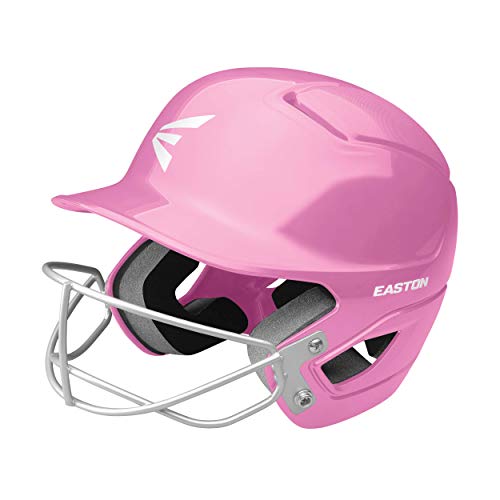 Easton ALPHA Fastpitch Helmet w/ FacemaskFastpitch batting helmet with face guard~$53 · View on Amazon →
 Franklin CFX Pro Batting Gloves (Adult + Youth)Batting gloves for high school players~$36 · View on Amazon →
FAQ
What size softball bat for a high school player?
Most high school players swing a 32 to 34 inch fastpitch bat with a -10 or -9 drop. Freshmen and smaller hitters usually start at 32 inches and -10, and strong varsity hitters often swing 33 inches at -9.
What size softball bat for a 15 year old?
Most 15 year olds swing a 32 or 33 inch fastpitch bat with a -10 drop. Move to -9 only if she is on time or early with a -10 against high school pitching.
What is the best softball bat for high school?
Our #1 pick is the Easton Ghost OG (-9, 33 inch, about $300), which its title lists as approved for all fields. The prior-year Louisville Slugger Meta (-9, about $130) is the best value, and the Easton Topaz (-10, about $70) is the best budget bat or backup.
What bats are legal for high school softball?
In most states, high school softball follows NFHS rules as adopted by the state association, which rely on the USA Softball certification mark and a list of non-approved bats. Check the bat for the USA Softball mark, check the non-approved list, and confirm your state's current rule with the coach.
Do high school softball bats need an NFHS stamp?
The key mark under NFHS rules is typically the USA Softball certification mark, and some manufacturers also list NFHS among a bat's approvals. Rules vary by state and season, so confirm with your school's coach or athletic director.
Should a high school softball player use a -10 or -9?
Start at -10. Move to -9 when she is on time or early with a -10 against varsity pitching. Many varsity hitters swing -10 successfully.
Is a 34 inch bat too long for high school softball?
For a tall player, about 5 feet 9 inches or more, 34 inches can fit. Most high school hitters are best at 32 or 33 inches.
Can I use an old ASA bat in high school softball?
Possibly not. USA Softball was formerly ASA, and whether an older ASA-only bat is legal depends on current rules and the non-approved list. Check before using it in a game.
How much should I spend on a high school softball bat?
About $70 buys a legal alloy bat, prior-year flagship composites run about $130 to $250, and current flagships run about $300 to $500. For a fully grown varsity hitter, a composite that lasts several seasons is usually worth it.
We're the team behind MAVTRAX, a free pitch-calling app. This is a research guide: picks are chosen on manufacturer specs, league rules, build quality and real-world price, checked against live listings, not on who pays the highest commission. We haven't hands-on tested every product. Full criteria on how we pick.