How to Install a Bluetooth Headset in a Catcher's Helmet (the 1-Minute Hack)
The best pitch-calling audio setup in baseball costs about $15 and takes one minute to install: a motorcycle-helmet Bluetooth headset velcroed inside the catcher's helmet. Because the speaker becomes part of the helmet, it stays put through every helmet rip. Here's the exact install, step by step.
In this guide · 9 sections
Quick picks
Our top recommendations, full reviews below.

Best unit for the install, thin, waterproof, cheap
~$15 price and availability on Amazon
View on Amazon →Key takeaways
- Mount the headset in the helmet, not on the player. Anything worn on the ear flies out or needs re-seating when the catcher rips the helmet off, a speaker wired into the helmet just rides along.
- Use a motorcycle-helmet Bluetooth headset (~$15). They're designed for exactly this: thin velcro-backed speaker pods, weatherproofing, all-day battery, glove-friendly buttons.
- The basic install takes about one minute: stick the pod inside the ear flap, tuck the wire behind the padding, mount the control unit on the shell.
- Install one ear only. The catcher hears the call in one ear and the umpire, pitcher, and play with the other.
- Pair once at home, never at the field. Rename the headset in the phone's Bluetooth menu (HELMET 1) so the coach can verify the connection before the first pitch.
- Wire the backup helmet too. At ~$15 a unit, every game helmet on the rack can carry the call, a helmet swap never takes your calls offline.
Here's the whole trick: motorcycle Bluetooth headsets are built to be installed inside a helmet, thin, flat speaker pods with velcro backing, made to slide between a helmet shell and its padding. A catcher's helmet has the same anatomy. Velcro one pod inside the ear flap, tuck the wire, and you've hard-wired game audio into the helmet itself for about $15.
Why this beats every wearable option: catchers rip the helmet off constantly, every pop-up, every mound visit, every between-innings breather. An earbud gets yanked out with it. A headband needs re-seating. A clip speaker ends up in the grass. A speaker that's part of the helmet? It goes wherever the helmet goes and it's already in position when the helmet goes back on. Below is the exact install we run, what to buy, and the game-day routine that makes it bulletproof.
At a glance
| Pick | Best for | Price* | ||
|---|---|---|---|---|
| Motorcycle-Helmet Bluetooth Speakers (IPX7) | Best unit for the install, thin, waterproof, cheap | ~$15 | View → |
 | ELIKIDSTO Motorcycle Helmet Speakers | Best second unit, wire the backup helmet | ~$15 | View → |
 | Fodsports FX-S Slim Moto Headset | Best step-up, all-day battery, cleaner hardware | ~$41 | View → |
*Prices at time of writing, they move; check the listing.
Motorcycle-Helmet Bluetooth Speakers (IPX7)
~$15
The unit we install most: thin IPX7-waterproof pods that disappear inside the ear flap, voice-clear audio, and a price that makes wiring multiple helmets a non-decision. The velcro backing grips helmet padding firmly, ours have survived full seasons of helmet rips without re-sticking.
- Thin pods sit flush under the ear flap
- IPX7, sweat and rain proof
- Cheap enough to wire every helmet
- Voice-clear at half volume
- Voice-grade audio, not music-grade
- Generic brand, inspect stitching on arrival
ELIKIDSTO Motorcycle Helmet Speakers
~$15
Same class of unit, same install, this is the one you buy for the backup helmet so a mid-game swap never interrupts pitch calls. Pair it to the same coach's phone at home and label it HELMET 2.
- One-minute install, identical process
- Keeps the backup helmet call-ready
- Physical buttons usable with a mitt
- Voice-grade audio
- Wire needs a careful tuck on small shells
Fodsports FX-S Slim Moto Headset
~$41
The install-once-forget-it version: slimmer pods, tidier harness, and motorcycle-touring battery life that makes a full tournament Saturday on one charge routine. If the $15 units are how you prove the hack, this is what the primary helmet wears all season.
- All-day battery designed for long rides
- Slimmer pods, cleaner permanent install
- Big tactile controls
- ~3× the budget units
- More than rec ball strictly needs
Why a motorcycle headset (and not earbuds, headbands, or clips)
The catcher's helmet comes off dozens of times a game, and that motion is where every wearable option fails:
| Setup | What happens on a helmet rip | Re-setup before next pitch? |
|---|---|---|
| Earbud in the canal | Yanked out or left dangling | Yes, every time |
| Headband / bone conduction | Shifts or comes off with the lid | Usually |
| Clip-on speaker (worn on player) | Ends up in the grass eventually | Yes |
| Moto headset wired into the helmet | Rides with the helmet, intact | Never |
Mount the headset in the helmet, not on the player, that's the rule. Motorcycle units exist because riders needed exactly this: audio that lives inside a helmet, survives weather and vibration, runs all day, and adjusts with gloves on. A catcher's Saturday is light duty by comparison.
What you need (about $15 and 10 minutes total)
- A motorcycle-helmet Bluetooth headset, any of the three above. You want the style with wired velcro speaker pods + a small control unit, not clip-on or boom-mic styles.
- The catcher's helmet, hockey-style one-piece or a traditional two-piece with ear flaps both work; the pod mounts inside the ear flap either way.
- A phone for one-time pairing. That's it, no tools, no drilling, nothing permanent that can't peel off.
The physical install is about a minute. The 10-minute total is pairing, renaming, a volume check, and doing it right the first time.
The install, step by step
- Position the speaker pod. Peel the velcro backing and stick one pod inside the ear flap, centered over the ear hole. Press firmly for a few seconds. One ear only, the other stays open for the field.
- Tuck the wire. Route it behind the padding/liner so nothing dangles. On hockey-style lids it vanishes behind the cheek pad.
- Mount the control unit low on the shell's jaw side, clear of mask straps. The buttons are glove-sized by design.
- Pair once, at home, with no other Bluetooth devices around. Rename it, "HELMET 1", so the coach can confirm connection at a glance forever after.
- Test at half volume. Tap a pitch in your calling app; a clear spoken call at ~50% volume is the target. Half volume also roughly doubles real-world battery.
Game-day routine + troubleshooting
The 30-second pregame: power the headset on before warmups, glance at the phone's Bluetooth menu for HELMET 1, tap one test pitch. Done.
If it rattles: the wire isn't fully tucked, re-route it behind the liner. If volume drifts low: a mitt bumped the control unit; that's why it mounts on the jaw side, away from straps. If it won't reconnect: another paired device (a parent's car is the classic) grabbed it, that's why you pair at home with nothing else around and rename the unit. After a soaked game: pull the helmet's padding open and let everything air-dry overnight; IPX7 units shrug off the game itself.
Battery discipline: charge every headset the night before a tournament, and keep a gear-bag power bank for insurance. At half volume, the cheap units cover a doubleheader; the Fodsports covers the weekend.
Does this work with any pitch-calling app?
Yes, the helmet just becomes a Bluetooth speaker, so it works with anything that plays audio. It's the setup we designed MAVTRAX around: the coach taps the pitch and location on the phone, and the spoken call lands in the wired-in speaker in under a second, fully offline once loaded. Pair the helmet once, grab the app, it's completely free, and you're calling pitches tonight.
Full headset rankings, every pick a motorcycle-style helmet-mount unit, from $15 to pro-shop Cardo and Sena: The 10 best Bluetooth headsets for a catcher's helmet →
Also worth a look
 20,000mAh Power Bank (22.5W)Tournament insurance, recharges the helmet headset and the calling phone between games.~$27 · View on Amazon →
 Hockey-Style Catcher's HelmetStarting fresh? A hockey-style lid with roomy ear flaps makes the cleanest install.~$92 · View on Amazon →
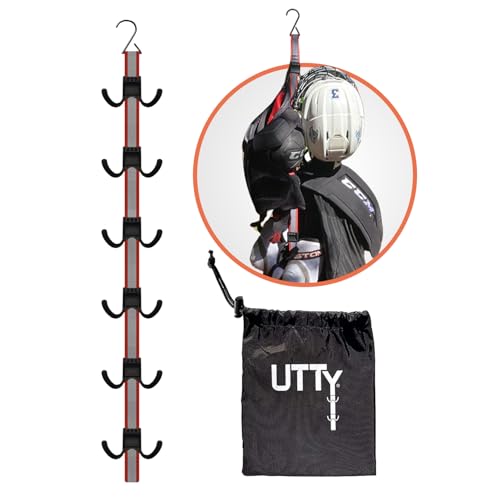 UTTY Portable Gear Drying RackSweat is the long-term enemy of helmet electronics, dry the lid (pods installed) overnight.~$30 · View on Amazon →
FAQ
Will the speaker pod fit under a snug helmet?
Yes, that's the point of motorcycle units: the pods are built thin specifically to sit between a helmet shell and its padding without pressure points. Centered over the ear hole, most catchers can't feel it once the helmet is on.
Does installing a speaker damage the helmet?
No. The velcro sticks to the padding/liner surface and peels off cleanly, no drilling, no permanent modification. If you sell or hand down the helmet, pull the pods and the helmet is stock again.
One ear or both ears?
One. The catcher needs the other ear for the umpire's count, the pitcher, and the play behind them. Moto kits ship with two pods, use the second one for the backup helmet instead.
Is a wired-in speaker legal for games?
One-way coach-to-catcher audio is now permitted in many high school and travel organizations, but rules vary by league and season, confirm with your governing body before game use. The install itself is identical either way; some teams run it for bullpens and practice only.
How is this different from a hardware kit's earpiece?
The hardware kit® uses its own proprietary receiver worn on the player. This hack wires a standard ~$15 Bluetooth speaker into the helmet itself and pairs with the coach's phone, see our app vs. hardware comparison comparison for the full cost breakdown.
We're the team behind MAVTRAX, a free pitch-calling app. This is a research guide: picks are chosen on manufacturer specs, league rules, build quality and real-world price, checked against live listings, not on who pays the highest commission. We haven't hands-on tested every product. Full criteria on how we pick.