Best BBCOR Bats for High School & College (2026)
Every legal high-school and NCAA bat carries the same BBCOR stamp, swings as a -3, and uses a 2 5/8" barrel — so the real choice is feel, balance, and budget. Here are four BBCOR bats worth buying, from an $84 one-piece alloy to a $300 premium composite, plus a plain-English guide to the stamp, drop, and the one-piece vs. two-piece decision that actually changes your swing.
In this guide · 10 sections
- Helmet headset
- At a glance
- What BBCOR actually means — and why it's the first thing to check
- Why no BBCOR bat is 'hotter' than another
- One-piece (stiff) vs. two-piece (flex) — the feel decision
- Balanced vs. end-loaded swing weight
- Alloy vs. composite — durability, break-in, and cold weather
- How to size a BBCOR bat
- Also worth a look
- FAQ
Quick picks
Our top recommendations — full reviews below.

The all-around value pick most players should buy
$159.95 price and availability on Amazon
View on Amazon →Key takeaways
- BBCOR is the bar, not a feature: high school (NFHS) and college (NCAA) require a bat stamped "BBCOR Certified .50", a -3 drop, a 2 5/8" barrel, and a max 36" length. A bat without that stamp is illegal at the plate, period.
- Because every BBCOR bat is regulated to the same -3 drop and the same exit-speed cap, no bat is meaningfully "hotter" than another — what you're really buying is feel, balance, and durability.
- One-piece (stiff) bats transfer energy directly for a connected, low-flex feel power hitters like; two-piece (flex) bats dampen sting and load through the swing, which contact and gap hitters tend to prefer.
- Balanced bats put the weight evenly for faster bat speed; end-loaded bats stack mass toward the barrel for more momentum at contact — most hitters are better served by balanced.
- Our best overall value is the Marucci CATX2 (about $160); the best budget pick is the Easton Speed (about $84); the premium picks are the Rawlings Clout AI (about $230) and the top-tier Louisville Slugger Atlas (about $300).
- Composite barrels need a short break-in (a few dozen hits to wake up) and shouldn't be swung in the cold; alloy is ready out of the wrapper and shrugs off chilly games.
For most high-school and college hitters, the best BBCOR bat is the one with the feel they like at a price that makes sense — and for the majority of players that means the Marucci CATX2 (around $160) as the best all-around value, the Easton Speed (around $84) as the best budget pick, and the Rawlings Clout AI (around $230) or Louisville Slugger Atlas (around $300) for a player who wants a premium two-piece composite. The thing to understand first: every legal BBCOR bat is regulated to the same -3 drop, the same 2 5/8" barrel, and the same exit-speed cap, so none of them is secretly "hotter" than the others. What separates them is feel — one-piece versus two-piece, balanced versus end-loaded, alloy versus composite — and how much you want to spend.
Below are four BBCOR bats worth buying across the budget range, who each one is for, and a plain-English guide to the certification stamp, the -3 drop, and the one-piece-stiff versus two-piece-flex decision that actually changes how a bat feels in your hands.
At a glance
| Pick | Best for | Price* | ||
|---|---|---|---|---|
| Marucci CATX2 (-3) BBCOR Bat | The all-around value pick most players should buy | $159.95 | View → |
 | Easton Speed (-3) BBCOR Bat | A great-value first BBCOR bat on a budget | $84.35 | View → |
 | Rawlings Clout AI (-3) BBCOR Bat | A premium composite feel for contact and gap hitters | $229.95 | View → |
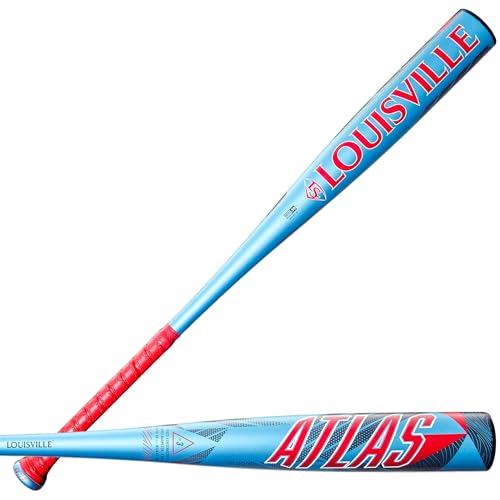 | Louisville Slugger Atlas (-3) BBCOR Bat | The top-tier splurge for a serious power hitter | $299.95 | View → |
*Prices at time of writing — they move; check the listing.
Marucci CATX2 (-3) BBCOR Bat
$159.95
The CATX2 is the bat we'd hand to most high-school and college hitters without a second thought. Marucci's CAT line is one of the most trusted one-piece alloy bats in the game, and this balanced version delivers exactly what the majority of players want: a stiff, connected feel where the energy goes straight into the ball, a fast balanced swing weight, and a barrel that's ready to mash the moment it's out of the wrapper. At around $160 it sits right in the value sweet spot — clearly a step above a budget bat in feel and pedigree, without climbing to premium-composite money.
Because it's a single piece of alloy, the CATX2 is durable and forgiving of the early-spring cold games that can be hard on composite. It's balanced, so bat speed comes easy, and it suits both contact hitters and players with some pop. It's not the softest-feeling bat on a mishit — that's the trade-off for the direct one-piece feel — but for the price, the durability, and the all-around performance, it's the bat most players will be happiest with. Pair it with a solid pair of batting gloves and you're set.
- Trusted one-piece alloy with a connected, stiff feel
- Balanced swing weight for easy bat speed
- Ready to hit immediately — no break-in
- Durable and unfazed by cold-weather games
- More sting on mishits than a two-piece composite
- Less barrel flex/'pop' feel than a premium composite
Easton Speed (-3) BBCOR Bat
$84.35
The Speed is the bat to buy when you want a legal, dependable BBCOR bat without spending real money. It's a one-piece design with a balanced, light swing weight built around bat speed — exactly what its name promises and exactly what a younger or developing high-school hitter making the jump to the -3 BBCOR standard needs. At around $84 it's by far the most affordable bat on this list, and for a player moving up from a lighter USSSA or USA bat, it's a smart way to adjust to the heavier-feeling -3 drop without a big investment.
Remember that BBCOR caps every bat's performance to the same standard, so a budget bat like the Speed is fully legal and competitive — you're giving up some of the premium feel, refinement, and barrel "pop" of a $300 composite, not raw legality or a meaningful exit-velocity edge. For a JV player, a freshman adjusting to the new drop, or any family that doesn't want to sink hundreds into a bat, the Speed is the honest value pick.
- Lowest price here — the easy budget choice
- Light, balanced swing weight built for bat speed
- One-piece, ready to swing with no break-in
- Great for adjusting to the heavier -3 BBCOR drop
- Less premium feel and refinement than pricier bats
- More vibration on mishits than a two-piece composite
Rawlings Clout AI (-3) BBCOR Bat
$229.95
The Clout AI is Rawlings' premium composite play, and it's the bat for a hitter who wants the smooth, low-sting, flexed feel that a high-end composite barrel delivers. Where the CATX2 and Speed are stiff one-piece bats, a composite like the Clout loads and flexes through contact — that's what produces the lively feel off the barrel and the noticeably softer hands on a slight mishit. For a contact or gap hitter who lives on barrel feel and hates the buzz of a cold-weather mis-hit, this is a serious upgrade.
At around $230 it's a real step up from the value picks, and it earns it for the right player: someone with a developed swing who wants premium feel and is willing to take care of a composite. It's still a -3, still BBCOR-capped — so the gain is in feel and refinement, not some illegal hot barrel — but for a dedicated hitter, that feel is exactly what they're paying for.
- Premium composite barrel with a smooth, flexed feel
- Much less sting on mishits than a one-piece alloy
- Great for contact and gap hitters who prize barrel feel
- Refined, high-end build
- Needs a short break-in and shouldn't be swung in cold weather
- Far pricier than the alloy value picks
Louisville Slugger Atlas (-3) BBCOR Bat
$299.95
The Atlas is the splurge — Louisville Slugger's flagship two-piece composite and the most expensive bat on this list. It's built for a serious, dedicated hitter who wants the most refined, dialed-in feel a BBCOR bat can offer: a flexed two-piece barrel that loads through the swing, dampens sting to almost nothing, and gives that big, smooth feel power hitters chase. For a varsity starter or college player who's competing at a high level and wants their absolute best bat, this is the top of the lineup.
As with any composite, plan on a short break-in and keep it out of freezing conditions. And keep the BBCOR reality in mind: the Atlas is capped to the same -3, same exit-speed standard as every other bat here, so what your $300 buys is the most premium feel, balance, and build — not a louder bat at the plate. For a beginner or budget buyer this is overkill, but for the right serious hitter, the Atlas is as good as it gets.
- Flagship two-piece composite with the most refined feel
- Loads and flexes through the swing for a big, smooth feel
- Virtually eliminates sting on mishits
- Top-tier build for serious, high-level hitters
- By far the most expensive bat here
- Needs a break-in, shouldn't be used in the cold — and like all BBCOR, it's exit-speed capped
What BBCOR actually means — and why it's the first thing to check
BBCOR stands for Batted Ball Coefficient of Restitution, and a bat must carry the printed "BBCOR Certified .50" stamp to be legal in high school (NFHS) and college (NCAA) play. The standard exists to cap how much energy a bat returns to the ball — making non-wood bats perform much closer to wood, for safety and fairness. A bat without that stamp, no matter how good, is illegal at the plate in those leagues and will get a player sent back to the dugout.
Three things define a legal BBCOR bat: the BBCOR .50 stamp (usually printed on the barrel or taper), a -3 drop (length in inches minus weight in ounces — so a 33" bat weighs 30 oz), a 2 5/8" barrel diameter, and a maximum length of 36". Every bat in this roundup meets all of it. The single biggest mistake families make is buying a non-BBCOR bat — a USSSA or USA youth bat, or a bat for a different level — and finding out at the first game it isn't legal.
Why no BBCOR bat is 'hotter' than another
Because BBCOR caps every certified bat to the same exit-speed standard, no legal BBCOR bat is meaningfully hotter or more powerful than another — what you're really paying for is feel, balance, durability, and refinement. This is the most important and least-understood fact about buying a BBCOR bat. The whole point of the certification is to flatten the performance differences that used to make some non-wood bats dangerous. A $300 flagship composite and an $84 one-piece alloy are held to the same ceiling.
That's freeing, because it means you can buy on feel and budget with a clear conscience. The premium bats earn their price with a smoother barrel, less sting, a more dialed-in swing weight, and a more refined build — real, noticeable things a serious hitter values. But if a salesperson or a forum tells you a particular BBCOR bat is "way hotter," be skeptical: the standard exists precisely to prevent that.
One-piece (stiff) vs. two-piece (flex) — the feel decision
One-piece bats are stiff and transfer energy directly for a connected feel power hitters like; two-piece bats flex through contact for less sting and a smoother, loaded feel that contact and gap hitters tend to prefer. This is the core feel decision, and it usually tracks with material: one-piece bats are typically alloy (like the CATX2 and Speed), while two-piece bats are typically composite (like the Clout AI and Atlas).
A one-piece bat is a single, rigid unit — when you barrel a ball, the energy goes straight into it with no flex in the way, which gives that solid, "connected" feel. The trade-off is more vibration buzzed back into the hands on a mishit. A two-piece bat joins the barrel and handle with a connection that flexes, which whips load into the swing and absorbs sting on off-center contact. Neither is "better" — it's preference. Power hitters who want directness often love a stiff one-piece; hitters who value barrel feel and softer hands lean two-piece composite.
| Feel | Typical build | Best for |
|---|---|---|
| One-piece (stiff) | Alloy | Power hitters; direct, connected feel; durability & no break-in |
| Two-piece (flex) | Composite | Contact/gap hitters; less sting; smoother loaded feel |
Balanced vs. end-loaded swing weight
Balanced bats distribute weight evenly for faster bat speed and easier control; end-loaded bats stack more mass toward the barrel for added momentum at contact — and most hitters are better served by balanced. Two bats can weigh exactly the same on a scale and feel completely different in the swing depending on where that weight sits.
A balanced bat (like the balanced CATX2) feels lighter through the zone because the weight is spread out, which helps bat speed, control, and getting the barrel to the ball on time — the right choice for most hitters, especially contact-oriented ones. An end-loaded bat puts more weight out in the barrel, so it feels heavier to swing but can deliver more momentum into the ball for a strong hitter who can handle it and stay on time. If you're unsure, go balanced: bat speed and on-time contact beat raw mass for the large majority of players.
Alloy vs. composite — durability, break-in, and cold weather
Alloy bats are durable, cheaper, ready to swing out of the wrapper, and unfazed by cold weather; composite bats flex for a smoother feel and less sting but cost more, need a short break-in, and can crack in the cold. This trade-off runs right alongside the one-piece/two-piece decision, since BBCOR alloy bats are usually one-piece and composites usually two-piece.
Alloy (the CATX2, the Speed) is the practical, no-drama choice: tough, affordable, performs immediately, and doesn't care about a frigid early-spring doubleheader. Composite (the Clout AI, the Atlas) is the feel-and-refinement choice — the flexing barrel delivers a smoother feel and softer hands on mishits — but it asks for care. Plan on a break-in of a few dozen solid hits to "wake up" the barrel, and never swing it in very cold weather (roughly below 50–60°F), where composite is far more prone to cracking. For a player who'll baby a bat and wants premium feel, composite is worth it; for everyone else, alloy is rarely the wrong answer.
How to size a BBCOR bat
BBCOR bats are always a -3 drop, so sizing comes down to choosing a length that matches the player's height and strength — and the simplest fit test is whether they can hold the bat straight out at arm's length, level to the ground, for several seconds without the barrel sagging. Since the drop is fixed, a longer bat is also a heavier bat (a 34" is 31 oz; a 31" is 28 oz), so length and weight move together.
Most high-school and college hitters land between 31" and 34". The chart below is a starting point — pick a length, then confirm with the arm's-length test. If the barrel drops, the bat is too long/heavy for that player right now, and a shorter, lighter option will keep the swing quicker and on time. When you're between two lengths, the shorter one is the safer bet for bat speed.
| Player height | Typical BBCOR length | Weight (at -3) |
|---|---|---|
| 5'4"–5'7" | 31" | 28 oz |
| 5'8"–5'10" | 32" | 29 oz |
| 5'11"–6'1" | 33" | 30 oz |
| 6'2"+ | 34" | 31 oz |
Also worth a look
 Franklin Youth 'Grow to Pro' Batting GlovesBatting gloves to go with the bat~$20 · View on Amazon →
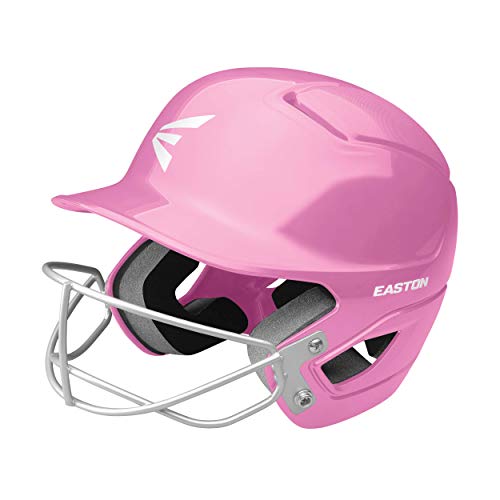 Easton ALPHA Fastpitch Helmet w/ FacemaskA batting helmet for the box~$53 · View on Amazon →
FAQ
What is the best BBCOR bat for high school and college?
For most players, the Marucci CATX2 (around $160) is the best all-around value — a trusted, balanced one-piece alloy with no break-in. The Easton Speed (around $84) is the best budget pick, while the Rawlings Clout AI (around $230) and Louisville Slugger Atlas (around $300) are premium two-piece composites for hitters who want the smoothest, most refined feel.
What does BBCOR mean?
BBCOR stands for Batted Ball Coefficient of Restitution. A bat must carry the printed 'BBCOR Certified .50' stamp to be legal in high school (NFHS) and college (NCAA) play. The standard caps how much energy the bat returns to the ball so non-wood bats perform closer to wood, for safety and fairness.
Are some BBCOR bats hotter or more powerful than others?
Not meaningfully. BBCOR caps every certified bat to the same exit-speed standard, so no legal BBCOR bat is significantly hotter than another. What you pay more for is feel, balance, durability, and refinement — not raw power. Be skeptical of any claim that one BBCOR bat is 'way hotter.'
What drop weight are BBCOR bats?
All BBCOR bats are a -3 drop, meaning the length in inches minus the weight in ounces equals 3 (a 33-inch bat weighs 30 ounces). The barrel is 2 5/8 inches and the maximum length is 36 inches. Because the drop is fixed, a longer BBCOR bat is also a heavier one.
Is a one-piece or two-piece BBCOR bat better?
It's preference, not better-or-worse. One-piece bats are stiff and transfer energy directly for a connected feel many power hitters like, and they're usually durable alloy with no break-in. Two-piece bats flex through contact for less sting and a smoother, loaded feel that contact and gap hitters often prefer, and they're usually premium composite.
Do composite BBCOR bats need a break-in?
Yes. Composite barrels typically need a short break-in — a few dozen solid hits to 'wake up' the barrel and reach full performance. They also shouldn't be swung in very cold weather (roughly below 50–60°F), where composite is more prone to cracking. Alloy bats need no break-in and are fine in the cold.
What size BBCOR bat should I use?
Since BBCOR is always a -3 drop, choose a length to match the player's height and strength — most high-school and college hitters use 31"–34". Then confirm the fit: they should be able to hold the bat straight out at arm's length, level to the ground, for several seconds without the barrel sagging. If it drops, go shorter and lighter.
We're the team behind MAVTRAX — pitch-calling software used by baseball and softball teams from 9U travel ball up. We spend our days around dugouts, gear bags and tournament weekends. Picks are chosen on specs, durability for youth-sports abuse, real-world price, and owner feedback — not on who pays the highest commission. Full criteria on how we pick.