Best Bat for High School Baseball (2026): 8 BBCOR Picks by Player Type, Freshman to Senior
Every high school bat must be BBCOR certified with a -3 drop, so the only real choices are length and feel: most freshmen swing 31 or 32 inches, most varsity hitters 32 or 33. Our #1 pick is the Marucci CATX2 BBCOR (about $150), the balanced first BBCOR most players should own. Eight picks organized by player type and grade, from a smaller freshman to a power-hitting senior.
What fits High School

In this guide · 11 sections
- Helmet headset
- At a glance
- What size bat does a high school player need?
- High school bat rules: what BBCOR means
- Best high school bat by player type
- Your first BBCOR year: the freshman plan
- High school bats compared
- Alloy or composite for high school?
- When to size up during high school
- Common high school bat mistakes
- FAQ
Quick picks
Our top recommendations, full reviews below.
Best overall: the first BBCOR most high school players should own
~$150 price and availability on Amazon
View on Amazon →Key takeaways
- The rule: BBCOR .50, -3 drop, 2 5/8 inch max barrel, or wood. High school (NFHS) and college require it. Every bat here is BBCOR stamped.
- Length by grade: most freshmen 31 or 32 inches, most varsity hitters 32 or 33, tall seniors 33 or 34. A smaller freshman can start at 30.
- #1 pick: Marucci CATX2 BBCOR (about $150). Balanced one-piece alloy; the first BBCOR most players should own.
- Smaller freshman: Easton Speed BBCOR, 30 inch (about $104). Budget or JV: Easton Tango, 31 inch (about $80).
- Power hitter: Marucci CATX2 Composite BBCOR, end-loaded (about $160). Big upperclassman: DeMarini Voodoo One, 33 inch (about $140).
- Buy for the swing you have, not the one you want. A balanced bat an inch shorter beats an end-loaded bat you are late with.
The best bat for high school baseball is a BBCOR certified -3 bat in the right length for the player's size and the right feel for their swing. For most players, and especially in the first BBCOR year, that is the Marucci CATX2 BBCOR (about $150), a balanced one-piece alloy that is easy to control and legal in every high school game.
Because every high school bat is a -3, the drop decision is gone. What is left is length (which sets weight: a 31 inch BBCOR weighs 28 ounces, a 33 inch 30), and feel: balanced or end-loaded, stiff alloy or softer composite. Those choices depend on the player. A 5'4" freshman leadoff hitter and a 6'2" senior first baseman should not swing the same bat. This guide is organized that way: by grade, by body size and by player type. If you want the full construction-by-construction comparison of ten BBCOR bats, see our best BBCOR bats roundup. Still in middle school? Start with the 14U guide, where the move from drop 5 to BBCOR happens.
At a glance
| Pick | Best for | Price* | ||
|---|---|---|---|---|
| Marucci CATX2 BBCOR Bat (-3), 2 5/8" Barrel, Balanced | Best overall: the first BBCOR most high school players should own | ~$150 | View → |
 | Easton Speed BBCOR Bat, 30" (-3), 1-Piece Aluminum | Best BBCOR for a smaller freshman who needs a 30 inch | ~$104 | View → |
 | Easton 2025 Tango BBCOR Bat, 31" (-3) | Best budget: a legal BBCOR for JV or a backup bat | ~$80 | View → |
 | Rawlings 2026 Clout AI BBCOR Bat, 31" (-3) | Best value current-year BBCOR in a freshman length | ~$130 | View → |
 | Louisville Slugger 2025 Meta BBCOR Bat, 32"/29 oz (-3) | Best for a gap and line-drive hitter who wants a softer composite feel | ~$185 | View → |
 | Marucci CATX2 Composite BBCOR Bat (-3), End-Loaded | Best for a power hitter in the middle of the order | ~$160 | View → |
 | DeMarini 2025 Voodoo One BBCOR Bat, 33"/30 oz (-3) | Best for a big upperclassman who needs 33 inches | ~$140 | View → |
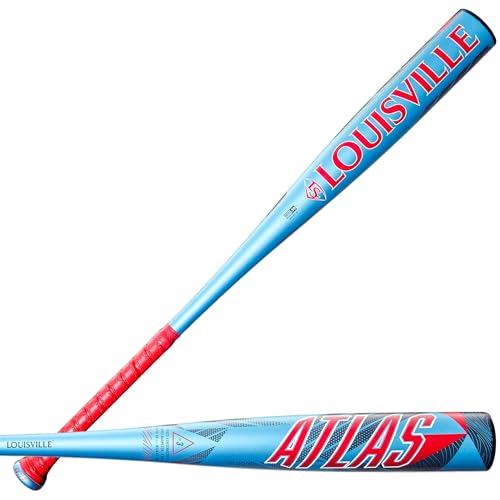 | Louisville Slugger 2026 Atlas BBCOR Bat, 32"/29 oz (-3) | The premium varsity bat for a starter who wants the flagship | ~$200 | View → |
*Prices at time of writing, they move; check the listing.
Marucci CATX2 BBCOR Bat (-3), 2 5/8" Barrel, Balanced
~$150
The CATX2 is the most common first BBCOR bat for a reason. The listing is BBCOR certified, -3, 2 5/8 inch barrel, balanced, a one-piece alloy with a stiff, connected feel and a swing weight a freshman can control. It needs no break-in, handles cold March practices, and is legal in every high school game.
About $150. Choose the length in the size menu: 31 or 32 inches for most freshmen, 32 or 33 for upperclassmen. The same bat is our BBCOR pick in the 14U guide, so many players buy it at 14 and carry it into high school.
- Balanced: easiest BBCOR to control
- One-piece alloy, no break-in
- Fine in cold weather
- Carries from 14U through high school
- One-piece feedback on mishits
- Not the choice for a pure power hitter
- Length is a size-menu choice
Easton Speed BBCOR Bat, 30" (-3), 1-Piece Aluminum
~$104
Plenty of freshmen are 5'2" and 120 pounds, and a 31 inch, 28 ounce bat is too much for them. The Speed listing is BBCOR, -3, one-piece aluminum, 30 inches, so 27 ounces, one ounce and one inch less than the typical freshman bat.
About $104. It is an entry-level alloy with a smaller sweet spot than the CATX2, which is a fair trade for a player who needs a lighter legal bat for one season before a growth spurt. Easton also sells a 32 inch Speed (about $110) for when they grow.
- 30 inch BBCOR: 27 oz
- One-piece aluminum, no break-in
- About $104
- Also sold in 32 inch
- Entry-level sweet spot
- Outgrown quickly
- Harsher feel on mishits
Easton 2025 Tango BBCOR Bat, 31" (-3)
~$80
Every high school player needs a legal bat; not every family needs to spend $150 on it. The Tango listing is BBCOR, 2 5/8 inch barrel, 31 inches, -3, at about $80, the least expensive BBCOR from a major brand we found.
It is the right buy for a JV player, a freshman who may grow two inches before next spring, or a varsity hitter who wants a legal backup for cold days and cage work. The trade-off is refinement: smaller sweet spot and more vibration on mishits.
- About $80
- 31 inch BBCOR
- Legal in every high school game
- Great backup or cage bat
- Smaller sweet spot
- More vibration on mishits
- Not a long-term varsity gamer
Rawlings 2026 Clout AI BBCOR Bat, 31" (-3)
~$130
The Clout AI is Rawlings' top BBCOR line, and this 2026 listing (BBCOR, 2 5/8 inch barrel, 31 inches, -3) is priced at about $130, well below what the 32 inch version sells for. For a freshman or sophomore who fits a 31, that is current-year flagship tech for mid-range money.
Stock at this price is limited, so check that 31 inches is the size in your cart. If your player needs a 32, the 32 inch Clout AI (about $210) is the same bat at a higher price.
- Current-year Rawlings flagship line
- 31 inch: the freshman sweet spot
- About $130 at time of writing
- BBCOR certified
- Limited stock at this price
- 31 inch only at this price
- Larger players need the pricier 32
Louisville Slugger 2025 Meta BBCOR Bat, 32"/29 oz (-3)
~$185
The Meta is Louisville Slugger's composite BBCOR, and the listing is BBCOR, 32 inches, 29 ounces, -3. Composite construction flexes a little at contact and damps vibration, so mishits sting less and the sweet spot feels bigger. That suits a gap-to-gap hitter who lives on line drives and hates the jolt of a one-piece alloy.
About $185. Composites need a short break-in and many makers warn against use in cold weather (roughly below 55 to 60 degrees), which matters for early-season high school games. Keep an alloy backup, like the Tango, for cold days.
- Soft, forgiving composite feel
- Less sting on mishits
- 32 inch, 29 oz for sophomores and up
- Popular Meta line
- About $185
- Break-in and cold-weather care
- Not the lightest swing for a small freshman
Marucci CATX2 Composite BBCOR Bat (-3), End-Loaded
~$160
Power hitters want mass behind the ball, and end-loaded bats put it there. The listing is BBCOR, -3, 2 5/8 inch barrel, end-loaded, a composite version of the CATX2 with extra weight toward the end of the barrel. For a strong upperclassman with a grooved swing, that means more momentum through contact.
About $160. The catch is control: an end-loaded bat is harder to start and steer, so it punishes a player who is not strong enough for it. It is the wrong first BBCOR for most freshmen. Choose the length in the size menu.
- End-loaded for power hitters
- Composite: less sting
- Same CATX2 family feel
- About $160
- Harder to control; wrong for most freshmen
- Composite care rules
- Length is a size-menu choice
DeMarini 2025 Voodoo One BBCOR Bat, 33"/30 oz (-3)
~$140
The Voodoo One is DeMarini's one-piece alloy BBCOR, stiff and balanced with immediate feedback, and this 2025 listing is BBCOR, 33 inches, 30 ounces, -3 at about $140, a strong price on last year's model. At 33 inches it suits a big upperclassman, roughly 5'9" and up at 160 pounds plus, who needs the length.
For a smaller player, 33 inches is too much bat. For the right player, it is a premium one-piece at a closeout price. The 32 inch 2025 model is also available as the Voodoo One 32/29 at a higher price.
- 33 inch, 30 oz for big hitters
- Stiff, balanced one-piece alloy
- About $140 on the 2025 model
- BBCOR certified
- Too long for most freshmen
- One-piece feedback on mishits
- Stock varies on older models
Louisville Slugger 2026 Atlas BBCOR Bat, 32"/29 oz (-3)
~$200
The Atlas is Louisville Slugger's premium line, and the listing is BBCOR, 32 inches, 29 ounces, -3. It is the bat for a varsity starter who wants a flagship bat he will use for several seasons.
About $200. Every BBCOR bat performs to the same certification cap, so the extra money buys feel, finish and durability rather than distance. For most players the CATX2 does the job for $50 less. For a committed starter, the Atlas is a bat to keep.
- Flagship Atlas build
- 32 inch, 29 oz for varsity hitters
- BBCOR certified
- A bat to keep for several seasons
- About $200
- No distance edge over cheaper BBCOR bats
- More than a JV player needs
What size bat does a high school player need?
Because every high school bat is a -3, length is the whole sizing decision: most freshmen swing 31 or 32 inches (28 to 29 ounces), most varsity hitters 32 or 33 (29 to 30 ounces). The youth size guide lists 31 to 34 inches for high school. By grade and size:
| Player | Typical height / weight | BBCOR length | Weight |
|---|---|---|---|
| Smaller freshman | Under 5'4", under 140 lb | 30 in | 27 oz |
| Typical freshman or sophomore | 5'5" to 5'8", 120 to 160 lb | 31 in | 28 oz |
| Typical varsity hitter | 5'9" to 6'0", under 160 lb | 32 in | 29 oz |
| Bigger upperclassman | 5'9" to 6'3", 160 lb plus | 33 in | 30 oz |
| Big senior | 6'1" and up, 180 lb plus | 34 in | 31 oz |
Confirm with the arm's-length hold (bat held straight out by the grip for about 20 seconds without sagging) and ten game-speed swings. The full height-by-weight BBCOR grid is in our best BBCOR bats guide. Between two lengths, take the shorter.
High school bat rules: what BBCOR means
High school baseball (NFHS) requires BBCOR certified bats or wood. BBCOR limits how much the barrel can spring the ball, so bats perform closer to wood. The key numbers:
| Rule | High school (NFHS) |
|---|---|
| Certification | BBCOR .50 mark on the barrel or taper |
| Drop | -3 maximum (no lighter) |
| Barrel diameter | 2 5/8 in maximum |
| Length | 36 in maximum |
| Wood | Allowed |
USA and USSSA bats, including -5 USSSA bats, are not legal in high school games. Your state association and conference can add rules, and bats must be free of cracks and dents, so check with the coach before buying. The stamp explainer is in USA vs USSSA vs BBCOR, and why no BBCOR bat is "hotter" than another is covered in best BBCOR bats.
Best high school bat by player type
Position is a loose proxy for swing type, not a rule. Match the bat to how your player actually hits:
| Player type | Often plays | What they need | Our pick |
|---|---|---|---|
| Contact / table-setter | Middle infield, center field, top of the order | Balanced, quick, an inch shorter is fine | Marucci CATX2 |
| Gap / line-drive | Anywhere in the lineup | Soft feel, forgiving barrel | Louisville Slugger Meta |
| Power / run producer | Corner infield, catcher, DH, middle of the order | End-loaded mass, strength to control it | Marucci CATX2 Composite |
| Big upperclassman | Any | 33 inches or more, stiff balanced feel | DeMarini Voodoo One 33 |
| Smaller freshman | Any | 30 inch, lightest legal swing | Easton Speed 30 |
A contact hitter with an end-loaded bat is late; a power hitter with a light balanced bat can still hit, just with less carry. When unsure, go balanced.
Your first BBCOR year: the freshman plan
For many players, freshman year is the first season on a -3 bat, and it can be a nine-ounce jump from the 30 inch -10 they swung at 12U. How to make it painless:
- Buy balanced. The CATX2 or the Easton Speed, not an end-loaded bat.
- Go shorter if needed. A freshman who struggles with a 31 inch (28 ounce) bat should try 30 before giving up length on other grounds.
- Start early. Swing the BBCOR in the cage through the winter before the season, or better, during the 13U and 14U years.
- Do not buy premium yet. A freshman who grows three inches by sophomore year needs a new length. The Easton Tango (about $80) or CATX2 is enough.
- Re-check length every fall. High school growth spurts are real.
High school bats compared
| Bat | Length | Weight | Build / swing weight | Best for | About |
|---|---|---|---|---|---|
| Marucci CATX2 | Size menu | Length minus 3 | 1-pc alloy, balanced | Most players, first BBCOR | $150 |
| Easton Speed | 30 in | 27 oz | 1-pc aluminum | Smaller freshman | $104 |
| Easton Tango | 31 in | 28 oz | Alloy | Budget, JV, backup | $80 |
| Rawlings Clout AI | 31 in | 28 oz | Current Clout AI line | Value freshman bat | $130 |
| Louisville Slugger Meta | 32 in | 29 oz | Composite | Gap hitter, soft feel | $185 |
| Marucci CATX2 Composite | Size menu | Length minus 3 | Composite, end-loaded | Power hitter | $160 |
| DeMarini Voodoo One | 33 in | 30 oz | 1-pc alloy | Big upperclassman | $140 |
| Louisville Slugger Atlas | 32 in | 29 oz | Premium | Varsity starter | $200 |
Prices move; confirm length in your cart. For a construction-level comparison, including one-piece vs two-piece and hybrid, see best BBCOR bats.
Alloy or composite for high school?
Alloy for the first BBCOR year and for cold-weather springs; composite for older hitters who want a softer feel. One-piece alloys (CATX2, Speed, Voodoo One) need no break-in and are fine on 45 degree March afternoons. Composites (Meta, CATX2 Composite) damp sting and forgive mishits, but many makers suggest a break-in of roughly 150 to 200 hits and warn against use below about 55 to 60 degrees. Plenty of varsity players own both: a composite gamer and an alloy for cold days and the cage. More in composite vs alloy and how to break in a composite bat.
When to size up during high school
Re-check every fall. Move up an inch when the player grows two inches or adds 20 pounds, holds the current bat out easily for 20 seconds, and is consistently early on good fastballs. Move one inch at a time; each inch adds an ounce at -3. Juniors and seniors who have grown into 6 feet and 170 pounds usually land at 33 inches. If a player is struggling with the jump, the fix is almost never a heavier bat. It is strength work, reps, and possibly an inch shorter.
Common high school bat mistakes
- Buying a -5 USSSA bat for high school. It is illegal in every high school game. High school is BBCOR or wood.
- Buying end-loaded for a freshman. Most first-year BBCOR hitters swing a balanced bat better.
- Going long to "grow into it." Every extra inch is an extra ounce. Late swings cost at-bats.
- Paying for distance. The BBCOR cap applies to every bat. Pay for feel and durability, not promises.
- Using a composite in the cold or with cage balls. Both can crack it and void the warranty.
- Not checking the team's rules. Some coaches and conferences have their own bat policies; ask first.
FAQ
What bat do you need for high school baseball?
A BBCOR certified bat with a -3 drop and a barrel no larger than 2 5/8 inches, or a wood bat. USA Baseball and USSSA bats are not legal in high school games.
What size bat for a high school freshman?
Most freshmen swing a 31 or 32 inch BBCOR (28 to 29 ounces). A smaller freshman under about 5 feet 4 and 140 pounds may be better on a 30 inch (27 ounces).
What is the best bat for high school baseball?
Our #1 pick is the Marucci CATX2 BBCOR, about $150, a balanced one-piece alloy that suits most players. For a smaller freshman, the Easton Speed 30 inch (about $104). For a power hitter, the Marucci CATX2 Composite end-loaded (about $160).
What is the best BBCOR bat for smaller players?
A 30 inch balanced BBCOR such as the Easton Speed (about $104), which weighs 27 ounces. Shorter BBCOR bats are lighter because every BBCOR is a -3: weight is always length minus three.
What size bat for a varsity player?
Most varsity hitters swing a 32 or 33 inch BBCOR (29 to 30 ounces). Tall, strong seniors may use 34. Confirm with the arm's-length hold test.
Are end-loaded bats better for high school?
Only for strong hitters with grooved swings, usually in the middle of the order. Most players, and especially freshmen, hit better with a balanced bat because it is easier to control.
Can you use a USSSA bat in high school?
No. High school baseball requires BBCOR certified bats or wood. USSSA and USA bats, including -5 USSSA bats, are not legal in high school games.
Is a composite or alloy BBCOR better?
Neither hits farther, because the BBCOR standard caps performance. Alloy needs no break-in and handles cold weather; composite reduces sting and forgives mishits. Many players prefer alloy as a first BBCOR.
How is this different from your best BBCOR bats guide?
Our best BBCOR bats guide compares ten bats by construction, feel and price. This guide picks the right bat by grade, body size and player type, from a smaller freshman in a first BBCOR season to a power-hitting senior.
We're the team behind MAVTRAX, a free pitch-calling app. This is a research guide: picks are chosen on manufacturer specs, league rules, build quality and real-world price, checked against live listings, not on who pays the highest commission. We haven't hands-on tested every product. Full criteria on how we pick.