Best Men's Baseball Cleats (2026): Molded & Metal
The single decision that drives a baseball cleat buy is the stud: molded plastic, metal spikes, or turf. Metal grips best but is only legal at high school and up; molded is universal and youth-legal; turf is for cages and warmups. Here are four men's cleats worth buying across all three, plus how to pick the stud type, top height, and fit that's right for you.
In this guide · 10 sections
Quick picks
Our top recommendations — full reviews below.

A versatile, league-legal molded/turf value pick
~$58 price and availability on Amazon
View on Amazon →Key takeaways
- The first thing to settle is stud type: molded (plastic studs, legal in virtually every league including youth), metal (steel spikes for the best grip — allowed at high school and up, banned in most youth leagues), or turf (rubber nubs for cages, bullpens, and artificial surfaces).
- Always confirm your league's rules before buying metal. Most youth and many recreational leagues prohibit metal spikes for safety; high school, college, and adult leagues generally allow them.
- Baseball cleats run snug — they're meant to fit close so your foot doesn't slide inside the shoe during a hard cut. Order your true size and expect a tighter feel than a running shoe.
- Low-top cleats are lighter and free up the ankle for speed and quick cuts; mid-top cleats add lateral ankle support that some infielders and bigger players prefer.
- Our universal molded pick is the New Balance Fresh Foam 3000 v7 (molded); the best value is the Under Armour Yard Icon MT molded/turf hybrid (about $58); the metal pick is the New Balance FuelCell 4040 v8 (metal), with the 3000 v7 metal for a cushioned premium step up.
- Buy the stud type your league actually allows first, then choose top height and fit — a great metal cleat is worthless if you're not allowed to wear it.
For most players, the best baseball cleat is the one with the stud type your league allows — molded for youth and most rec leagues, metal for high school and up — that fits snug and matches how you play. The stud is the whole decision: it determines where you're legal to play, how you grip the dirt, and how the shoe feels on a hard cut. Get that right and the rest (low vs. mid top, cushioning, color) is preference. Get it wrong and you've either bought a cleat you can't wear or one that doesn't grip when you plant.
Below are four men's cleats worth buying across molded, metal, and turf, who each is for, and a plain-English guide to picking stud type, confirming your league's metal rules, getting the fit right, and choosing between a low and mid top.
At a glance
| Pick | Best for | Price* | ||
|---|---|---|---|---|
| Under Armour Yard Icon MT Baseball Cleats | A versatile, league-legal molded/turf value pick | ~$58 | View → |
 | New Balance Fresh Foam X 3000 v7 (Molded) Baseball Cleats | A universal, league-legal molded cleat with premium comfort | ~$110 | View → |
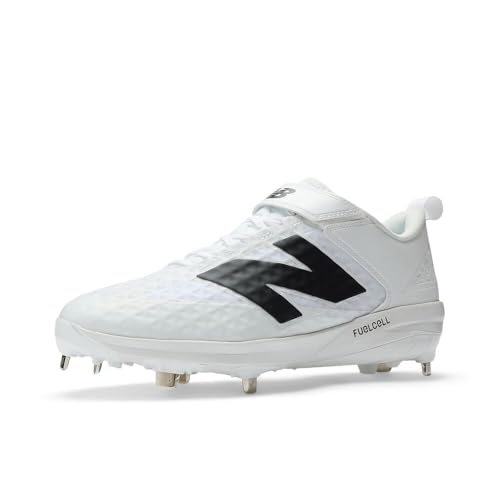 | New Balance FuelCell 4040 v8 (Metal) Baseball Cleats | A fast, grippy metal cleat for high school and up | ~$85 | View → |
 | New Balance Fresh Foam X 3000 v7 (Metal) Baseball Cleats | A premium metal cleat with flagship cushioning | ~$110 | View → |
*Prices at time of writing — they move; check the listing.
Under Armour Yard Icon MT Baseball Cleats
~$58
The Yard Icon MT is the easy yes for a player who wants one league-legal cleat that doesn't cost a fortune. The molded/turf-style outsole grips dirt and works on the surfaces most players actually practice and play on, and because there's no metal it's legal in virtually every league — youth, rec, and up. At around $58 it's the most affordable cleat here by a wide margin, which makes it the smart buy for a growing player or anyone who doesn't want to overthink it.
Under Armour builds the Yard line for durability and a locked-in fit, and this MT version is ready to wear out of the box with no break-in worth mentioning. It won't grip soft dirt quite like steel spikes do, but for the overwhelming majority of players — especially anyone in a league that bans metal — that trade is exactly the right one. Pair it with a quality pair of batting gloves and you've got an affordable, complete setup.
- Molded/turf outsole is legal in virtually every league, including youth
- Lowest price here by far
- Versatile across dirt and harder surfaces
- Durable Under Armour build, no real break-in
- Doesn't grip soft dirt as aggressively as metal spikes
- Not the plushest cushioning of this group
New Balance Fresh Foam X 3000 v7 (Molded) Baseball Cleats
~$110
The Fresh Foam X 3000 is New Balance's flagship cleat line, and the molded version is the one we'd point most players toward when comfort matters and they need a cleat that's legal everywhere. The Fresh Foam X midsole is genuinely plush — noticeably softer underfoot than a basic molded cleat — which pays off over a long doubleheader or a tournament weekend on your feet. Because the studs are molded plastic, it's legal in youth, rec, high school, and beyond.
At around $110 it's a real performance cleat, not an entry shoe, and the step up over a budget pick is in the cushioning and the locked-in upper. For a player who wants the comfort and quality of a top-tier line but plays somewhere metal isn't allowed — or simply prefers the lower-maintenance, no-restrictions feel of molded — this is the pick.
- Molded studs are legal in virtually every league
- Plush Fresh Foam X cushioning for long days
- Flagship New Balance build and fit
- No metal-rule worries — wear it anywhere
- Pricier than a value molded cleat
- Molded grip can't match steel spikes in soft dirt
New Balance FuelCell 4040 v8 (Metal) Baseball Cleats
~$85
The FuelCell 4040 is built around speed, and the metal version is our pick for a high-school-and-up player who wants the best grip and a light, fast shoe. Steel spikes bite into dirt in a way molded studs simply can't — when you plant to steal, break on a ball, or dig out of the box, metal gives you the traction that competitive players notice. The FuelCell line is known for being light and quick, which suits speed-first infielders and base stealers.
At around $85 it's priced below the premium 3000, making it a strong-value metal option for a player who's aged into a league that allows spikes. If you've moved up to high school ball and you've confirmed metal is legal, this is a fast, grippy, sensibly priced way to get it.
- Steel spikes deliver the best grip in dirt
- Light, fast FuelCell build for speed players
- Well-priced for a metal performance cleat
- Great for base stealers and quick infielders
- Metal is illegal in most youth and many rec leagues — confirm first
- Spikes aren't for use on hard turf or concrete
New Balance Fresh Foam X 3000 v7 (Metal) Baseball Cleats
~$110
The metal version of the Fresh Foam X 3000 is the splurge: the same flagship, plush-cushioned platform as our best molded pick, but with steel spikes for maximum grip. For a serious high-school-and-up player who wants the best of both worlds — the lockdown fit and Fresh Foam X comfort of a top-tier line plus the bite of metal — this is the cleat. The cushioning makes a real difference across a long season, and the spikes give you the traction competitive play demands.
At around $110 it's the most expensive option here, and it earns that price only for a dedicated player at a level where metal is legal and a full season's comfort matters. If that's you, the 3000 metal is as complete as this lineup gets.
- Steel spikes for top-tier grip in dirt
- Plush Fresh Foam X cushioning for long seasons
- Flagship New Balance fit and build
- The all-around premium choice for metal players
- Most expensive cleat here
- Metal banned in most youth/rec leagues — confirm first
- Overkill for casual or budget-minded players
Molded vs. metal vs. turf — the decision that drives everything
Stud type is the first thing to settle because it determines where you're legal to play and how the cleat grips: molded plastic studs are legal in virtually every league including youth, metal spikes grip best but are banned in most youth leagues, and turf shoes are for cages and artificial surfaces, not game dirt. Pick the stud type your league allows before anything else — everything else is preference, but this can make a cleat unwearable.
Molded cleats have permanent plastic or rubber studs. They're the universal default: legal in youth, rec, high school, and adult leagues, durable, and ready to wear out of the box. They grip dirt well — just not as aggressively as steel.
Metal cleats have steel spikes that bite into dirt for the best traction when you plant, cut, or dig out of the box. The catch is legality: most youth leagues and many rec leagues ban metal for safety. They're generally allowed at high school and above. Confirm your league's rules before buying metal.
Turf shoes aren't cleats in the game sense — they have small rubber nubs and are built for batting cages, bullpens, indoor practice, and artificial turf surfaces. They're a great second shoe but not what you wear on a dirt infield.
| Stud type | Grip | Where it's legal | Best for |
|---|---|---|---|
| Molded | Good | Virtually every league, incl. youth | Most players; anyone unsure of league rules |
| Metal | Best | HS, college, adult (banned in most youth) | Competitive players in metal-legal leagues |
| Turf | Light (surface grip) | Cages, bullpens, artificial turf | Practice, warmups, indoor work |
Confirm your league's metal rules before you buy
Most youth leagues and many recreational leagues prohibit metal spikes for safety, while high school, college, and adult leagues generally allow them — so confirm your specific league's rule before spending a dollar on a metal cleat. This is the single most common and most expensive mistake: buying a great metal cleat for a player whose league bans them, then having it sit unused.
The reasoning is safety — metal spikes can cause more serious injuries in slides and collisions, which is why younger divisions overwhelmingly require molded. As players move up, the rules relax: by high school, metal is the norm. But there's no universal cutoff, and some rec and adult leagues set their own policy. The only reliable answer comes from your league's rulebook or a quick question to a coach or league official.
Fit — baseball cleats are meant to run snug
Baseball cleats are designed to fit snug — closer and tighter than a running shoe — so your foot doesn't slide inside the shoe when you make a hard cut, plant, or accelerate. A cleat that's too roomy lets your foot shift, which costs you traction and invites blisters. Order your true size and expect a closer, more locked-in feel than your everyday sneakers.
You want your toes near (but not jammed against) the end of the shoe, and the midfoot to feel secure when you lace up. A little snugness out of the box is normal and usually settles slightly with wear; sloppy roominess does not improve. If you're between sizes, most players size down rather than up to keep that locked-in feel. Try them on with the socks you'll actually play in, and stand and make a quick lateral cut to check that your foot stays planted.
Low-top vs. mid-top
Low-top cleats are lighter and free up the ankle for speed and quick cuts, while mid-top cleats add lateral ankle support that some infielders and bigger players prefer. Neither is "better" — it's about how you play and what your ankles want.
Low-tops are the popular default for speed: they're lighter, let the ankle move freely, and suit base stealers, outfielders, and anyone who prioritizes quickness. Mid-tops sit higher and add some lateral support and stability, which some infielders making constant hard lateral cuts — and some larger or heavier players — find reassuring. The trade is a touch more weight and a little less ankle freedom. If you've had ankle issues or simply like the locked-down feel, a mid is worth trying; if speed is everything, go low.
How long do baseball cleats last?
A season is a reasonable expectation for a quality cleat with regular play, though metal spikes wear faster on hard surfaces and molded studs can round off over time. The fastest way to shorten a cleat's life is wearing it on the wrong surface: walking on concrete, asphalt, or hard pavement grinds down studs — especially metal spikes — far faster than dirt does.
Keep your game cleats for the field. Use a turf shoe or trainer for the parking lot, the cages, and the walk from the car. Knock the dirt off after games, let them dry out of a hot trunk, and a good pair will comfortably last a season of regular use. Composite uppers and well-built lines like the Fresh Foam X 3000 tend to hold up across more than one season for a careful player.
Which cleat should you buy?
Start with the stud type your league allows, then pick by budget and comfort. If you're in youth, rec, or any league where metal is banned — or you're simply not sure — buy molded or turf. The Under Armour Yard Icon MT (around $58) is the value pick that's legal almost everywhere, and the New Balance Fresh Foam X 3000 v7 molded (around $110) is the comfort upgrade for a player who wants flagship cushioning without metal-rule worries.
If you've confirmed your league allows metal — high school and up, generally — the New Balance FuelCell 4040 v8 metal (around $85) is the fast, grippy, well-priced pick, and the Fresh Foam X 3000 v7 metal (around $110) is the premium step up with the plushest cushioning for a full season. Whatever you choose, confirm the stud type is legal for your league first, then dial in fit and top height.
Also worth a look
 Franklin Youth 'Grow to Pro' Batting GlovesBatting gloves to round out the kit~$20 · View on Amazon →
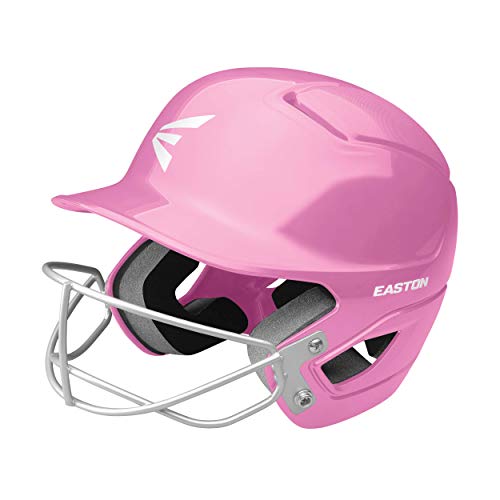 Easton ALPHA Fastpitch Helmet w/ FacemaskA batting helmet with face guard~$53 · View on Amazon →
FAQ
What's the difference between molded and metal baseball cleats?
Molded cleats have permanent plastic or rubber studs and are legal in virtually every league, including youth. Metal cleats have steel spikes that grip dirt better when you plant or cut, but they're banned in most youth leagues and many rec leagues for safety — they're generally allowed at high school and above. Always confirm your league's rules before buying metal.
Are metal cleats allowed in my league?
It depends on your level. Most youth leagues and many recreational leagues prohibit metal spikes for safety, while high school, college, and adult leagues generally allow them. There's no universal cutoff, so check your league's rulebook or ask a coach or official before buying metal. If you're unsure, molded cleats are legal almost everywhere.
What are turf shoes for in baseball?
Turf shoes have small rubber nubs instead of studs and are built for batting cages, bullpens, indoor practice, and artificial turf surfaces — not game dirt. They make a great second shoe for warmups and practice, and the Under Armour Yard Icon MT's molded/turf-style outsole gives you that versatility in a league-legal package.
Should baseball cleats fit tight or loose?
Snug. Baseball cleats are meant to fit closer and tighter than a running shoe so your foot doesn't slide inside when you make a hard cut or plant. Order your true size, expect a locked-in feel, and if you're between sizes most players size down to keep the foot from shifting. Try them on with the socks you'll play in.
What's better, low-top or mid-top cleats?
Neither is universally better. Low-tops are lighter and free up the ankle for speed and quick cuts — the popular choice for base stealers and outfielders. Mid-tops add lateral ankle support and stability that some infielders and larger players prefer, at the cost of a little weight and ankle freedom. Choose based on how you play and what your ankles want.
Which baseball cleat should I buy first?
Buy the stud type your league allows first. If you're in youth or any metal-banned league, or you're unsure, get molded or turf — the Under Armour Yard Icon MT (about $58) is legal almost everywhere. If your league allows metal (high school and up), the New Balance FuelCell 4040 v8 metal (about $85) is the value metal pick, with the Fresh Foam X 3000 v7 (about $110, molded or metal) as the premium comfort step up.
How long do baseball cleats last?
With regular play, a season is a reasonable expectation for a quality cleat — but metal spikes wear faster on hard surfaces and molded studs round off over time. The biggest factor is surface: walking on concrete or pavement grinds studs down fast. Keep game cleats for the dirt, use a turf shoe for everything else, and a good pair will last a full season or more.
We're the team behind MAVTRAX — pitch-calling software used by baseball and softball teams from 9U travel ball up. We spend our days around dugouts, gear bags and tournament weekends. Picks are chosen on specs, durability for youth-sports abuse, real-world price, and owner feedback — not on who pays the highest commission. Full criteria on how we pick.