The 5 Best Catcher's Helmets (2026): Ranked by Protection, Fit, and Headset Room
A catcher's helmet is the most safety-critical purchase on the diamond, and if your team calls pitches electronically, it's also where the speaker lives. We ranked the best hockey-style and traditional options on protection, fit, ventilation, and a criterion you won't find anywhere else: room in the ear flap for a wired-in Bluetooth headset.
In this guide · 8 sections
Quick picks
Our top recommendations, full reviews below.

Best overall for youth and travel catchers
~$92 price and availability on Amazon
View on Amazon →Key takeaways
- Hockey-style one-piece helmets are the default for youth catchers, full head coverage, no separate mask to knock loose, and (bonus) roomy ear flaps that take a wired-in pitch-call speaker cleanly.
- Best overall: the Rawlings Renegade 2.0 (~$92), the fit, ventilation, and price sweet spot for travel and rec catchers.
- Best budget: the Rawlings Players Series (~$72), a legitimate hockey-style lid for the price of a mitt.
- Fit rule: snug enough that the helmet turns WITH the head. A helmet that swivels on its own is the wrong size no matter what the label says.
- Replace after any serious impact and check certification stamps, helmets are single-story safety equipment; a cracked shell is retired, not repaired.
- We're the team behind MAVTRAX pitch calling, we spend our lives around catcher gear, and the helmet's ear flap is where our $15 headset hack lives.
The best catcher's helmet for most youth and travel players is a hockey-style one-piece, it protects the whole head, can't shift separately from a mask, and fits growing players more predictably. Within that style, the differences that matter are fit system, ventilation, weight, and build quality, and if your team calls pitches electronically (like every team running MAVTRAX), one more thing nobody else ranks: how cleanly the ear flap takes a wired-in Bluetooth speaker.
We install motorcycle-helmet speaker pods into catcher helmets constantly, so we know exactly which ear-flap designs swallow a pod invisibly and which pinch. All five picks below are verified live listings; sizing and fit guidance follows the picks.
At a glance
| Pick | Best for | Price* | ||
|---|---|---|---|---|
| Rawlings Renegade 2.0 Catcher's Helmet | Best overall for youth and travel catchers | ~$92 | View → |
 | Rawlings Players Series Catcher's Helmet | Best budget hockey-style lid | ~$72 | View → |
 | Easton Elite X Catcher's Helmet | Best step-up, lighter shell, better airflow | ~$106 | View → |
 | FORCE3 Traditional Defender Mask | Best traditional two-piece, shock suspension tech | ~$130 | View → |
 | Rawlings Mach Pro Catcher's Helmet | Best premium, the high-school and college lid | ~$210 | View → |
*Prices at time of writing, they move; check the listing.
Rawlings Renegade 2.0 Catcher's Helmet
~$92
The Renegade 2.0 hits the exact middle of the market: a proper hockey-style shell with real ventilation, a cage with good sightlines, and a fit that adjusts cleanly to growing heads, at a price a travel-ball family can absorb. It's the helmet we see most behind the plate at 10U, 14U, and it earns that by having no meaningful weakness.
- Best fit-ventilation-price balance
- Good cage sightlines
- Ear flap takes a wired speaker cleanly
- Wide youth size availability
- Not the lightest shell here
- Basic strap padding at this price
Rawlings Players Series Catcher's Helmet
~$72
A legitimate one-piece hockey-style helmet at the lowest price in this class. The Players Series gives up some ventilation and finish quality to the Renegade, but the protection architecture is the same idea, full coverage, integrated cage, no separate mask to knock askew. For rec ball or a first season behind the plate, it's the smart-money lid.
- Cheapest real hockey-style option
- One-piece protection for new catchers
- Light enough for smaller players
- Runs warmer, fewer vents
- Fit system is more basic
- Serious catchers outgrow it
Easton Elite X Catcher's Helmet
~$106
The Elite X is where helmets start feeling engineered rather than assembled: a lighter shell, noticeably better airflow for July doubleheaders, and a more refined cage. For the catcher who's behind the plate every game and complains about heat, this is the upgrade that actually addresses it.
- Lighter on the neck over a long day
- Best ventilation under $150
- Refined cage view
- Modest jump over the Renegade for casual use
- Sizing runs slightly large, check the chart
FORCE3 Traditional Defender Mask
~$130
Some catchers (and most umpires) prefer the traditional mask-plus-skullcap setup for its airflow and unobstructed peripheral vision. If that's your player, the FORCE3 Defender is the modern way to do it: its patented spring-suspension cage absorbs foul-tip energy instead of transferring it to the head, the design pro umpires adopted for exactly that reason.
Trade-offs are inherent to the style: the mask can be knocked loose, and there's no ear flap, so the wired-in headset install doesn't apply (pick a hockey-style helmet if you want to wire in a headset). See our hockey vs. traditional breakdown for the full decision.
- Spring suspension absorbs foul-tip impact
- Best airflow of any style
- Umpire-grade build quality
- Two-piece can shift on impact
- No ear flap, different headset strategy
- Needs a separate skullcap
Rawlings Mach Pro Catcher's Helmet
~$210
The Mach Pro is Rawlings' top-shelf shell: premium padding, the best fit system in their line, and the finish you see in college dugouts. For a committed catcher heading into high school ball, taking harder foul tips off better pitching, the materials upgrade is real, not cosmetic.
- Premium impact padding and liner
- Best-in-line fit system
- Built for HS/college velocity
- More than double the top pick's price
- Overkill below 13U
How a catcher's helmet should fit
The one-sentence test: the helmet should turn WITH the head. Grab the caged front and rotate gently, if the helmet swivels while the head stays put, it's too big, full stop. Beyond that:
- Measure the head, don't guess the age. A cloth tape above the eyebrows; match the manufacturer's chart, sizes overlap between "youth" and "adult" more than parents expect.
- Pads touch everywhere, press nowhere. Even contact at forehead, crown, and ear flaps; no hot spots after ten minutes.
- Buy for this season. A lid bought "to grow into" is loose exactly where it matters. Growing players change helmet sizes, budget accordingly (the ~$72 Players Series exists for this reason).
- Check the chin strap under load, snug when the jaw drops open to yell "BALL!"
Hockey-style vs. traditional: the 30-second version
Hockey-style one-piece = full head coverage, nothing to knock loose, simpler for youth players, and roomy ear flaps that take a wired-in pitch-call speaker. Traditional two-piece = better airflow and peripheral vision, easy to flip off for pop-ups, and modern versions like the FORCE3 add genuine impact-absorption tech, but the mask can shift, and there's no ear flap for electronics. Youth and travel ball has largely settled on hockey-style; the full argument is in our dedicated comparison.
The ear flap is prime real estate now
Here's the criterion no other helmet guide ranks: electronic pitch calling lives in the ear flap. Teams running one-way calls (the coach taps the pitch in MAVTRAX, the catcher hears it instantly) velcro a thin motorcycle-helmet speaker pod inside the flap, a one-minute install that turns the helmet itself into the receiver.
What makes a flap headset-friendly: pad depth (the pod hides between pad and shell), a liner edge you can tuck a wire behind, and flat interior geometry at the ear hole. The Renegade 2.0 and Elite X are excellent; the Players Series works with slightly more care; the traditional FORCE3 skips the flap entirely, so it is the wrong helmet if you plan to call pitches through a headset.
Safety, certification, and when to replace
Non-negotiables regardless of which lid you buy:
- Look for the certification stamp (NOCSAE-standard marking) required by leagues, every helmet here carries one; knockoff imports may not.
- Retire after a serious impact. Shells are engineered to sacrifice themselves once. A crack, a deep gouge, or a big foul tip off the crown = replace, don't inspect-and-hope.
- Sun and sweat age the padding, a helmet lives about 2 to 3 hard seasons before the liner compresses; a full safety-gear check each spring takes ten minutes.
- Never modify the shell structurally. The velcro headset install touches only padding surfaces, nothing is drilled, glued to structure, or permanent.
Also worth a look
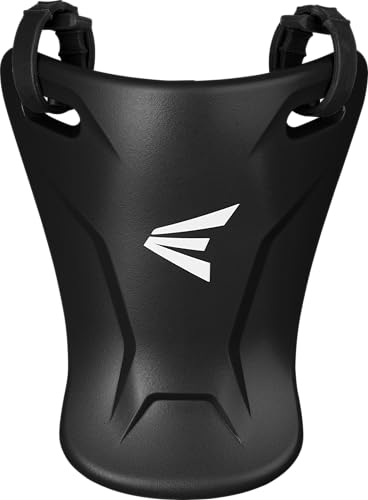 Easton Throat Guard 3.0Close the throat gap, the cheapest serious protection upgrade on this page.~$15 · View on Amazon →
 ELIKIDSTO Helmet-Mount Bluetooth Headset (IPX7)The $15 speaker that wires into the ear flap for pitch calls.~$15 · View on Amazon →
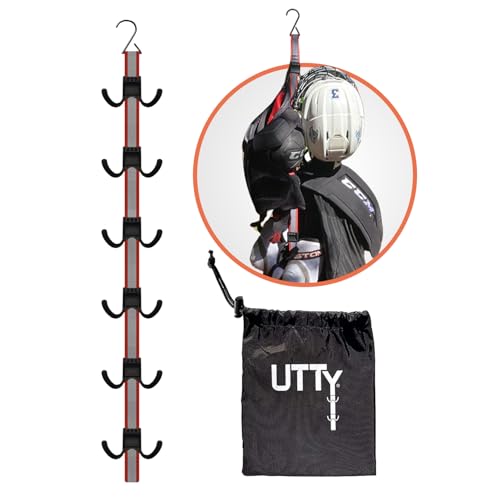 UTTY Portable Gear Drying RackPadding lasts seasons longer when the lid dries overnight instead of marinating in the bag.~$30 · View on Amazon →
FAQ
What size catcher's helmet does my kid need?
Measure the head circumference with a cloth tape just above the eyebrows and match the manufacturer's size chart, don't buy by age. The fit test: the helmet should turn with the head, never swivel independently, with even pad contact and no pressure points.
Are hockey-style helmets safer than traditional masks?
Both meet the same certification standards. Hockey-style offers full-head, one-piece coverage that can't shift separately; modern traditional masks like the FORCE3 Defender counter with spring-suspension cages that absorb foul-tip energy. For youth players, most programs default to hockey-style for simplicity and coverage.
Can you put a Bluetooth speaker in a catcher's helmet?
Yes, that's the standard setup for electronic pitch calling. A thin motorcycle-helmet speaker pod velcros inside the ear flap in about a minute, with no structural modification. Full walkthrough: our install guide.
How often should a catcher's helmet be replaced?
After any serious impact (cracks or deep damage = immediate retirement), or roughly every 2 to 3 hard seasons as padding compresses. Also replace when the player outgrows the snug-turn-with-the-head fit.
We're the team behind MAVTRAX, a free pitch-calling app. This is a research guide: picks are chosen on manufacturer specs, league rules, build quality and real-world price, checked against live listings, not on who pays the highest commission. We haven't hands-on tested every product. Full criteria on how we pick.