Electronic Pitch-Calling Systems, Explained (2026): Cost, Rules, Hardware vs. App
Everything coaches actually ask about PitchCom®, answered in one place: what the system costs, how the device works, whether it's legal at your level, whether it's worth it for youth ball, and the free app alternative that does the coach-to-catcher job on the phone you already own. Written by the team that builds that alternative, with the honesty that deserves.
In this guide · 9 sections
- Helmet headset
- What the hardware kit costs (and the price-per-team math)
- How the the hardware kit device actually works
- Is the hardware kit legal at your level?
- Is it worth it? (The honest calculus)
- The the hardware kit alternative: an app and any Bluetooth headset
- More on electronic pitch calling
- How to try electronic pitch calling for $0 this weekend
- FAQ
Key takeaways
- PitchCom is the electronic pitch-calling system used in MLB since 2022: a keypad transmitter and bone-conduction receivers that replace finger signs entirely.
- The starter kit now costs $999 direct from the hardware system (one transmitter, two receivers), with add-on receivers at $500 each and team kits climbing from there. The full breakdown lives in our price guide.
- Legality depends on your level: MLB yes, and a growing list of high school and travel organizations permit one-way electronic calls. Always confirm with your specific league.
- The app alternative exists: a phone plus any Bluetooth headset does the same one-way, coach-to-catcher job for free — that's MAVTRAX, and yes, we build it.
- Which is right for you comes down to budget and level: dedicated hardware for elite programs that want it, an app for the 99% of youth and travel teams that want the edge without a $999 hardware bill.
The hardware system is the electronic pitch-calling system that ended sign-stealing in Major League Baseball — the coach or catcher presses a button on a keypad, and the pitcher hears the call through a receiver in the cap. Since MLB adopted it in 2022, every level below has been asking the same four questions: what does it cost, how does it work, is it legal for us, and is there a cheaper way. This page answers all four and links the deep-dive on each.
Full disclosure, because it makes this guide more useful, not less: we build MAVTRAX, the app-based alternative — pitch calling from a phone to a Bluetooth headset, 100% free. We compete with the hardware makers and we respect what that hardware did for the game. Where a hardware kit is the right answer, our guides say so. Here is the complete picture.
What the hardware kit costs (and the price-per-team math)
The number most coaches search first. Short version: as of August 2026, The hardware system's starter kit costs $999 direct (one transmitter plus two receivers), each add-on receiver is $500, and a full team configuration climbs well past $2,000. Add-on receivers, replacement sleeves, and charging gear are all separate line items, which is why the real all-in number surprises people.
The complete breakdown — every configuration, every add-on, and what a full youth team actually spends — is in what a pitch-calling system costs. For budget context: the app alternative costs nothing — your only spend is a $15 helmet speaker.
How the the hardware kit device actually works
The system has two halves: a 9- or 16-button keypad transmitter (worn on the catcher's wrist or held by a coach) and bone-conduction receivers that slip into the cap or helmet. Press a button and the receiver speaks the pre-recorded call — pitch and location — to everyone wearing one. Encrypted radio, no phone involved, batteries charged between games.
The full teardown of transmitters, receivers, programming, range, and the failure modes coaches report is in how pitch-calling hardware works If you're comparing the hardware approach against the phone-plus-headset approach mechanically, that guide and wireless pitch-calling systems cover the whole landscape, including the $15 helmet-speaker install that powers the app route.
Is the hardware kit legal at your level?
The question that decides everything, and it is genuinely level-by-level:
| Level | Electronic pitch calling | The deep dive |
|---|---|---|
| MLB / MiLB | Yes — hardware calling official since 2022 | — |
| College | One-way coach-to-catcher widely permitted | Catcher earpiece rules |
| High school | NFHS opened the door; adoption varies by state | electronic pitch calling in high school |
| Travel / youth | Many sanctions allow one-way audio; confirm per event | electronic pitch calling in youth baseball |
| Fastpitch softball | Coach-to-catcher electronic calls increasingly common | electronic pitch calling for softball |
The rule of thumb that keeps teams safe everywhere: one-way audio, coach to catcher, confirmed with your governing body before game one. That standard covers the hardware system and app systems alike.
Is it worth it? (The honest calculus)
For an MLB club, obviously. For a 12U travel team, the math deserves scrutiny: $999+ of dedicated hardware that lives in one gear bag, needs charging discipline, and does exactly one job — versus the sign-stealing problem it solves, which is real at every level. Our full breakdown of who should and should not buy it is in is a hardware kit worth it?, and it does not universally conclude "buy our app instead" — there are programs where the dedicated hardware is the right call.
For everyone else, the worth-it question usually resolves to the alternative question below.
The the hardware kit alternative: an app and any Bluetooth headset
The same one-way, coach-to-catcher call, invisible on its way in — from the phone already in your pocket. The coach taps the pitch and location on the MAVTRAX app, and the catcher hears it spoken through a Bluetooth speaker wired into the helmet (a $15 motorcycle-helmet speaker is the veteran move). Free, no subscription, works offline on tournament fields with zero bars.
Two guides finish the comparison properly: pitch-calling apps compared surveys the whole app-based field honestly, and app vs. hardware comparison is the direct head-to-head — hardware cost, setup, batteries, range, rules, and where each one wins. The one-paragraph version: dedicated hardware buys you MLB pedigree and no phone dependency; the app costs nothing, voices instead of beeps, and gear you already own.
More on electronic pitch calling
The complete cluster, one link each — this page is the hub, these are the deep dives:
- what a pitch-calling system costs — every configuration and add-on priced out
- how pitch-calling hardware works — the device, the receivers, and the failure modes
- is a hardware kit worth it? — the honest buy/skip calculus by level
- pitch-calling apps compared — the apps that do the same job, compared
- app vs. hardware comparison — the direct head-to-head
- electronic pitch calling in youth baseball — rules and reality at 8U–14U
- electronic pitch calling in high school — NFHS and state adoption
- electronic pitch calling for softball — the fastpitch angle
- Electronic pitch calling — the whole category, explained
- Can a catcher wear an earpiece? — the rules question underneath it all
And if you arrived here typing "pitch com" with a space — same system, same answers. Welcome.
How to try electronic pitch calling for $0 this weekend
You do not need to buy anything to find out whether electronic pitch calling helps your team. A phone, a free app, and a headset you may already own is a complete trial. Here is the honest, no-hardware path most travel and high-school coaches use before they ever price a kit.
- Install the free app. MAVTRAX is free on iPhone, Android, and the web, with no subscription and no in-app purchases. Add your pitch types and you are calling within five minutes.
- Pair any Bluetooth headset. For the first test, any earbud works. For games, the setup that survives helmet rips is a ~$15 motorcycle-helmet headset with a thin speaker pod wired into the catcher's ear flap. The one-minute install guide covers it, and the headset roundup ranks the units we use.
- Run one bullpen. Coach calls from 60 feet, catcher relays one sign to the pitcher. If the catcher hears "curveball, low and away" clearly with the crowd noise of a practice, it will work on game day.
- Confirm the rule. Before the first game, ask your league or governing body whether one-way coach-to-catcher devices are permitted at your level. Many now allow them; some do not. Never assume.
| Option | Upfront cost | Who it fits |
|---|---|---|
| Free app + helmet headset | ~$15 | Youth, travel, high school, fastpitch |
| The hardware starter kit | $999 (as of Aug 2026) | Programs that want dedicated hardware |
| Wristband sign cards | ~$20 to $40 per set | Teams that cannot use any electronics |
If the trial works, the only thing left to decide is whether your program wants to spend on dedicated hardware anyway. Most youth and travel teams do not, and that is the whole case for the app.
FAQ
Can I try electronic pitch calling without buying a hardware kit hardware?
Yes. A free pitch-calling app such as MAVTRAX plus any Bluetooth headset lets a coach call pitches to the catcher with no hardware purchase. The game-day setup adds a ~$15 motorcycle-helmet headset wired into the catcher's helmet. Confirm with your league that one-way coach-to-catcher devices are allowed at your level.
What is a hardware kit?
PitchCom is the electronic pitch-calling system adopted by Major League Baseball in 2022. A keypad transmitter sends encrypted pitch calls to bone-conduction receivers worn in the cap or helmet, replacing traditional finger signs and eliminating sign stealing.
How much does a hardware kit cost?
The PitchCom starter kit costs $999 direct from the hardware system (one transmitter plus two receivers), add-on receivers are $500 each, and team kits push the all-in cost well past $2,000. Our hardware price guide breaks down every configuration.
Is there a cheaper alternative to a hardware kit?
Yes — app-based pitch calling. MAVTRAX runs on the coach's phone and speaks calls to any Bluetooth headset in the catcher's helmet for free, doing the same one-way coach-to-catcher job without dedicated hardware.
Is a hardware kit legal in high school and youth baseball?
Increasingly yes for one-way, coach-to-catcher communication: NFHS opened the door for high school and many travel sanctions permit it, but adoption varies by state and event. Always confirm with your specific governing body — the same rule applies to app-based systems.
Where can you buy a hardware kit?
Directly from PitchCom's official site and through team-equipment dealers. Before ordering, price out the full configuration your team needs (transmitter, receivers per player, charging) — the add-ons are where the total grows.
We're the team behind MAVTRAX — pitch-calling software used by baseball and softball teams from 9U travel ball up. We spend our days around dugouts, gear bags and tournament weekends. Picks are chosen on specs, durability for youth-sports abuse, real-world price, and owner feedback — not on who pays the highest commission. Full criteria on how we pick.
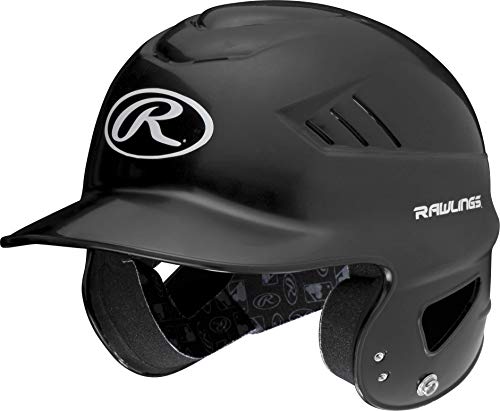
The gear every player actually needs
The core kit from our gear checklist. Live price on Amazon.




Keep reading
PitchCom® is a registered trademark of JHCF, LLC. MAVTRAX and Theory Road LLC are not affiliated with, sponsored by, or endorsed by JHCF, LLC. Competitor prices and features are quoted from the maker's public store on the date shown and can change.