Is a Hardware Pitch-Calling System Worth It? A Decision Guide by Level and Budget (2026)
A hardware pitch-calling kit is worth it if your program has the budget, wants no phone on the bench, or needs several receivers on the field at once; for most youth, travel and many high school teams, a free app plus a ~$13 helmet headset delivers the same private call. Here is the decision framework by level and budget, including the cases where hardware honestly wins.
In this guide · 9 sections
Key takeaways
- The hardware works. Dedicated kits (a keypad transmitter plus receivers) are proven at the professional level. Quality is not the question; value for your level is.
- Hardware wins on four things: no phone on the bench, a keypad you can press without looking, multiple receivers for pitcher and fielders, and a system umpires recognize at a glance.
- An app wins on four others: cost ($0 plus a ~$13 headset versus a $999 starter kit), same-day replacement parts, a built-in pitch log, and cheap expansion to JV and backup helmets.
- Rules shape the value. Through 2026, NFHS high school and Little League allow the call to the catcher only, so extra receivers add little until NFHS adds pitchers in 2027. Check your league's current rules.
- By level: college and well-funded varsity programs, hardware is reasonable. High school on a budget, travel and youth teams, start with the app.
- Lowest-risk path: run a free app with a ~$13 helmet headset for a few games. If it falls short, you will know exactly what the hardware needs to fix.
Short answer: a hardware pitch-calling system is worth it for programs that have the budget and specifically want dedicated hardware (no phone in the dugout, several receivers, a physical keypad); for most youth, travel and budget-conscious high school teams, it is not, because a free app and a ~$13 helmet headset deliver the same private spoken call.
That is not a knock on the hardware. Dedicated kits earned their place in professional baseball and they do exactly what they promise. The question this page answers is narrower: is your team better off spending $999 or more on a kit, or getting the same capability from a phone you already carry? We will lay out what you are paying for, where hardware genuinely wins, where it does not, and a decision table by level. For the exact current prices and add-on costs, see our pitch calling system cost breakdown.
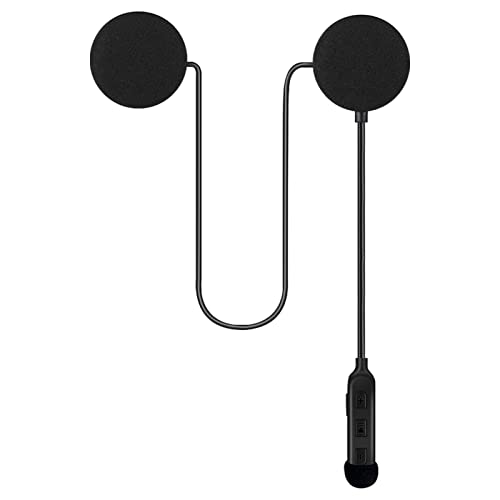
The headset that makes it work
Every setup above ends in the catcher's helmet. These are the helmet-mount units we recommend, from our headset guide (install in 5 minutes: how-to). Live price on Amazon.



What are you actually paying for with a hardware kit?
You are paying for purpose-built hardware: a keypad transmitter, receivers that play the call, charging gear, and the engineering that makes them reliable and secure. A typical dedicated kit works like this: the caller presses a pitch button and a location button on a transmitter, and receivers worn by one or more players speak the call. Some systems also offer wrist-display receivers. The signal is a proprietary radio link, encrypted so it cannot be listened to. How the pieces work is covered in how electronic pitch-calling hardware works.
What you are not uniquely paying for is the idea of a spoken call to the catcher. That part runs on a phone. An app plays a recorded call such as "Curveball, low and away" through a Bluetooth headset in the catcher's helmet. So the real comparison is not "electronic calling versus signs." It is "dedicated hardware versus phone plus headset," and the difference is everything around the call: the input device, the receivers, the durability, the price and the extras.
When is hardware worth it?
Hardware is worth it when one of these is true for your program, and more so when several are. We would rather you buy the right thing than the cheap thing.
- No phones in the dugout. Some schools, conferences or head coaches do not want a phone on the bench. A dedicated keypad solves that completely; an app cannot.
- Calling without looking. A physical keypad can be pressed by feel. Some coaches strongly prefer buttons to a touchscreen, especially in rain, cold or bright sun.
- Several receivers at once. Where your rules allow the pitcher and fielders to receive (professional ball now, NCAA under its rules, NFHS pitchers from 2027), a kit is designed to feed multiple players from one press.
- Recognition and support. Umpires and opponents at higher levels know what a dedicated kit is, and the maker supports it. That reduces friction at the plate meeting.
- Budget is not a constraint. For a college program or a booster-funded varsity team, $999 or more is a normal equipment line.
If two or three of those describe you, a hardware kit is a sound purchase.
When is it not worth it?
It is usually not worth it when the team is self-funded, the rules only allow the catcher to receive, and you mainly want the call to be private and fast.
- Parent-funded teams. $999 competes with tournament fees, field rentals and uniforms. A $13 headset does not.
- Catcher-only rules. Through 2026, NFHS high school and Little League allow one-way communication to the catcher only. Extra receivers have nowhere legal to go at those levels.
- Growth. A second catcher, a backup helmet, a JV team or a fall squad each cost another headset on the app route, not another receiver or kit.
- Replacement. If a helmet headset breaks, you buy another the same day. Proprietary receivers come from one maker.
- Data. If you want a record of what you called (pitch mix, locations, counts per pitcher), an app logs it as a side effect. That is not the focus of dedicated kits.
Is it worth it at your level?
Here is our honest read by level and budget. Rules vary by organization, so pair this with your own league's current rulebook.
| Level | Typical budget | Who may receive (2026) | Our take |
|---|---|---|---|
| 10U to 14U travel | Parent-funded | Usually catcher; varies by event | App first. Hardware rarely pays off. |
| Little League | League-funded, tight | Catcher only | App. One headset per helmet. |
| High school, budget program | School or booster | Catcher only until 2027 | App, unless the school bans phones on the bench |
| High school, funded varsity | Boosters, fundraising | Pitcher and/or catcher from 2027 | Either. Hardware makes sense if you plan to wire pitchers in 2027. |
| College | Program budget | Per NCAA rules | Hardware is reasonable and common |
| Fastpitch travel and HS | Parent or school | Catcher (NFHS, pitchers from 2027) | App first; see our softball rules guide |
The dividing line is simple. If the budget is real and you want dedicated hardware for its own sake (no phone, keypad, multiple receivers), buy it. If you mainly want the call to be private and fast for a catcher, the app gets you there for the price of a headset.
How do the costs compare over three seasons?
Over three seasons, an app-based setup for one team typically costs well under $50 in headsets; a hardware starter kit costs $999 up front, plus any extra receivers or replacements. The detailed price list is on our cost page; here is the shape of it.
| App + helmet headsets | Hardware starter kit | |
|---|---|---|
| Year 1, one team | $0 app + ~$13 headset (~$26 with a backup) | $999 |
| Add a second team | ~$13 to $26 more | More receivers or a second kit |
| A broken receiver | ~$13, same day | Replacement from the maker |
| Years 2 and 3 | Replace headsets as they wear, ~$13 each | Batteries, repairs, add-ons as needed |
A fair caveat: budget helmet headsets are consumables. Owner reviews of the cheapest units point to clips and charging ports wearing out over a season. At about $13, that still leaves the app route far cheaper, and step-up in-helmet options (ultra-thin pods, ski-helmet drop-in speakers) are in our headset guide if you want more durability.
What does the app route give up?
Honestly: a dedicated input device, multi-player receivers and the "no phone" guarantee. Here is the full list, so you can weigh it.
- The phone is the transmitter. The coach has to keep it charged, silenced and out of the sun. A cheap power bank in the bag handles the battery; a phone mount or lanyard helps with handling.
- Touchscreen, not buttons. Tapping a pitch and a location takes two taps; most coaches get fast within a game, but it is not the same as pressing keys by feel.
- Bluetooth range depends on your field. Some dugouts are 60 feet or more from the plate. Test at your actual distance before relying on it, and move the caller to the near end of the dugout if needed.
- One-way to the catcher. MAVTRAX is built coach to catcher, which fits current youth and NFHS rules. If you want to feed the pitcher and three fielders at once where rules allow it, dedicated hardware is designed for that.
What you gain in exchange: $0 software, same-day replacement parts, a pitch log, Live Talk (press and hold to speak in real time), offline use and the ability to wire every helmet on the rack. The full side-by-side is in pitch calling app vs hardware.
How do you decide in five minutes?
- Check your rules. Who may receive at your level this season? If it is the catcher only, extra receivers add little value today. Start at our electronic pitch calling systems guide for rules by level.
- Check your constraints. Does your school or head coach forbid phones on the bench? If yes, buy hardware.
- Check your budget. If $999 is a normal equipment line, hardware is a reasonable choice. If it is a fundraiser, start with the app.
- Test the idea for free. Get MAVTRAX free, mount a ~$13 helmet headset in the catcher's helmet, and call a scrimmage and two games.
- Decide from the field, not a sales page. If the app did the job, you saved the kit. If you found yourself wishing for buttons or more receivers, you now know exactly why the hardware is worth it to you.
FAQ
Is a $999 pitch-calling kit worth it for a youth team?
Usually not. Youth rules generally allow calls to the catcher only, and a free app with a ~$13 helmet headset gives the catcher the same private spoken call. Hardware makes more sense for programs with budget that want no phone on the bench.
When is hardware better than an app?
When your program cannot or will not use a phone in the dugout, when coaches want a physical keypad, when rules allow several players to receive and you want to wire them all, or when budget is simply not a constraint.
Do high school teams need hardware for electronic pitch calling?
No. NFHS rules do not require a specific device and named earpieces, wristbands and smartwatches as examples. Through 2026 the call can only go to the catcher, which a phone and helmet headset handle well.
Will the 2027 NFHS change make hardware more worth it?
Possibly, for programs that want to put the call in both the pitcher's and catcher's ears. Many coaches will keep the pitcher unwired and use a catcher relay. Wait for your state's 2027 guidance before buying.
What does a free pitch-calling app give up compared with hardware?
A dedicated keypad, multi-player receivers and the no-phone guarantee. It gains zero software cost, cheap replacement parts, a pitch log, Live Talk and easy expansion to more helmets.
How reliable is Bluetooth from the dugout?
Reliable at typical dugout distances with a decent helmet headset, but range varies by phone, headset and field. Test from your actual dugout before a game and keep a spare headset charged.
We're the team behind MAVTRAX, a free pitch-calling app. This is a research guide: picks are chosen on manufacturer specs, league rules, build quality and real-world price, checked against live listings, not on who pays the highest commission. We haven't hands-on tested every product. Full criteria on how we pick.