Electronic Pitch Calling in High School Baseball (2026): The NFHS Rule, State Variations and Setup
Yes: since the 2024 season, NFHS baseball rules have allowed a coach in the dugout to call pitches to the catcher with a one-way electronic device, and NFHS has approved adding pitchers from 2027. Here is what the rule says, where states differ, and how high school programs actually set it up, from the device to the pregame meeting.
In this guide · 8 sections
Key takeaways
- The rule: NFHS Rule 1-6-2 has permitted one-way electronic communication from a coach in the dugout to the catcher, on defense, for calling pitches, since 2024.
- 2027 change: NFHS has approved extending the same one-way communication to the pitcher and/or catcher starting with the 2027 season. Through 2026, catcher only.
- The limits: the coach must stay in the dugout or bench area, cannot talk to any other defensive player or anyone on offense, and the catcher cannot talk back.
- The penalty is real: a violation brings a team warning, and the next offense ejects the offender and the head coach. Know the rule before you use the device.
- States can differ. Most follow the NFHS book, but your state association issues its own interpretations and pitch-count policy. Confirm with your AD and state association each season.
- Cheapest compliant setup: a free app on the pitching coach's phone plus a ~$13 helmet-mount headset in the catcher's helmet. A dedicated hardware kit starts at $999.
Short answer: yes, electronic pitch calling is legal in high school baseball in states that follow NFHS rules, as long as it is one-way from a coach in the dugout to the catcher. NFHS approved it for the 2024 season, after years of college and pro teams doing the same thing, and the stated reasons were pace of play and managing technology responsibly. In 2026 NFHS went a step further and approved letting the pitcher receive calls as well, starting in 2027.
That leaves high school coaches with practical questions: what exactly the rule allows, what happens if you get it wrong, whether your state does anything differently, and what equipment a program should buy. This guide answers all four. For the broader category (how the systems work, app versus hardware), see our electronic pitch calling systems guide.
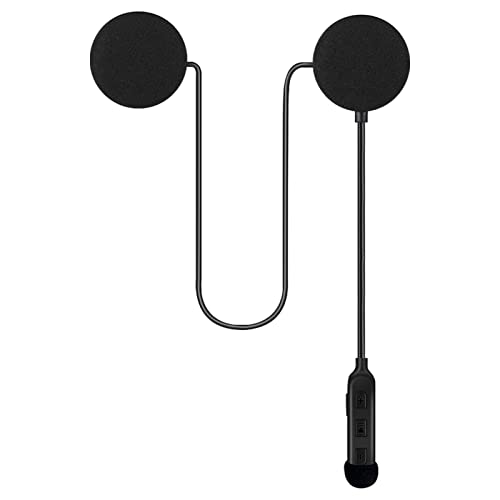
The headset that makes it work
Every setup above ends in the catcher's helmet. These are the helmet-mount units we recommend, from our headset guide (install in 5 minutes: how-to). Live price on Amazon.



Is electronic pitch calling legal in high school baseball?
Yes, in NFHS-rules states, since 2024: a coach in the dugout may use a one-way device to call pitches to the catcher while the team is on defense. It is an exception to the long-standing ban on players wearing electronic communication equipment, so the exception is narrow on purpose.
When NFHS announced the change, it gave three reasons: keeping a balance between offense and defense, speeding up the game, and managing technology in a way that does not hand an advantage to schools with bigger budgets. That last point matters. NFHS did not specify a device; it named earpieces, electronic wristbands and smartwatches as examples, which means an inexpensive phone-and-headset setup is as legitimate as a dedicated kit.
| Season | Who may receive | From whom | When |
|---|---|---|---|
| Before 2024 | No one | n/a | n/a |
| 2024 to 2026 | Catcher only | A coach in the dugout or bench area | On defense, to call pitches |
| 2027 onward (approved) | Pitcher and/or catcher | A coach in the dugout or bench area | On defense, to call pitches |
What does NFHS Rule 1-6-2 allow and forbid?
It allows one thing: pitch calls from a coach in the dugout to the catcher on defense, one-way. Everything else stays prohibited. Based on the rule and NFHS's published explanation:
- Allowed: a coach in the dugout or bench area sends pitch calls to the catcher while the team is on defense.
- Not allowed: the coach using the device outside the dugout or bench area (no calling from the third-base box or the bullpen).
- Not allowed: communicating with any other defensive player, including the pitcher through 2026.
- Not allowed: using the device with any player on offense. No calls to hitters or baserunners.
- Not allowed: two-way communication. The catcher cannot answer, confirm or ask anything through the device.
- Still prohibited: players wearing microphones or cameras on the field.
The penalty: the umpire issues a team warning to the coach, and the next offender on that team is ejected along with the head coach. That is severe enough that it is worth a two-minute talk with your staff about who holds the phone and where they stand.
The device is also optional. Nothing in the rule requires a team to use one, and a team that uses one can still flash signs.
Do state associations handle it differently?
Most state associations play by the NFHS rulebook, but each one runs its own season and can publish its own interpretations, so the only reliable answer for your school comes from your state association. Differences tend to show up in a few places:
- Adoption timing and interpretations. A state may publish a clarification on what counts as the bench area, how a malfunction is handled, or whether the device may be used in postseason play.
- Schools that play under a different rulebook. Private-school leagues or associations that adopt another code (or modify NFHS rules) are not automatically covered by the NFHS change. Check which book your games are played under.
- Pitch-count policy. NFHS requires every state to have a pitching restriction policy, but the limits and rest days are set by each state. If you rely on the app's pitch log, make sure your count follows your state's rules, not a youth-league chart.
- Conference and tournament rules. Spring break tournaments and showcase events that are not state-sanctioned games may follow their own policies.
The workflow that avoids trouble: ask your athletic director to confirm with the state association in writing before the season, keep a copy of that email with the scorebook, and mention the device at the plate meeting.
How are high school programs setting it up?
The most common setup is simple: the pitching coach (or head coach) calls from the dugout, the varsity catcher wears a headset inside the helmet, and the catcher relays one simple sign to the pitcher. Here is how programs typically organize it.
Who calls. Pick one caller per game and keep them in the dugout. If the head coach coaches third on offense, that is fine; the rule only matters on defense, when the caller must be in the dugout or bench area. Many programs hand calling to the pitching coach so the head coach can run the defense.
Which levels. Start with varsity, then add JV once the catchers are comfortable. The per-team cost with an app is one headset per catcher helmet, so outfitting JV and freshman teams is realistic.
The catcher-to-pitcher relay. Through 2026 the pitcher cannot receive, so the catcher needs one quick sign to the mound. Keep it simple (one finger for "as called," a glove tap for a pickoff look) because the secret part already arrived privately. In 2027 programs will be able to put the call in the pitcher's ear too; you can decide then whether that is worth doing.
Pregame routine. Charge the headset the night before. In warmups, the caller sends five test calls from the dugout while the catcher is in full gear at the plate. At the plate meeting, tell the umpire you are using a one-way device to the catcher.
A written fallback. If the headset fails mid-inning, the catcher goes back to your standard signs. Practice that switch once so nobody panics in the sixth.
For the calling itself (how to decide pitches quickly and sequence hitters), see how to call pitches from the dugout.
What equipment does a high school program need?
Either a phone app plus a helmet headset per catcher, or a dedicated hardware kit. Both are legal under NFHS rules, which do not specify a device.
The app route. MAVTRAX is free on iPhone, Android and the web. The coach taps the pitch and location; the catcher hears a spoken call such as "Slider, low and away" in under a second. It works offline once loaded, and it logs every call by pitcher, which helps when you are tracking workload across a packed conference week.
The headset. Buy a motorcycle-style helmet headset, not earbuds. The thin pods velcro inside the catcher's helmet over one ear, so the speaker stays with the helmet when the catcher rips it off on a pop-up.
The hardware route. A dedicated kit uses a keypad transmitter and its own receivers, with no phone involved. Starter kits run $999, with extra receivers on top (full cost breakdown). It is the choice for programs that want no phone on the bench or plan to put receivers on several players once the 2027 rule arrives.
| App + helmet headset | Hardware kit | |
|---|---|---|
| Varsity cost | ~$13 to $26 (with a spare) | $999 starter kit |
| Add JV and freshman | ~$13 per helmet | More receivers or kits |
| Phone on the bench | Yes | No |
| Pitch log | Automatic, per pitcher | Not the focus |
If your school has a policy on coaches using phones in the dugout, check it before choosing; that is the one situation where the hardware route solves a problem an app cannot. More on the trade-offs in is a hardware pitch-calling system worth it?
What changes for high school baseball in 2027?
From 2027, NFHS rules will let a coach in the dugout send one-way pitch calls to the pitcher and/or the catcher. The restrictions otherwise stay the same: dugout only, defense only, one-way only, and no microphones or cameras on players.
What that means in practice:
- You can skip the relay. Putting the call in both ears removes the catcher-to-pitcher sign, which is the last visible step in the exchange.
- You do not have to. Many coaches will keep the pitcher unwired so the pitcher's routine stays the same, and keep using the catcher as the relay.
- Equipment planning. An app route adds a second headset or earpiece solution for the pitcher; a hardware kit adds a receiver. Wait for your state's 2027 guidance before buying anything new.
For who can wear what at every level from MLB down, see do pitchers wear earpieces?
FAQ
Is electronic pitch calling allowed in high school baseball?
Yes, in states that follow NFHS rules. Since 2024, a coach in the dugout may use a one-way device to call pitches to the catcher while the team is on defense. Confirm with your state association, which may issue its own interpretations.
Can a high school pitcher wear an earpiece?
Not through the 2026 season. NFHS limits reception to the catcher until 2027, when the approved change lets the pitcher and/or catcher receive one-way calls from the dugout.
What is the penalty for misusing the device?
Under the NFHS rule, the umpire issues a team warning, and the next offender on that team is ejected along with the head coach. Keep the caller in the dugout and the device one-way.
Can the coach in the third-base box call pitches?
No. The coach using the device must be in the dugout or bench area. On defense, that is where your caller should be anyway.
Does the rule require a specific brand of device?
No. NFHS did not specify a device and named earpieces, electronic wristbands and smartwatches as examples. A phone app with a helmet headset and a dedicated hardware kit are both options.
Can we use electronic pitch calling in JV and freshman games?
Generally the same NFHS rule applies to sub-varsity games your state association governs, but some leagues and schools set their own policies. Ask your AD.
Does electronic pitch calling help with pitch counts?
It can. Because every pitch is called through the app, MAVTRAX logs pitches per pitcher automatically. Use it alongside your official count and your state's pitching restriction policy, which is the rule that governs.
We're the team behind MAVTRAX, a free pitch-calling app. This is a research guide: picks are chosen on manufacturer specs, league rules, build quality and real-world price, checked against live listings, not on who pays the highest commission. We haven't hands-on tested every product. Full criteria on how we pick.