Electronic Pitch Calling in Softball (2026): The Rules by Level and How to Set It Up
Yes: electronic pitch calling is legal in a lot of fastpitch softball, including NFHS high school softball, which has allowed one-way coach-to-catcher devices since the 2025 season. This guide covers the rule at each level (high school, Little League, college, travel), what the rules actually permit, and the exact setup a fastpitch program needs on game day.
In this guide · 9 sections
- Gear for this
- Is electronic pitch calling legal in softball?
- What does the NFHS softball rule actually allow?
- What about Little League, college and travel softball?
- Why does electronic pitch calling fit fastpitch so well?
- What equipment does a softball team need?
- How do you set it up for game day?
- App or hardware kit for a softball program?
- FAQ
Key takeaways
- High school (NFHS): since 2025, a coach in the dugout may send one-way communication to the catcher while the team is on defense. The pitcher and other players cannot receive it through the 2026 season; NFHS has approved adding pitchers starting in 2027.
- Little League softball: the 2025 rulebook added an exception to Rule 3.17 allowing a manager or coach in the dugout to call pitches to the catcher with a one-way device, in both baseball and softball.
- Travel and college: USA Softball, USSSA, PGF-style events and NCAA each run their own rules and tournament policies. Check your sanction's current rulebook and ask the tournament director before the first pitch.
- One-way is the whole rule. Where it is allowed, the coach talks and the catcher listens. No microphone on the player, no talk-back, no calls to hitters or baserunners.
- The setup is two pieces: a pitch-calling app on the coach's phone and a ~$13 helmet-mount Bluetooth headset velcroed inside the catcher's helmet. MAVTRAX, the app, is free.
- Softball gets more out of it than baseball: a bigger pitch menu, a faster tempo and a runner at second standing closer to the catcher's signs all favor a spoken call.
Short answer: yes, you can use electronic pitch calling in fastpitch softball at most levels, as long as it is one-way from a coach in the dugout to the catcher. NFHS high school softball has allowed exactly that since the 2025 season, and Little League wrote the same permission into its 2025 rulebook for both baseball and softball. Travel sanctions and college conferences set their own rules, so those take one phone call or email to confirm.
This page is the rules and setup guide. It walks through what each level allows, the fine print that trips coaches up (the coach has to stay in the dugout, the call can only go to the catcher, and so on), and the exact game-day setup, from pairing a helmet headset to what to tell the plate umpire. If you are still comparing options such as wristband cards, watches and dedicated hardware, start with our softball pitch calling systems roundup and come back here when you are ready to set it up.
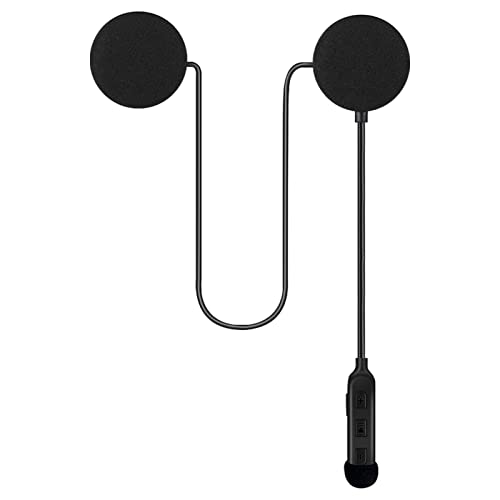
The headset that makes it work
Every setup above ends in the catcher's helmet. These are the helmet-mount units we recommend, from our headset guide (install in 5 minutes: how-to). Live price on Amazon.



Is electronic pitch calling legal in softball?
At most organized levels, yes, with one condition that shows up everywhere: the communication is one-way, coach to catcher, on defense. Here is the state of play by level as of the 2026 season. Rules change every year, so treat this as a map and confirm the current wording with your own governing body.
| Level | What is allowed (2026) | Who can receive | Check with |
|---|---|---|---|
| High school (NFHS) | One-way device from a coach in the dugout, on defense, since 2025 | Catcher only (pitchers added from 2027) | Your state association |
| Little League softball | Rule 3.17 exception since 2025: coach or manager in the dugout may call pitches | Catcher only | Your league and district |
| College (NCAA) | One-way devices have been permitted in college play for several seasons | Per current NCAA softball rules | Conference and NCAA rulebook |
| Travel (USA Softball, USSSA, PGF, others) | Commonly permitted, but set per organization and sometimes per event | Varies | Tournament director, in writing |
The pattern is consistent: governing bodies are comfortable replacing a visible sign with a private one, and uncomfortable with anything that looks like coaching a hitter or a baserunner electronically. Build your setup around the narrow version (coach in dugout, one-way, catcher only, defense only) and you will be inside the rule almost everywhere it exists.
What does the NFHS softball rule actually allow?
The NFHS softball rule allows a coach in the dugout or bench area to send one-way electronic communication to the catcher while the team is on defense. NFHS announced it for the 2025 season and did not limit the type of device: earpieces, electronic wristbands and smartwatches were all named as examples when the change was published.
The fine print, as NFHS described it:
- The coach must be in the dugout or bench area while using the device. You cannot call pitches from the third-base coaching box or from the fence.
- Only the catcher receives. The coach cannot use the device to talk to any other defensive player, and cannot use it with anyone on offense.
- The catcher cannot talk back. The device is one-way; the player may not use it to send anything to the coaching staff.
- Content is not limited to the pitch. NFHS interpretations indicate the coach may pass the catcher pitch selection and defensive information (positioning, coverage) while on defense, which the catcher can then relay.
For 2027, the NFHS softball committee approved letting pitchers join catchers as players who may receive one-way communication from the dugout. Until that season begins, keep the headset on the catcher only.
One more NFHS note: state associations run their own seasons and can issue their own guidance on top of the national rule. Your state's softball rules interpreter is the final word.
What about Little League, college and travel softball?
Little League: for 2025, Little League added an exception to Rule 3.17 in both its baseball and softball rulebooks. A manager or coach may use one-way communication to the catcher while the team is on defense, for the purpose of calling pitches, and may not use the device outside the dugout or bench area or with any other player. For 2026 Little League added a clarification that a team gets a reasonable amount of time to fix a malfunctioning device. Local leagues and tournament play can add conditions, so ask your league president or district administrator. More on the youth side in electronic pitch calling in youth baseball.
College: NCAA softball programs have been using one-way pitch-calling devices for several seasons, and many coaches call pitches from the dugout by default. Conference and NCAA rules define who may receive and how; that is a compliance-office question for your program, not a guess.
Travel ball: this is where coaches most often get surprised, because there is no single rulebook. USA Softball, USSSA, PGF-style showcase events and independent tournament operators each set their own electronic-device policy, and some events add their own rules on top of the sanction. The practical move:
- Read the event's rules packet for a section on electronic devices or communication equipment.
- If it is silent, email the tournament director before the weekend: "We call pitches one-way from the dugout to our catcher's helmet headset. Is that permitted at this event?"
- Save the reply on your phone. If an opposing coach objects at the plate meeting, you have it.
Why does electronic pitch calling fit fastpitch so well?
Because fastpitch combines the three things that make hand signs hardest: a big pitch menu, a fast tempo and short distances.
- More pitches, more combinations. A high school pitcher may throw a rise, drop, curve, screw, change and a drop curve. Six pitches times a handful of locations is a lot of finger combinations to flash, read and relay in a crouch.
- Faster tempo. The pitcher is back on the rubber quickly, and a sign exchange that takes three seconds is felt on every pitch. A spoken call arrives while the catcher is already setting up.
- Closer eyes. On a 60-foot diamond a runner at second is close enough to read a catcher's hand and relay it with a tap of the helmet. Nothing visible means nothing to relay. Our guide to preventing sign stealing covers the mechanics of how that relay works.
- Location is the game. Rise versus drop is decided by where the ball starts and finishes. Calling "drop, low and away" as a private sentence protects the location plan as well as the pitch.
What equipment does a softball team need?
A phone with a pitch-calling app for the coach, and a Bluetooth headset mounted inside the catcher's helmet. That is the whole rig for an app-based setup. A dedicated hardware kit replaces the phone with a keypad transmitter and uses its own receivers; that route starts at $999 for a starter kit (see our pitch calling system cost breakdown).
The headset matters more than people expect. Softball catchers wear either a hockey-style helmet or a skull cap with a separate mask, and both come off constantly: pop-ups, plays at the plate, mound trips. Anything worn on the player (an earbud, a headband) gets knocked loose. The setup that survives is a motorcycle-style helmet headset: a thin speaker pod that velcros inside the helmet over one ear, with a small control unit on the shell.
Two softball-specific notes. First, fit: hockey-style fastpitch helmets have less room between the shell and the padding than some baseball helmets, so peel the pod in over the ear hole and test the fit with the mask on before you stick it permanently. Second, sizing: if your catcher is still wearing a youth helmet, check our softball face mask size chart before buying new gear around the headset. Step-by-step install: how to install a Bluetooth headset in a catcher's helmet.
Avoid earbuds, bone-conduction headbands and clip-on speakers for game use. They either block an ear the catcher needs or fall off the first time the helmet does.
How do you set it up for game day?
Plan on about 15 minutes the first time and 30 seconds before every game after that.
- Install the app and set your staff. Get MAVTRAX free on iPhone, Android or the web. Add your pitchers and set each one's pitch menu, so you never call a screwball to a pitcher who does not throw one.
- Mount and pair the headset. Velcro the pod inside the catcher's helmet over one ear, route the wire under the padding, then pair it in the phone's Bluetooth settings. Rename it "CATCHER 1" so nobody pairs to the team car.
- Run a range test. Put the catcher in full gear at the plate, walk to your dugout, and call ten pitches. Then call five more from the far end of the dugout. The catcher should repeat each call back word for word. Adjust volume on the headset so it is clear over crowd noise but not loud enough for the batter to hear.
- Agree the pitcher relay. Through 2026 the pitcher cannot wear a receiver at the high school level, so the catcher relays with one simple sign. Keep it to a single finger or glove touch; the secret part (which pitch and where) already arrived privately.
- Tell the umpire. At the plate meeting: "We are calling pitches one-way from the dugout to our catcher." Most umpires appreciate the notice, and it heads off questions later.
- Carry a fallback. If the headset dies, go back to your old signs for the inning. A reasonable-time allowance for a broken device is in the 2026 Little League clarification; other levels vary, so do not count on a long stoppage.
For the coaching side (how to decide the next pitch quickly and sequence a hitter), see how to call pitches from the dugout.
App or hardware kit for a softball program?
For most fastpitch programs the free app plus a helmet headset does the job; a dedicated hardware kit earns its price when a program wants no phone on the bench or needs several receivers at once.
| Hardware kit | App + helmet headset | |
|---|---|---|
| Up-front cost | $999 starter kit, more for extra receivers | $0 app + ~$13 headset |
| Coach's device | Dedicated keypad | Phone (or tablet, laptop) |
| Replacement | Proprietary parts from the maker | Any helmet headset, same day |
| Pitch log | Not the focus | Every call logged by pitcher |
| Multiple receivers | Built for several players | One-way to the catcher |
The full decision framework is in is a hardware pitch-calling system worth it?, and the category overview is in our electronic pitch calling systems guide.
FAQ
Is electronic pitch calling allowed in high school softball?
Yes, under NFHS rules since the 2025 season: a coach in the dugout may use a one-way device to communicate with the catcher while the team is on defense. NFHS has approved extending it to pitchers from 2027. State associations can issue their own guidance, so confirm with yours.
Can the softball pitcher wear an earpiece?
Not in NFHS high school softball through the 2026 season; only the catcher may receive. NFHS approved adding pitchers starting in 2027. Little League's 2025 rule also names the catcher only. College and travel rules vary, so check yours.
Can the coach call pitches from the third-base box?
Not under the NFHS or Little League rules, which require the coach using the device to be in the dugout or bench area. If your head coach coaches third, an assistant in the dugout usually runs the calls.
Does electronic pitch calling work for 10U and 12U softball?
Yes, if your league or tournament allows it. Younger catchers often benefit most, because hearing the call removes the burden of reading and remembering sign sequences. Use a helmet-mount headset rather than anything worn in the ear, and keep the pitcher relay simple.
What headset works with a fastpitch catcher's helmet?
A motorcycle-style helmet headset with thin velcro speaker pods, mounted inside the helmet over one ear. Our top pick is about $13. Avoid earbuds, bone-conduction headbands and clip-on speakers, which fall off or block an ear.
Can the catcher talk back to the coach?
No. Every rule we know of that permits electronic pitch calling limits it to one-way communication from the coach to the player. MAVTRAX is built one-way, coach to catcher, for that reason.
Do we need Wi-Fi or cell service at the field?
Not for the call itself. MAVTRAX plays pre-loaded audio from the coach's phone to the headset over Bluetooth, so it works on a back field with no signal once the app has been opened with a connection.
We're the team behind MAVTRAX, a free pitch-calling app. This is a research guide: picks are chosen on manufacturer specs, league rules, build quality and real-world price, checked against live listings, not on who pays the highest commission. We haven't hands-on tested every product. Full criteria on how we pick.