Pitch-Calling System Cost (2026): Every Hardware Price, Team-Size Totals and the $13 App Setup
A hardware pitch-calling starter kit costs $999 as of August 2026 (one transmitter plus two receivers), each add-on receiver is $500, the single-player Solo unit is $2,000, and softball team systems are leased at $2,000 to $6,400. An app-based system costs a free app plus a ~$13 helmet headset. Below: every published price, what each tier buys, cost by team size, three-year total cost of ownership, and the hidden costs budgets miss.
In this guide · 13 sections
- Gear for this
- How much does a pitch-calling system cost? (quick answer)
- Hardware kit prices: every tier on the maker's store (August 2026)
- What does the $999 starter kit include?
- Pitch-calling system cost by team size
- Total cost of ownership: the three-year math
- Hidden costs most pitch-calling budgets miss
- What an app-based pitch-calling system costs
- What do wristband cards and other low-tech options cost?
- How do teams pay for a pitch-calling system?
- When is the hardware price worth it?
- Where to buy (and the trial and lease options)
- FAQ
Key takeaways
- Hardware starter kit: $999 as of Aug 2026, direct from the maker's online store. One transmitter plus two receivers, in three configurations: two wrist displays, two audio receivers (pitcher and catcher), or one of each.
- Add-on receivers: $500 each. Every extra player on the system is another $500; the belt-pack receiver is also $500, and the maker's care plan is $250.
- Solo unit: $2,000; softball team systems are leased, not sold: $2,000 for one year or $3,200 for two (4-piece), $6,400 for two years (8-piece). A Perfect Game 4-piece audio lease is $1,600 a year.
- No youth discount, no budget tier. A 12U team pays the same $999 as a college program.
- App-based system: about $13. The MAVTRAX app is free; the only purchase is a helmet-mount Bluetooth headset for the catcher's helmet (about $26 with a backup).
- Three-year math for one team: roughly $999 to $1,249 for hardware versus about $52 for an app system with a spare and yearly replacement headsets.
A hardware pitch-calling system costs $999 for the starter kit as of August 2026, straight from the maker's own store. That buys one transmitter and two receivers. Every player beyond that is a $500 add-on receiver, the single-player Solo is $2,000, and the softball team systems are $2,000 to $6,400 multi-year leases. There is no youth discount and no subscription tier. An app-based system costs a free app plus a ~$13 helmet headset for the catcher.
This page is the cost guide for the whole category: every published hardware price, what each tier includes, a cost table by team size, the three-year total-cost-of-ownership math, the hidden costs that surprise program directors, and how teams actually pay for it. We build MAVTRAX, the free app option, so we have an obvious interest; that is why every hardware number below is quoted from the maker's public store with a date, and why we say plainly where the hardware is worth its price. If you are still deciding which kind of system you want, start at the electronic pitch-calling systems hub and come back here to budget.
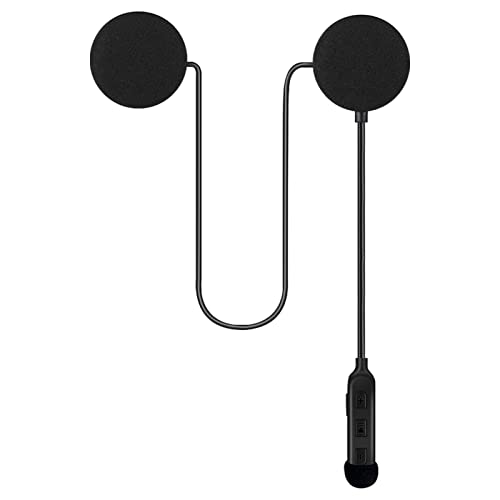
The headset that makes it work
Every setup above ends in the catcher's helmet. These are the helmet-mount units we recommend, from our headset guide (install in 5 minutes: how-to). Live price on Amazon.



How much does a pitch-calling system cost? (quick answer)
Three price bands cover everything on the market. The numbers are upfront costs for one team with one catcher on the call.
| System | Upfront, one team | What the money buys |
|---|---|---|
| App + helmet headset | ~$13 (~$26 with a backup) | Free app on the coach's phone; spoken call to a speaker pod inside the catcher's helmet |
| Hardware audio kit | $999 starter; +$500 per extra receiver | Dedicated keypad transmitter and proprietary receivers; no phone involved |
| Wrist-display team system | $2,000 to $6,400 (1 to 2 year leases, softball) | Transmitter plus wrist screens for the catcher and fielders |
| Wristband sign cards (non-electronic) | ~$15 to $40 per set | Coded card on the wrist; no electronics, but readable and slow |
Hardware prices are from the maker's store on August 23, 2026, and they change. Headset price is the live Amazon price in late September 2026, rounded. The rest of this page breaks every line down.
Hardware kit prices: every tier on the maker's store (August 2026)
| Product | Price | What's included |
|---|---|---|
| Starter kit | $999 | 1 transmitter + 2 receivers. Choose: 2 wrist displays, or 1 pitcher audio + 1 catcher audio, or 1 wrist display + 1 pitcher audio |
| Perfect Game edition starter kit | $999 | Same three configurations |
| Add-on receiver | $500 | One additional audio receiver |
| Mini belt-pack receiver | $500 | Belt-worn receiver |
| Solo unit | $2,000 | Single-player all-in-one unit |
| Care / protection plan | $250 | The maker's coverage plan |
| Perfect Game 4-piece audio system | $1,600 a year (or ~$133 a month) | 2-year lease; 4 audio pieces |
| Softball 4-piece visual display system | $2,000 (1-year lease) or $3,200 (2-year) | 1 transmitter + 3 wrist displays |
| Softball 8-piece visual display system | $6,400 (2-year lease) | Larger wrist-display kit |
| Alliance Fastpitch tiers | Core $1,600 · Elite $2,400 · Pro $4,800 | 1 transmitter + 3, 5 or 11 wrist displays |
| Tournament trial | $500 | Use at a listed Perfect Game or Alliance event |
| Youth edition or discount | None listed | Same prices at every level |
| Pitch analytics / dashboard | Not listed | Not part of any tier on the store |
Prices read from the maker's online store on August 23, 2026; confirm on the store before you budget. The pattern to notice: the $999 headline is the floor. A team that wants the catcher, the pitcher and a bullpen arm all on audio is at $1,499. A club with three age groups needs three kits before a single add-on.
What does the $999 starter kit include?
One transmitter (the keypad the coach or catcher presses) and two receivers. You choose the receiver mix at checkout:
- Two wrist displays: units that show the call as text. Useful when a catcher relays and an infielder needs the call; no audio.
- One pitcher audio + one catcher audio: two receivers that play the spoken call. The classic big-league configuration.
- One wrist display + one pitcher audio: the hybrid.
Charging gear is included; extra receivers, belt packs and the care plan are separate. Notice what two receivers means in practice: if both go to the pitcher and the catcher, there is no spare. A dead or lost receiver mid-tournament leaves one player off the call until you buy another at $500. Many programs end up adding a third receiver for exactly that reason. The mechanics of the transmitter and receivers are covered in how pitch-calling hardware works.
Pitch-calling system cost by team size
The single-kit price is not the number that matters; the program total is. Here is what each route costs for the setups coaches actually run, using the August 2026 hardware prices and a ~$13 helmet headset.
| Setup | Hardware route | App route |
|---|---|---|
| 1 team, catcher only on the call | $999 (starter kit) | ~$13 (one headset) |
| 1 team, catcher + backup helmet wired | $999 (second receiver as the spare) | ~$26 (two headsets) |
| 1 team, catcher + pitcher on audio | $999 (no spare) | ~$26 (pitcher wears nothing; catcher gives one sign) |
| 1 team, catcher + 3 pitchers on audio | $1,999 ($999 + 2 × $500) | ~$26 (same catcher relay) |
| Club with 3 teams | $2,997 (3 kits) | ~$78 (two headsets per team) |
| Club with 6 teams | $5,994 (6 kits) | ~$156 |
| High school varsity + JV | $1,998 (2 kits) | ~$52 |
| Fastpitch team, 4 wrist displays | $2,000 a year, or $3,200 for 2 years (lease) | ~$26 (catcher only; fielders get signs) |
Two honest notes. First, the app route does not put the pitcher or fielders on the call; the catcher relays with one sign, which is the configuration most leagues permit anyway. If you truly need several players hearing or seeing the call, compare against the hardware column, not the headset price. Second, some clubs share one hardware kit between teams that never play at the same time. That cuts the total, but it adds a hand-off, a charging schedule and a single point of failure on busy tournament weekends.
Total cost of ownership: the three-year math
Upfront price flatters neither side. Here is the three-year picture for one team, with the assumptions stated so you can swap in your own numbers.
Assumptions: 30 games a season for 3 seasons (90 games). Hardware: one $999 starter kit, optional $250 care plan, no receivers lost. App: two ~$13 headsets in year one (primary plus backup helmet), and one ~$13 replacement headset in each of the next two seasons, because budget headsets are consumables.
| Three-year cost, one team | Hardware kit | App + helmet headset |
|---|---|---|
| Year 1 | $999 (or $1,249 with the care plan) | ~$26 |
| Year 2 | $0 if nothing breaks | ~$13 |
| Year 3 | $0 if nothing breaks | ~$13 |
| 3-year total | $999 to $1,249 | ~$52 |
| Per game (90 games) | ~$11 to $14 | ~$0.58 |
| Per player (12-player roster) | ~$83 to $104 | ~$4 |
| One lost or broken receiver | +$500 | +~$13 |
The line that moves the most is the last one. Receivers get sat on, left in hat brims, dropped in coolers and packed in the wrong bag. On the hardware route, each of those events is a $500 decision. On the app route, it is a $13 stop on the way to the field. Lose one receiver in three years and the hardware per-game cost rises to about $17.
What the table does not price: the coach's phone (already owned, so we count it at $0), a phone power bank for long tournament days (many coaches already carry one), and time. Hardware setup time is programming and charging several devices; app setup time is about 15 minutes once, then a 30-second pairing check before each game.
Hidden costs most pitch-calling budgets miss
These are the line items program directors tell us they did not see coming. Most apply to hardware; a few apply to every route.
- The spare. A two-receiver kit used by two players has no backup. The fix is a third receiver at $500, or accepting that one dead battery takes a player off the call.
- Multiple teams. Kits multiply by team. A club that budgets one kit and then tries to share it across age groups quickly discovers the calendar conflicts.
- Lease renewals. The softball display systems are one- and two-year leases. Year three is another invoice, not a paid-off asset.
- Coverage. The care plan is $250. Whether it is worth it depends on how rough your gear bag is.
- Charging logistics. Every receiver and transmitter needs charging between games, which means a charging routine owned by one person. For the app route, it is one headset per helmet plus the coach's phone.
- Replacement headsets (app route). A ~$13 headset is a consumable. Budget one replacement per season so a worn-out charging port never becomes a scramble.
- The rulebook. The most expensive system is the one your league does not allow. Confirm before you buy anything, including a $13 headset.
What an app-based pitch-calling system costs
The app is $0 and the hardware is one helmet headset, so a working system costs about $13. MAVTRAX is free on iPhone, Android and the web with no subscription, no plan tiers and no in-app purchases. The coach's phone is the transmitter. The catcher's receiver is a motorcycle-style helmet-mount Bluetooth headset: a thin speaker pod that velcroes inside the helmet's ear flap, so it rides with the helmet through every pop-up instead of falling out.
The unit most of our readers buy is the ELIKIDSTO IPX7 helmet headset at about $13, rated around 50 hours per charge. Buy two and wire the backup helmet too; at this price the spare costs less than a tournament lunch. The install takes about a minute, and how to install a Bluetooth headset in a catcher's helmet shows exactly where the pod goes.
| Headset tier | Approx. price | Why you would pay it |
|---|---|---|
| Budget helmet-mount pod (top pick) | ~$13 | Does the whole job; cheap enough to wire every helmet |
| Step-up helmet headset | ~$41 | Better seals, slimmer pods, all-day battery |
| Brand-name comms unit | ~$99 to $152 | Pairing that behaves the same every game; longer warranty |
Every tier is ranked in best Bluetooth headsets for a catcher's helmet. What the free app includes (spoken pitch and location, Live Talk, offline mode, a roster with each pitcher's arsenal and a pitch log) is laid out in the free pitch calling app.
What do wristband cards and other low-tech options cost?
For completeness, the non-electronic baseline. A wristband with printed sign cards runs roughly $15 to $40 per set, and many coaches print their own cards for pennies. Finger signs cost nothing.
Their cost is not money; it is time and secrecy. The catcher's eyes leave the field to read a wrist on every pitch, and a sharp opposing staff can decode a number-to-pitch card over a few innings. How to prevent sign stealing covers how that happens. If your league does not allow electronics, cards are the right tool; if it does, a ~$13 app setup costs about the same as a good wristband and removes both problems.
How do teams pay for a pitch-calling system?
Most youth programs pay for gear three ways: the team budget, a per-player split or a fundraiser. The route you pick changes which of those you need.
- Per-player split. On a 12-player roster, a $999 kit is about $83 a family; a two-headset app setup is about $2 a family. Travel parents notice the difference.
- Club budget. Clubs with several teams usually buy centrally. That is where the multiplication in the team-size table bites: six kits is about $6,000, six app setups about $156.
- Fundraiser or sponsor. A $1,000 hardware purchase is a realistic sponsor ask for a high school booster club. It is not a realistic ask for a 10U rec team.
A common path for high school programs: run the app system for a season, confirm the state association rules and the staff's workflow, then decide whether the program wants to fund dedicated hardware. The season of real use is the best data you will get.
When is the hardware price worth it?
There are clear cases where $999 and up is the right spend:
- No phones on the bench. If your staff refuses to have a phone in a coach's hand during games, a dedicated keypad is the answer, and an app is not.
- The pitcher on audio. If you want the pitcher (and maybe fielders) hearing or seeing the call directly, you need receivers for each of them, and your league must allow it.
- Catcher-called games. Some college-level programs put the transmitter on the catcher's wrist. App systems are built for a coach calling from the dugout.
- Crowded radio environments. A dedicated radio link can have more headroom than Bluetooth in a packed complex. In practice Bluetooth works at youth tournaments when the coach calls from the dugout opening; wireless pitch calling explains range and interference.
For everyone else, the cost tables above are the argument. Is a hardware pitch-calling system worth it? goes deeper by level, and pitch calling app vs. hardware kit compares setup, range, batteries and rules head to head.
Where to buy (and the trial and lease options)
The best-known hardware kit sells direct from the maker's online store and through some team-equipment dealers. The Perfect Game, Alliance Fastpitch and USA Softball co-branded kits are the same hardware with event-specific packaging and lease terms. If you want to try before committing $999, the maker lists $500 tournament trials tied to specific Perfect Game and Alliance events on its 2026 calendar, and the softball display systems are leased by the year.
It is not sold as a standard Amazon listing at the time of writing. The helmet headsets used with app-based pitch calling are on Amazon. Before you order any system, price the full configuration your program needs (transmitters, receivers per player, spares, coverage, every team), then compare that number with the app route in the team-size table above.
FAQ
How much does a hardware pitch-calling system cost?
As of August 2026, the best-known hardware starter kit is $999 direct from the maker's online store: one transmitter plus two receivers (two wrist displays, two audio receivers, or one of each). Add-on receivers are $500 each, the Solo single-player unit is $2,000, and softball team systems are leased at $2,000 to $6,400.
What is in a $999 pitch-calling starter kit?
One transmitter and two receivers. You choose the receiver configuration at checkout: two wrist displays, one pitcher audio plus one catcher audio, or one wrist display plus one pitcher audio. Charging is included; extra receivers are $500 each.
How much is an add-on receiver?
$500 per additional receiver as of August 2026. The belt-worn mini receiver is also $500, and the maker's care plan is $250.
Is there a youth discount on pitch-calling hardware?
No youth edition or youth discount is listed on the maker's store. A 12U team pays the same $999 starter price as a college program, and the Perfect Game co-branded kit is the same $999.
Can you rent or trial a pitch-calling system?
The maker lists $500 tournament trials for specific Perfect Game and Alliance Fastpitch events, and the softball wrist-display systems are sold as one- and two-year leases ($2,000 and $3,200 for the 4-piece kit, $6,400 for two years of the 8-piece).
What is the cheapest electronic pitch-calling system?
A free pitch-calling app plus a motorcycle-style helmet-mount Bluetooth headset velcroed into the catcher's helmet. MAVTRAX is free with no subscription, and the headset is about $13, so a team is live for about $13 (about $26 with a backup helmet).
How much does electronic pitch calling cost for a whole club?
On the hardware route, roughly $999 per team kit, so about $3,000 for three teams and about $6,000 for six. On the app route, about $26 per team for two helmet headsets, so about $78 for three teams and about $156 for six.
Is a hardware pitch-calling kit sold on Amazon?
Not as a standard listing at the time of writing; it sells direct from the maker and through team dealers. The helmet headsets used with app-based pitch calling are on Amazon from about $13.
We're the team behind MAVTRAX, a free pitch-calling app. This is a research guide: picks are chosen on manufacturer specs, league rules, build quality and real-world price, checked against live listings, not on who pays the highest commission. We haven't hands-on tested every product. Full criteria on how we pick.