Electronic Pitch Calling in Youth Baseball (2026): Little League Rules, Travel Ball and the Right Age to Start
Yes: Little League changed its rules for 2025 to let a manager or coach in the dugout call pitches to the catcher with a one-way device, and many travel organizations allow it too. This guide covers the rule in each youth organization, which ages it actually helps, and a setup that costs about $13 instead of hundreds.
In this guide · 9 sections
- Gear for this
- Is electronic pitch calling allowed in Little League?
- What about travel ball, USSSA, Perfect Game and PONY?
- What age is electronic pitch calling right for?
- Why does it help youth catchers so much?
- What equipment does a youth team need?
- How do pitch counts fit in?
- How do you run your first game with it?
- FAQ
Key takeaways
- Little League: since 2025, an exception to Rule 3.17 lets a manager or coach in the dugout use one-way communication to the catcher on defense, to call pitches. It applies in baseball and softball. A 2026 clarification gives teams reasonable time to fix a malfunctioning device.
- Travel ball: USSSA, Perfect Game, PONY, Babe Ruth/Cal Ripken and independent tournament operators each set their own policy. Many events allow one-way devices; confirm with the tournament director before the weekend.
- Best ages: it helps most from about 10U to 14U, when kids pitch from a mound, throw more than one pitch and runners lead off. Below that, there is little to call.
- Young catchers benefit most. Hearing "Fastball, away" is easier for an 11-year-old than decoding a sign sequence, and it lets them focus on receiving and blocking.
- Budget reality: a free app plus a ~$13 helmet-mount headset does the job. A dedicated hardware kit starts at $999.
- Pitch counts come along for free: calling every pitch through the app logs counts by pitcher, which helps with age-based limits (check your league's current chart).
Short answer: yes, electronic pitch calling is now allowed in Little League, and in many travel baseball events, as long as it is one-way from a coach in the dugout to the catcher. Little League made the change for the 2025 season by adding an exception to its electronic-device rule, and it applies to both baseball and softball divisions. Travel organizations are a patchwork, so the answer there is "probably, but ask."
The more useful questions for a youth coach are the ones after "is it legal": at what age does it actually help, what should a 12-year-old catcher wear, and is it worth spending money on? This guide covers the rules first, then the ages, then a setup that fits a parent-funded team. If you want the high school rule instead, that is in electronic pitch calling in high school baseball.
The headset that makes it work
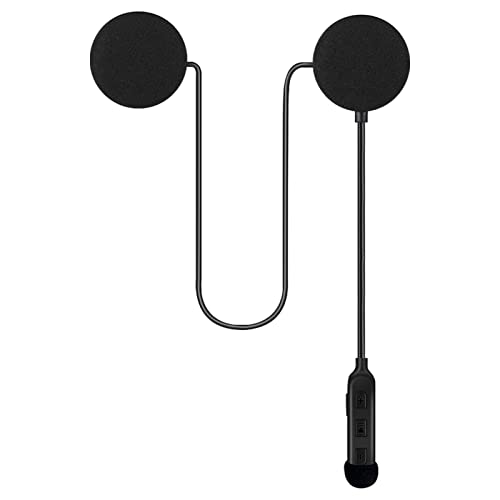
Every setup above ends in the catcher's helmet. These are the helmet-mount units we recommend, from our headset guide (install in 5 minutes: how-to). Live price on Amazon.



Is electronic pitch calling allowed in Little League?
Yes, since 2025. Little League's electronic-device rule (Rule 3.17) now includes an exception that allows a manager or coach to use one-way communication to the catcher while the team is on defense, for the purpose of calling pitches. The same exception appears in the baseball and softball rulebooks.
The restrictions, as Little League published them:
- Catcher only. The manager or coach may not use the device to communicate with any other team member while on defense.
- Defense only. No communication with any team member, including other coaches, while on offense.
- Dugout only. The manager or coach may not use the device outside the dugout or bench area.
- One-way only. The catcher receives; nothing goes back to the dugout.
For 2026, Little League added a clarification that a team must be given a reasonable amount of time to correct a malfunctioning one-way device. That is useful, but do not rely on a long delay; carry a spare headset and a set of backup signs.
What about travel ball, USSSA, Perfect Game and PONY?
There is no single travel-ball rulebook, so the policy depends on the organization and sometimes on the individual event. Here is how to think about the common ones:
| Organization | Where the rule lives | What to do |
|---|---|---|
| Little League | Rule 3.17 exception (2025) | Allowed to the catcher; confirm local and tournament guidance |
| USSSA | National rules plus state and event policies | Check the event rules packet or ask the state director |
| Perfect Game and showcase events | Event-specific rules | Ask the tournament director in writing |
| PONY, Babe Ruth / Cal Ripken | Organization rulebook and league bylaws | Check the current rulebook and your league |
| Independent tournaments | Operator's own rules | Email the director before the weekend |
A one-line email avoids most problems: "We call pitches one-way from our dugout to our catcher's helmet headset. Is that permitted at this event?" Save the reply. If the opposing coach raises it at the plate meeting, you can show it.
Build your setup around the narrow version of the rule (coach in the dugout, catcher only, defense only, one-way) and you will fit the rules of almost every organization that permits electronic calling at all.
What age is electronic pitch calling right for?
It pays off from roughly 10U through 14U, and it becomes standard practice by high school. The deciding factors are whether kids pitch from a mound, whether they throw more than one pitch with intent, and whether runners can lead off and steal signs.
| Age | Typical game | Worth it? |
|---|---|---|
| 8U and under | Coach or machine pitch, or very early kid pitch | No. There is nothing to call. |
| 9U | Kid pitch, mostly fastballs | Only for location work, if at all |
| 10U to 12U | Fastball and changeup, locations start to matter, leadoffs in many travel formats | Yes. Biggest benefit for young catchers. |
| 13U to 14U | Bigger field, breaking balls, real sign stealing | Yes. Sign security starts to matter. |
| High school | Full arsenals, scouting | Standard where allowed |
Two notes on younger players. First, keep the menu short: our pitch types by age guide covers what belongs in a 10U arsenal versus a 14U one, and for most 10U pitchers it is fastball, changeup and location. Second, the catcher benefits more than the pitcher. A 10-year-old catcher who no longer has to remember and flash signs can put that energy into receiving, blocking and staying in a good stance.
Why does it help youth catchers so much?
Because it removes the part of catching that young kids are worst at (remembering and executing sign sequences) and leaves the parts they need to practice.
- No sign memory. Youth catchers mix up sequences, especially with a runner on second when the signs change. A spoken call is unambiguous.
- Eyes stay forward. The catcher never looks to the dugout for a sign, so they are already set up and watching the hitter when the pitcher gets the relay.
- Faster games. Youth games with a coach calling pitches often stall on the sign exchange. Cutting it to about a second adds up over 80 or 90 pitches.
- A teaching moment. Between innings the coach can say why a pitch was called ("he was late on the fastball, so we stayed hard away"), which is how catchers learn to call a game themselves later. See how to call a baseball game.
What equipment does a youth team need?
A phone with a pitch-calling app for the coach and a helmet-mount Bluetooth headset for the catcher. That is the whole setup.
The app: MAVTRAX is free on iPhone, Android and the web, with no subscription and no trial. The coach taps the pitch type and location; the catcher hears the spoken call in under a second. It works offline once loaded, which matters at tournament complexes with no signal.
The headset: for kids, the rule is to mount it in the helmet, not on the player. A motorcycle-style helmet headset has thin speaker pods that velcro inside the helmet over one ear. Nothing goes in the ear canal, nothing to lose in the dirt, and when the catcher tosses the helmet on a pop-up the speaker goes with it.
If you are shopping for the helmet itself, youth catcher helmets vary a lot in how much room there is inside the ear area; our youth catcher's helmet guide covers fit.
What about a hardware kit? Dedicated kits start at $999 for a transmitter and a couple of receivers (cost breakdown). They work well, but for a parent-funded team that money competes with tournament fees and field time. Our worth-it guide covers when a kit makes sense.
How do pitch counts fit in?
Youth leagues enforce daily pitch limits by age, and calling every pitch through an app gives you a running count by pitcher without a clicker. In Little League baseball, for example, the published daily maximums have been 50 pitches for ages 7 to 8, 75 for 9 to 10, 85 for 11 to 12 and 95 for 13 to 16, with required rest days based on pitches thrown. Travel organizations and tournaments often use different limits or innings-based rules.
Use the app's count as a management tool, not as the official record; the official scorekeeper or pitch counter your league designates is the one that counts. Our youth baseball pitch count rules page has the full charts by organization.
How do you run your first game with it?
- Confirm the rule with your league or tournament director.
- Set up at home. Add your pitchers and their pitches to the app, velcro the headset into the catcher's helmet and pair it to your phone.
- Test in the yard. Walk 60 feet away and call ten pitches; the catcher repeats each one. Then try it from your actual dugout distance before the game.
- Teach one relay sign. The catcher gives the pitcher one simple sign. Keep it the same all game.
- Tell the umpire at the plate meeting.
- Keep backup signs. If the headset dies, switch to your old signs until the next inning.
For the calling itself, see how to call pitches from the dugout, and for the whole category, our electronic pitch calling systems guide.
FAQ
Is electronic pitch calling allowed in Little League?
Yes, since 2025. An exception to Rule 3.17 lets a manager or coach in the dugout use one-way communication to the catcher on defense to call pitches, in both baseball and softball. Check your league and tournament guidance.
Can the Little League pitcher wear an earpiece?
No. The Little League exception covers communication to the catcher only. The catcher relays the call to the pitcher with a simple sign.
Is electronic pitch calling allowed in USSSA or Perfect Game events?
Policies vary by organization and sometimes by event, and many travel events allow one-way devices. Read the event rules and email the tournament director before the weekend.
What is the youngest age that should use electronic pitch calling?
Around 10U, once kids pitch from a mound with at least two pitches and locations start to matter. Before that there is little to call.
What headset should a youth catcher wear?
A motorcycle-style helmet headset mounted inside the helmet over one ear. Our top pick is about $13. Avoid earbuds and bone-conduction headbands for game use.
How much does youth electronic pitch calling cost?
With MAVTRAX, the app is free, so the cost is one helmet headset at about $13 (two if you wire the backup helmet). A dedicated hardware kit starts at $999.
What happens if the device stops working mid-game?
Little League's 2026 clarification says a team gets a reasonable amount of time to fix a malfunctioning device. In practice, swap to a spare headset or go back to hand signs for the rest of the inning.
We're the team behind MAVTRAX, a free pitch-calling app. This is a research guide: picks are chosen on manufacturer specs, league rules, build quality and real-world price, checked against live listings, not on who pays the highest commission. We haven't hands-on tested every product. Full criteria on how we pick.