Coach to Catcher Communication Devices: Every Option in 2026
A coach-to-catcher communication device sends the pitch call from the dugout to the catcher's ear, one way, with no hand signs for the other team to steal. The options run from a free app plus a ~$13 helmet-mount headset to dedicated hardware kits around $999. Here is every device type, how each works, which one fits your level, and what leagues check.
In this guide · 12 sections
- Helmet headset
- What is a coach-to-catcher communication device?
- Every coach-to-catcher option compared
- What is a one-way communication device in baseball?
- Baseball coaching headsets: what the coach and catcher actually wear
- How an app works as a coach-to-catcher device
- How a hardware kit works as a coach-to-catcher device
- Coach to catcher vs. catcher to pitcher: which path makes sense?
- Which communication device should your team buy?
- Are coach-to-catcher devices legal in youth leagues?
- Game-day checklist for any coach-to-catcher device
- FAQ
Key takeaways
- A coach-to-catcher communication device is one-way: the coach sends, only the catcher hears, and the catcher relays to the pitcher with one simple sign.
- Three electronic device types: a phone app speaking to a helmet-mount headset, a two-way helmet intercom (coach talks live, no phone), and a dedicated hardware kit with a keypad and receivers.
- The app route costs about $13 (the MAVTRAX app is free; you buy one helmet headset). Hardware kits start around $999; see the full cost breakdown.
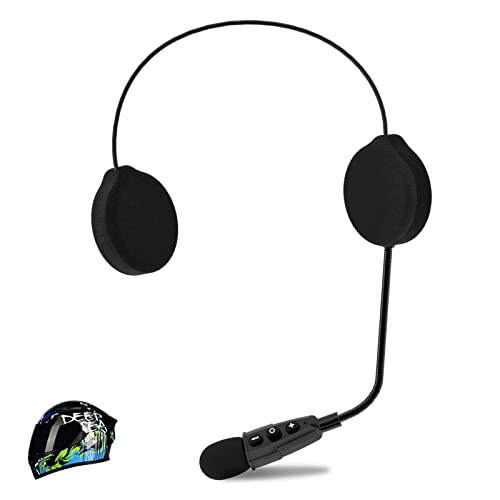
- "Baseball coaching headsets" usually means the catcher's side: a motorcycle-style speaker pod velcroed inside the helmet's ear flap. The coach needs no headset in app mode.
- One-way, coach to catcher is the configuration most leagues that allow electronics permit. Confirm with your league before game one.
- The one clear case for hardware: programs that will not have a phone on the bench, or want the pitcher on audio too.
A coach-to-catcher communication device does one thing: it gets the pitch call from the dugout to the catcher's ear without a hand signal that a runner on second base can read and relay to the hitter. The call travels electronically, one way, and only the catcher hears it. The catcher then gives the pitcher one simple sign, and the pitch is on its way.
MAVTRAX is the device most youth and travel programs actually use for this: the coach taps the pitch and location on a phone, and the catcher hears "Fastball, low and away" through a ~$13 speaker pod inside the helmet in about a second. The app is free, with no subscription and no credit card. Below is every coach-to-catcher device type side by side, how each one works in a real game, which fits your level, and what your league will want to know. If you are comparing whole systems rather than the device itself, the electronic pitch-calling systems hub covers that.
What is a coach-to-catcher communication device?
It is any device that lets a coach send the pitch call to the catcher privately, so nothing visible crosses the field. The classic version is a coach flashing signs from the dugout; the electronic version replaces the flash with a call only the catcher can hear.
Every electronic version has the same chain: the coach chooses the call on something (a phone screen, a keypad or a microphone), a short-range wireless link carries it, and a small speaker inside the catcher's helmet plays it. What varies is the thing in the coach's hand, the wireless link and the price.
Two terms get used interchangeably with this one. A pitch calling device is the same idea described from the coach's side. A pitcher-catcher communication device usually means a system that also puts the pitcher on the call, which is a different configuration with different rules (more on that below). If what you want is the whole concept from scratch, including how a call is phrased and how the relay works, read electronic pitch calling explained.
Every coach-to-catcher option compared
| Device type | How it works | Upfront cost | Pitch log |
|---|---|---|---|
| Hand signs | Coach signals the catcher visually; readable by runners and base coaches | Free | No |
| Wristband card | Coach signals a number; catcher looks it up on the wrist | ~$15 to $40 a set | No |
| App + helmet headset | Coach taps pitch and location on a phone; catcher hears a spoken call | ~$13 (free app + one headset) | Yes |
| Helmet intercom (no phone) | Coach talks live into one intercom unit; it plays in the catcher's helmet unit | ~$34 for two ~$17 units | No |
| Hardware audio kit | Coach presses a keypad transmitter; catcher's receiver plays the call | From ~$999 | Not listed |
| Wrist display | Call appears as text on a wrist screen the catcher glances at | Kits and leases from ~$999 | Varies |
The spoken call itself is the same whether it comes from an app or a hardware kit: private, instant, nothing to decode. The differences are cost, whether a phone is involved, whether the call is logged, and how many players can be on it. Every price and lease is on the pitch-calling system cost page; this page is about choosing the device.
What is a one-way communication device in baseball?
A one-way communication device sends in one direction only: from the coach to the catcher. The catcher cannot talk back, and nobody else on the field hears the call. Rulebooks care about this distinction more than anything else, because one-way devices do not let players on the field coordinate with the bench by voice.
Where electronic communication has been opened up below the professional level, it has most often been opened up in exactly this form first: coach to catcher, one way, nothing worn by the pitcher. A setup that puts a receiver on the pitcher, lets the catcher talk back, or sends calls to fielders is a different configuration, and some leagues that allow the first do not allow the others.
MAVTRAX is one-way by design. The coach's phone speaks to the catcher's helmet; the catcher has no microphone in the loop; the pitcher wears nothing. Hardware kits can be configured one-way as well (a coach wears the transmitter, only the catcher gets a receiver). The helmet intercom route is technically two-way, since both units have microphones, so check your rulebook before using intercom mode in a game rather than a bullpen.
Baseball coaching headsets: what the coach and catcher actually wear
People search "baseball coaching headsets" expecting a headset for the coach, like a football sideline. In baseball pitch calling it mostly works the other way around.
The coach: in an app setup, the coach wears nothing. The phone speaks the call to the catcher, and the coach just taps. In a hardware setup, the coach wears or holds the keypad transmitter. Only in intercom mode does the coach wear a headset unit and talk into it.
The catcher: this is the headset that matters. Catchers rip the helmet off on every pop-up, mound visit and play at the plate, so anything in or on the ear falls out. The device that survives is a motorcycle-style helmet-mount headset: a thin speaker pod that velcroes inside the helmet's ear flap, with a small control unit on the shell. It rides with the helmet, so the next call is already in the ear when the helmet goes back on. Our top pick is the ELIKIDSTO IPX7 helmet-mount headset at about $13; the install takes about a minute with how to install a Bluetooth headset in a catcher's helmet. Mount one ear and leave the other open for the umpire.
Choosing among headset models (battery, seals, thin pods for youth helmets, intercom units) is its own question, and our ranked catcher Bluetooth headset guide answers it. This page stays on the device choice.
How an app works as a coach-to-catcher device
The game-day flow with MAVTRAX:
- Pre-game: turn on the catcher's helmet headset and open the app on the coach's phone. The headset reconnects in a few seconds. Call one test pitch; the catcher confirms with a nod.
- Each pitch: the coach taps the pitch type (fastball, curve, slider, changeup, or the fastpitch menu) and then the location. The spoken call reaches the catcher in about a second.
- The relay: the catcher gives the pitcher one simple agreed sign and sets up in the called location. The pitcher does not wear anything electronic.
- Live Talk when you need it: press and hold to speak in real time through the same headset ("throw through on the steal," "one pitch at a time").
- After the game: the app has logged every call by pitcher, pitch type and location, so you have a pitch log without a clipboard.
The step-by-step for installing and configuring the app is in how to set up a pitch calling app.
How a hardware kit works as a coach-to-catcher device
A hardware starter kit (about $999 as of August 2026) can be configured coach to catcher: the bench coach wears or holds the keypad transmitter and presses buttons to send the call to the catcher's receiver. The catcher then relays to the pitcher with a sign, exactly like the app route.
The advantages in this setup: no phone on the bench, a dedicated radio link instead of Bluetooth, and the big-league pedigree that some programs value. The trade-offs for a youth program: the price per team (multiplied across age groups), several devices to charge, and proprietary receivers that cost about $500 each to replace. How pitch-calling hardware works goes inside the keypad and receivers, and pitch calling app vs. hardware kit is the full head to head.
Coach to catcher vs. catcher to pitcher: which path makes sense?
Two distinct communication problems. Make sure you are solving the right one.
Coach to catcher: the dugout calls the pitch and the catcher hears it, then relays to the pitcher with a sign. This is the most common setup at the youth and high-school level, where coaches own the game plan, and it is the configuration an app is built for.
Catcher to pitcher: the catcher calls the pitch and the pitcher hears it directly. This is how the big-league hardware was first used, with the transmitter on the catcher's wrist and a receiver in the pitcher's cap. At the college and pro level, where catchers are experienced game-callers, it gives the catcher full authority over the sequence. It requires a receiver for the pitcher, and not every league allows one.
At the youth level, coach to catcher is almost always the right choice. The coach has the pitch count, the hitters' tendencies and the game plan in front of them; the device just lets them deliver it privately. For the craft of choosing the pitch in the first place, see how to call pitches from the dugout.
Which communication device should your team buy?
Match the device to the level and the rulebook, in that order.
- 9U to 12U travel: app plus one helmet headset (and a second for the backup helmet). The coach already calls every pitch; the catcher's only new job is one sign.
- 13U to 14U travel and middle school: the same setup. Opponents are now actively watching signs, which is exactly when the device pays off.
- High school: app or hardware, decided by your state association's rule and whether your staff allows a phone on the bench.
- Fastpitch: app for catcher-only calling; a wrist-display system if you need fielders on the call too.
- College and elite programs: hardware, when you want the pitcher on audio or a catcher-called game.
- Bullpens and practice: a two-unit helmet intercom is great for live teaching, and no rulebook governs Tuesday practice.
If you are unsure, start with the cheapest device that fits your rules. A free app and a ~$13 headset tell you within one practice whether electronic calling helps your team, and nothing you learn is wasted if you move to hardware later.
Are coach-to-catcher devices legal in youth leagues?
Many organizations now permit one-way electronic communication from the dugout to the catcher, but rules differ by body, level, state and even tournament. Confirm with your specific league before the season, in writing. The general landscape in 2026:
- Travel sanctioning bodies: many allow one-way audio from coach to catcher; check the current rules for your age division and each event's local rules.
- Little League and other rec programs: rules vary by program, affiliate and district. Ask your local league or district officials.
- National travel events: many directors allow dugout-to-catcher communication; confirm with each tournament.
- High school (NFHS): NFHS has opened the door to one-way devices, and state associations decide adoption and details. Check your state association.
- Fastpitch softball: electronic coach-to-catcher calls are increasingly common; bodies may treat audio and wrist displays differently.
When you ask, describe the device precisely: "a one-way device from the coach to the catcher; the pitcher wears nothing and nobody can talk back." That is the question rulebooks answer, and it is equivalent to a coach giving a sign, just electronically. The level-by-level detail is in can a catcher wear an earpiece?
Game-day checklist for any coach-to-catcher device
- Charge everything the night before: the catcher's headset (or receiver), the coach's phone or transmitter, and a power bank for tournament days.
- Wire the backup helmet. A second headset means a helmet swap never takes the calls offline.
- Test at the plate before warmups end. Call three pitches from the exact spot where the coach will stand.
- Stand at the dugout opening. Bodies, fences and distance all cut wireless range; our wireless pitch calling guide explains why.
- Keep your old signs. If a device fails, you finish the inning on signs and fix it between innings.
- Tell the umpire and the opposing coach at the plate meeting. One sentence heads off a mid-inning stoppage.
FAQ
What is the best coach-to-catcher communication device?
For most youth, travel and high-school teams, a free pitch-calling app on the coach's phone plus a motorcycle-style helmet-mount Bluetooth headset in the catcher's helmet. It is one-way, costs about $13, and speaks the pitch and location in about a second. Hardware kits make sense for programs that ban phones on the bench or want the pitcher on audio.
What is a one-way communication device in baseball?
A device that sends in one direction only, from the coach to the catcher. The catcher cannot talk back and nobody else hears the call. It is the configuration most leagues that allow electronics permit first, but confirm with your own league.
Do coaches wear headsets in baseball?
Usually not for pitch calling. With an app, the coach taps a phone and only the catcher wears a headset. With a hardware kit, the coach uses a keypad. Only a helmet intercom setup has the coach wearing a unit and talking into it.
What does the catcher wear to hear the call?
A thin speaker pod mounted inside the helmet's ear flap, from a motorcycle-style helmet-mount Bluetooth headset (about $13), or the hardware kit's own receiver. Mount one ear and leave the other open.
How much does a coach-to-catcher communication device cost?
About $13 for the app route (free app plus one helmet headset), about $34 for a pair of budget helmet intercom units, and from about $999 for a hardware kit as of August 2026. Our pitch-calling system cost page has team-size totals.
Can the pitcher hear the call too?
Only with a receiver for the pitcher, which is a hardware-kit configuration and is not permitted everywhere. In the common one-way setup, the catcher hears the call and gives the pitcher one simple sign.
Are coach-to-catcher devices allowed in Little League?
Rules vary by program and level and can change between seasons, so ask your local league or district officials before using any electronic device in a game. Practice use is not restricted by game rules.
We're the team behind MAVTRAX, a free pitch-calling app. This is a research guide: picks are chosen on manufacturer specs, league rules, build quality and real-world price, checked against live listings, not on who pays the highest commission. We haven't hands-on tested every product. Full criteria on how we pick.
The headset that makes it work
Every setup above ends in the catcher's helmet. These are the helmet-mount units we recommend, from our headset guide (install in 5 minutes: how-to). Live price on Amazon.