Pitch Calling Watch vs Earpiece: Wrist Displays, Audio and the Honest Trade-Offs (2026)
A pitch calling watch puts the called pitch on a screen on the catcher's wrist; an earpiece speaks it. Watches are silent, easy to re-read and work in loud parks, but the catcher has to glance down on every pitch; audio needs no glance but depends on a good helmet speaker. Many teams use audio as the primary call and a watch as a backup. Here is how each works, what the rules allow, and which fits your team.
In this guide · 10 sections
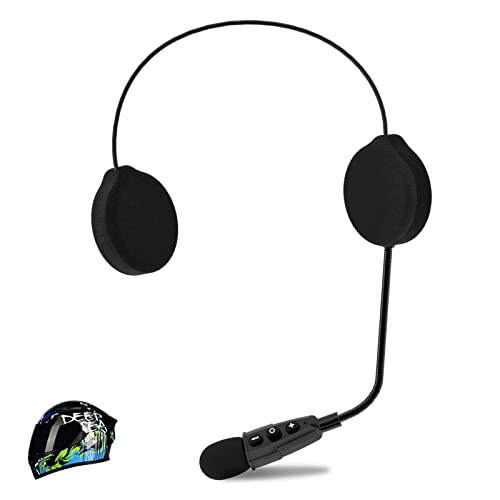
- Helmet headset
- What is a pitch calling watch?
- Watch or earpiece: what are the real trade-offs?
- When is a pitch calling watch the better choice?
- What are the downsides of a watch behind the plate?
- Are pitch calling watches legal?
- How do teams combine a watch and audio?
- Does MAVTRAX work with a watch?
- What setup do most youth and travel teams use?
- FAQ
Key takeaways
- Three things get called a "pitch calling watch": paper wristband cards, dedicated wrist-display receivers sold with some hardware kits, and smartwatch apps (Apple Watch or Wear OS) that show the call.
- Watch strengths: silent, readable twice, works in a loud stadium, nothing near the ear, and helpful for players who hear poorly.
- Watch weaknesses: the catcher glances at the wrist on every pitch, the throwing-hand wrist takes foul tips, and a smartwatch costs far more than a headset.
- Audio strengths: no glance at all, eyes stay on the pitcher and hitter, and a ~$13 helmet-mount headset is the only hardware.
- Rules: NFHS named earpieces, electronic wristbands and smartwatches as acceptable one-way devices to the catcher (baseball since 2024, softball since 2025). Check your league's current rules.
- Both, if you want: MAVTRAX sends a spoken call to the helmet headset and has an optional Catcher Watch receiver that also shows the call on an Apple Watch or Wear OS watch. Receive-only, one way.
A pitch calling watch shows the coach's call as text or an icon on the catcher's wrist; an earpiece speaks it into the helmet. Both are private, both are allowed as one-way devices at many levels, and both beat hand signs for security. The difference is where the catcher's attention goes. With a watch, the catcher looks down at the wrist on every pitch. With audio, the call arrives while the catcher is already setting up, eyes on the pitcher.
Neither is wrong. Watches win in some situations (very loud parks, players with hearing loss, teams that want a call they can re-read), and audio wins in others. This guide explains what is actually sold as a "pitch calling watch," lays out the trade-offs honestly, covers what the rules say about wrist devices, and ends with the setup most youth and travel teams choose. If you are still at the stage of comparing every system, start with our electronic pitch calling systems guide.
What is a pitch calling watch?
It is any wrist-worn way to show the catcher the called pitch. Coaches use the term for three different things:
1. Paper wristband cards. Not electronic at all: a laminated grid in a wristband. The coach flashes or calls a number, and the catcher looks it up. Cheap, legal everywhere, and still visual. Search options: pitch-calling wristbands on Amazon.
2. Dedicated wrist-display receivers. Some hardware pitch-calling kits sell a receiver worn on the wrist that shows the call on a small screen, alongside their audio receivers. The coach presses buttons on a keypad transmitter; the wrist unit displays the pitch. These are part of a dedicated kit, which starts around $999 (see our pitch calling system cost page).
3. Smartwatch apps. A pitch-calling app on the coach's phone sends the call to an app on the catcher's Apple Watch or Wear OS watch, which displays it (and usually vibrates). The watch does the receiving; the coach's phone does the calling.
What is not a pitch calling watch: the keypad transmitter some catchers wear on the wrist in pro ball. That is an input device for sending calls, not a display for receiving them. How those kits work is covered in how electronic pitch-calling hardware works.
Watch or earpiece: what are the real trade-offs?
A watch trades a glance on every pitch for silence and a call you can re-read; an earpiece trades a speaker in the helmet for zero glances.
| Wrist display or smartwatch | Helmet earpiece (audio) | |
|---|---|---|
| Catcher looks away? | Yes, a glance at the wrist each pitch | No |
| Loud stadium or crowd | Unaffected | Needs enough volume |
| Re-check the call | Stays on screen | Heard once (can be re-sent) |
| Players with hearing loss | Works | May not |
| Where it lives | Throwing-hand wrist | Inside the helmet |
| Hardware cost | Smartwatch or dedicated receiver, often hundreds | ~$13 helmet headset |
| Risk of damage | Foul tips and throws hit the wrist | Protected by the helmet shell |
The glance is the key cost. It is short, but it happens on every pitch, and it is the moment the catcher's eyes leave the pitcher and the hitter. For young catchers still learning to set up early, audio usually wins. For older catchers in loud parks, a watch can be the better primary device.
When is a pitch calling watch the better choice?
A watch is the better primary device in a few specific situations.
- Very loud environments. Big crowds, aluminum bleachers, music between pitches. A screen does not care about noise.
- Hearing. A catcher with hearing loss, or one who simply does not like sound near the ear, can read the call instead.
- Complex calls. Some teams want the pitch, the location and a defensive note shown together. Text is easier to parse than a long spoken sentence.
- A backup to audio. If the headset battery dies mid-game, a watch keeps the calls private instead of dropping back to hand signs.
- A catcher who already wears one. If your catcher owns an Apple Watch or Wear OS watch, the extra cost is zero.
If none of those apply, audio is usually simpler and cheaper.
What are the downsides of a watch behind the plate?
Wear location, cost and battery, in that order.
Wear location. The mitt hand is out; the watch goes on the throwing-hand wrist. That wrist takes foul tips, bounces off the chest protector on throws, and gets tucked behind the back with runners on. A rugged band and a screen protector help; a bumper case helps more.
Cost. A smartwatch costs a few hundred dollars new; dedicated wrist receivers come as part of a kit. A helmet headset is about $13. If the catcher already owns a watch, this point disappears.
Battery and connection. Smartwatch batteries are sized for daily wear, not doubleheaders with the screen waking every pitch. Charge fully before games, and test the watch's connection at your field, especially at complexes with weak signal.
Rules and equipment checks. NFHS explicitly named smartwatches as acceptable one-way devices for the catcher. Other organizations may treat watches differently under their equipment or jewelry rules, so confirm before relying on one.
Are pitch calling watches legal?
At the high school level, yes: when NFHS approved one-way devices to the catcher, it named earpieces, electronic wristbands and smartwatches as examples. That applies to baseball (since 2024) and softball (since 2025), with the same conditions as any device: a coach in the dugout, one-way only, the catcher only (pitchers are added in 2027), and on defense only.
Little League's 2025 rule allows one-way communication to the catcher and does not specify the device type in its summary; travel organizations set their own policies. Check your league's current rulebook and ask the tournament director if you are unsure. Level-by-level details: high school baseball, softball and youth baseball.
One practical point: a watch that sends anything back (a "got it" tap, a reply) would break the one-way rule. Use receive-only mode.
How do teams combine a watch and audio?
The common pattern is audio as the primary call and the watch as a silent confirmation or backup. It covers the weaknesses of each.
- Primary: the spoken call in the helmet, so the catcher never has to look down on a routine pitch.
- Confirmation: if the catcher is unsure what they heard (a crowd roar, a bat on the fence), a glance at the wrist settles it without a mound visit or a re-send.
- Backup: if the headset battery dies, the watch keeps calls private for the rest of the game.
- Loud games: some catchers switch to reading the watch first in playoff atmospheres and treat the audio as the backup.
Keep the rules in mind: both devices must be receive-only, and at NFHS and Little League levels both belong to the catcher only through 2026.
Does MAVTRAX work with a watch?
Yes, as an optional receiver. MAVTRAX's main call is audio: the coach taps pitch and location, and the catcher hears it in a helmet headset. The app also has a Catcher Watch feature. The coach turns it on to get a short code; the catcher opens MAVTRAX on an Apple Watch or Wear OS watch and enters the code, and each call then shows on the wrist as well as playing in the headset. It is receive-only: nothing goes back from the catcher.
For other watches, the catcher can open the MAVTRAX catcher screen on a phone with alerts on, and calls are mirrored to the paired watch as notifications. Treat the watch as a companion to the headset and test it at your field before relying on it alone.
The app is free on iPhone, Android and the web: get MAVTRAX.
What setup do most youth and travel teams use?
- MAVTRAX on the coach's phone: free, pitch type plus location, works offline once loaded, logs every call.
- A ~$13 ELIKIDSTO IPX7 helmet headset inside the catcher's helmet: thin pods velcro into the ear flap, one ear only, rated around 50 hours per charge. Install guide: mounting a headset in a catcher's helmet.
- Optional: the catcher's own Apple Watch or Wear OS watch on Catcher Watch as a silent backup.
- Optional step up: a slimmer Fodsports, Cardo or Sena helmet headset from our headset guide.
Avoid earbuds and bone-conduction headbands for the catcher. They come off with the helmet or need re-seating between innings.
For the coaching side (deciding and sequencing the calls), see how to call pitches from the dugout.
FAQ
What is a pitch calling watch?
A wrist-worn way to show the catcher the called pitch: a paper wristband card, a dedicated wrist-display receiver from a hardware kit, or a smartwatch app that receives calls from the coach's phone.
Is a watch or an earpiece better for pitch calling?
An earpiece is better when you want the catcher's eyes to stay on the field and the budget is tight. A watch is better in very loud parks, for players with hearing loss, or as a silent backup. Many teams use audio first and a watch as backup.
Are smartwatches legal for pitch calling in high school?
NFHS named smartwatches, earpieces and electronic wristbands as acceptable one-way devices to the catcher, in baseball since 2024 and softball since 2025. Confirm with your state association.
Can the catcher use an Apple Watch with MAVTRAX?
Yes. The Catcher Watch feature lets the catcher enter a code on an Apple Watch or Wear OS watch and see each call on the wrist while it also plays in the headset. It is receive-only.
Is there a pitch calling watch for softball?
The same options work for fastpitch: wristband cards, dedicated wrist receivers and smartwatch apps. NFHS softball allows one-way devices to the catcher, with pitchers added from 2027.
Do wrist displays slow the catcher down?
Slightly. The catcher glances at the wrist on each pitch, which is faster than a card lookup but slower than hearing the call while setting up.
What is the cheapest electronic pitch-calling setup?
A free app on the coach's phone and a ~$13 helmet-mount Bluetooth headset for the catcher. A smartwatch or dedicated kit costs considerably more.
We're the team behind MAVTRAX, a free pitch-calling app. This is a research guide: picks are chosen on manufacturer specs, league rules, build quality and real-world price, checked against live listings, not on who pays the highest commission. We haven't hands-on tested every product. Full criteria on how we pick.
The headset that makes it work
Every setup above ends in the catcher's helmet. These are the helmet-mount units we recommend, from our headset guide (install in 5 minutes: how-to). Live price on Amazon.