How Electronic Pitch-Calling Hardware Works: Transmitter, Receivers, Encryption and Range (2026)
A dedicated pitch-calling device is a small encrypted radio system: the caller presses a pitch button and a location button on a keypad transmitter, the transmitter sends a short coded signal, and every paired receiver plays a recorded voice call ("Fastball, down and in") through a speaker in the cap or helmet, or shows it on a wrist display. An app does the same job with a phone as the transmitter and a Bluetooth headset as the receiver. Here is how each piece works.
In this guide · 10 sections
- Gear for this
- What are the parts of a pitch-calling device?
- How does the signal get from the button to the earpiece?
- Is it encrypted, and can the other team hear it?
- What is the range of a pitch-calling device?
- How is it used in MLB?
- How does an app with a helmet headset do the same job?
- Dedicated hardware vs app: how do they compare technically?
- Is a pitch-calling device legal at your level?
- FAQ
Key takeaways
- Three parts: a keypad transmitter (worn on the wrist, leg guard or belt), one or more receivers with a small speaker (worn in the cap or helmet), and a charging case. Some kits add wrist-display receivers.
- The signal is a code, not a voice. The transmitter sends a short digital code; each receiver decodes it and plays a pre-recorded clip in the language or code words it has been set to.
- It is encrypted and paired. Only receivers paired to your transmitter can decode the call, so the other dugout cannot listen in.
- One press, many ears. A dedicated radio link lets one transmitter feed several receivers at once. In MLB that means the pitcher, catcher and up to three fielders.
- The app version: the phone stores the recorded calls and plays them over an encrypted Bluetooth link to a ~$13 helmet-mount headset. One caller, one catcher.
- Cost: dedicated starter kits run $999; an app route like MAVTRAX is free plus the headset.
A pitch-calling device works like a tiny private radio station with a keypad. The caller presses two buttons (pitch type, then location) on a transmitter. The transmitter sends a short, encrypted digital code. Every receiver paired to that transmitter decodes the code and plays a recorded voice clip, so the pitcher and catcher hear "Slider, low and away" in their cap or helmet a moment later. No hand signs, nothing to read from second base.
That is the design MLB approved for the 2022 season after minor-league testing in 2021, and the same idea now runs at college, high school and youth levels. This guide explains each component, how the encryption and range work, how the whole exchange flows on the field, and how a phone app with a helmet headset does the same job with different hardware. For costs, see our pitch calling system cost page; for whether to buy, see is a hardware pitch-calling system worth it?
The headset that makes it work
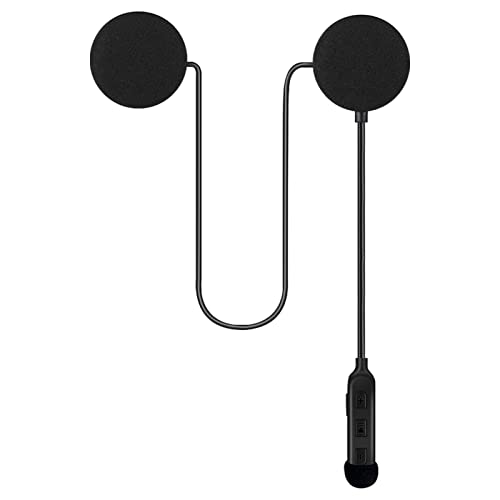
Every setup above ends in the catcher's helmet. These are the helmet-mount units we recommend, from our headset guide (install in 5 minutes: how-to). Live price on Amazon.



What are the parts of a pitch-calling device?
A dedicated kit has a transmitter, receivers and a way to charge and program them.
The transmitter. A small keypad, roughly the size of a large watch face or a card, worn where the caller can reach it without looking: on the catcher's wrist or leg guard, on a pitcher's glove or belt, or held by a coach. The MLB-standard design has nine buttons that combine pitch types and locations. The caller presses a pitch, then a location; some kits also have buttons for pickoffs or plays.
The receivers. Small units with a speaker, worn inside the cap for fielders and pitchers, and inside the helmet for catchers. They play the call as a spoken phrase. Receivers are set up ahead of time with a language and voice, and teams can swap pitch names for their own code words. MLB added an extension tube to bring the sound closer to the ear in loud parks.
Wrist displays. Some kits offer a receiver that shows the call as text on a wrist screen instead of, or as well as, speaking it. Useful in loud stadiums or for players who prefer to read. Trade-offs: pitch calling watch vs earpiece.
Charging and setup. The pieces are rechargeable and usually live in a charging case. Pitch labels, languages and pairings are configured before games.
How does the signal get from the button to the earpiece?
The transmitter sends a code, not audio. Here is the sequence:
- Button press. The caller presses pitch, then location.
- Encode. The transmitter turns that combination into a short digital message.
- Encrypt and send. The message is encrypted and broadcast over a short-range radio link that the maker controls.
- Receive and decode. Every receiver paired to that transmitter picks up the message and decrypts it. Receivers paired to a different team's transmitter ignore it.
- Play. Each receiver plays its own pre-recorded clip for that code, in the language or code words it is set to. Two players can hear the same call in two languages.
Because only a tiny code travels over the air, the call arrives almost instantly, and one press reaches every receiver at the same time. Sending codes instead of voice is also why the audio sounds the same every time: it is a recording, not a live microphone.
Is it encrypted, and can the other team hear it?
Yes, dedicated kits encrypt the signal, and receivers only respond to the transmitter they are paired with. Someone with a radio scanner might detect that a signal exists, but without the keys it is meaningless data. That is the core design goal: the call should be as private as a thought.
The weak point is not the radio; it is people. Teams still guard against a receiver being turned up so loud that a nearby hitter can hear it, and against a lost receiver ending up in the wrong hands, which is why pitch names can be replaced with code words.
What is the range of a pitch-calling device?
Dedicated kits are designed to cover a full field from the dugout or the catcher's position to every fielder. Makers do not always publish a single range number, and real-world range depends on the field, the dugout's walls and fences, and how the receivers are worn. If range matters for your park (a deep dugout, a bullpen call), check the maker's current specs and test before a game.
For comparison, a phone-to-headset Bluetooth link is designed for shorter distances. It works at typical dugout-to-plate distances with a good helmet headset, but dugouts at some fields sit 60 feet or more from home plate, so test from where your caller actually stands.
How is it used in MLB?
In MLB, the catcher usually wears the transmitter and calls the pitch; the pitcher and up to three other fielders wear receivers. Since 2023 pitchers may also wear a transmitter and call their own pitches. MLB's original guidelines supplied each club with a set number of transmitters and receivers and capped how many could be in use.
Typical MLB flow:
- The catcher (or pitcher) presses the call.
- The pitcher hears it in the cap; the middle infielders and center fielder may hear it too, which helps with positioning.
- If the pitcher wants something else, he can press a different call himself.
That is why you see fewer shake-offs and almost no long sign sequences in big-league games. More on who wears what at each level: do pitchers wear earpieces?
How does an app with a helmet headset do the same job?
It replaces the keypad with a phone and the receiver with a Bluetooth headset, and keeps the same idea: a short recorded call delivered privately to the player's ear.
- The phone is the transmitter. The coach taps pitch type and location in MAVTRAX, a free app for iPhone, Android and the web.
- The audio is pre-recorded on the phone. Like a dedicated kit, the app plays a stored clip rather than streaming a voice, which is why it is fast and works offline once loaded.
- Bluetooth is the radio. The phone sends the clip to a paired headset. Connections between paired Bluetooth devices are encrypted by the Bluetooth standard, so a stranger cannot listen in.
- The headset is the receiver. A motorcycle-style helmet headset has a thin speaker pod that velcros inside the catcher's helmet over one ear. Our pick is the ELIKIDSTO IPX7 helmet headset at about $13, rated around 50 hours per charge. Install guide: mounting a headset in a catcher's helmet.
The main technical difference is topology. A dedicated kit is built for one transmitter to many receivers. Standard Bluetooth audio is one phone to one headset, which is why app-based calling is typically coach to catcher, with the catcher relaying one sign to the pitcher. That happens to match the current NFHS and Little League rules, which allow calls to the catcher only (NFHS adds pitchers from 2027).
The app also adds things a keypad does not: a pitch log by pitcher, Live Talk (press and hold to speak), and cheap replacement parts. Avoid earbuds and bone-conduction headbands for catchers; they come off with the helmet or shift between innings.
Dedicated hardware vs app: how do they compare technically?
| Dedicated hardware kit | App + helmet headset | |
|---|---|---|
| Input | Physical keypad, press by feel | Touchscreen, two taps |
| Radio link | Proprietary, encrypted | Bluetooth, encrypted pairing |
| Receivers per call | Several at once | One headset (catcher) |
| Audio | Pre-recorded clips, set language | Pre-recorded clips, plus Live Talk |
| Where it is worn | Receiver in cap or helmet | Pod velcroed inside the helmet |
| Phone in the dugout | Not needed | Needed |
| Pitch log | Not the focus | Automatic |
| Cost | $999 starter kit | Free app + ~$13 headset |
Full head-to-head: pitch calling app vs hardware. The whole category with rules by level: electronic pitch calling systems guide.
Is a pitch-calling device legal at your level?
At many levels, yes, as a one-way device. MLB since 2022. NCAA one-way devices since the 2021 to 2022 year, with baseball expanding their use in 2025. NFHS high school baseball since 2024 and softball since 2025, from a coach in the dugout to the catcher only (pitchers added in 2027). Little League since 2025, to the catcher only. Travel events vary. Neither NFHS nor Little League requires a particular device, so a dedicated kit and an app are both options where the rule applies. Check your league's current rules before game day.
FAQ
How does a pitch-calling device work?
The caller presses a pitch and a location on a keypad transmitter. It sends a short encrypted code over radio to paired receivers, which play a pre-recorded voice call through a small speaker in the cap or helmet, or show it on a wrist display.
Where do players wear the earpiece?
In MLB, pitchers and fielders wear a small receiver inside the cap and catchers wear one in the helmet. With an app setup, the catcher's speaker pod is velcroed inside the helmet over one ear.
Can the other team hack or hear the calls?
Dedicated kits encrypt the signal and receivers only respond to their paired transmitter. Bluetooth links between paired devices are also encrypted. The practical risks are volume loud enough for a hitter to hear, and lost receivers.
Does it use Bluetooth?
Dedicated kits use their own encrypted radio link, which lets one transmitter reach several receivers at once. App-based systems like MAVTRAX use Bluetooth from the phone to the catcher's headset.
How many buttons does the transmitter have?
The design used in MLB has nine buttons that combine pitch types and locations. Other kits vary.
Can a pitch-calling device speak different languages?
Yes. Receivers can be set to a language, so two players can hear the same call in different languages. Teams can also use their own code words for pitches.
What is the cheapest way to get the same capability?
A free app on the coach's phone plus a ~$13 helmet-mount Bluetooth headset for the catcher. Dedicated kits start at $999.
We're the team behind MAVTRAX, a free pitch-calling app. This is a research guide: picks are chosen on manufacturer specs, league rules, build quality and real-world price, checked against live listings, not on who pays the highest commission. We haven't hands-on tested every product. Full criteria on how we pick.