The Best Knee Savers & Knee Protection for Catchers (2026)
A catcher squats 150+ times a game. Knee savers are the cheapest insurance in the gear bag — here are the ones that actually fit youth shin guards, plus the under-gear sleeves that keep young knees happy through doubleheader weekends.
In this guide · 10 sections
- Helmet headset
- At a glance
- Do knee savers actually work? The honest answer
- How to fit knee savers: size by the shin guard, not the kid
- Are knee savers legal? Quick league-rules check
- When to replace what: the knee-gear schedule
- The complete knee-care setup for under $50
- Save the knees AND the signs
- Also worth a look
- FAQ
Quick picks
Our top recommendations — full reviews below.

Key takeaways
- Knee savers attach to the shin guards, not the knees — they wedge support behind the knee in the deep squat.
- The sports-medicine consensus: they reduce strain in the deepest squat — myths about them 'weakening knees' aren't supported.
- Fit is by shin-guard size, not age: youth guards take small wedges — measure before you buy.
- Under $35 covers the best option on the market. This is not a category to over-spend.
- The wedges last 2–3 seasons; the laces are the wear item — re-knot every spring and you're done with maintenance.
- Pair the wedge with a $12 compression sleeve under the gear and the whole knee-care setup costs less than $50.
Do the math on a catcher's knees: 6 innings, 20+ pitches an inning, plus warmup tosses between — a youth catcher hits a deep squat well over 150 times in a single game, then does it again in game two of the doubleheader. Knee savers — the padded wedges that strap to shin-guard harnesses — exist to support exactly that position.
They're also the most argued-about $30 in baseball. We'll give you the honest version: what they actually do, what the sports-medicine folks say, and which ones fit youth gear properly.
At a glance
| Pick | Best for | Price* | ||
|---|---|---|---|---|
| Easton Catcher's Knee Savers | The standard — best overall | ~$33 | View → |
 | Champro Catcher's Knee Support (Youth) | Best budget pick for youth guards | ~$17 | View → |
 | Champion Sports Cushioned Knee Support | Most cushion in the squat | ~$25 | View → |
 | KARM Youth Knee Compression Sleeves (Pair) | Under-gear support on doubleheader days | ~$12 | View → |
*Prices at time of writing — they move; check the listing.
Easton Catcher's Knee Savers
~$33
When coaches say "knee savers," they mean these. Easton's wedges are the category original: dense foam blocks that lace into the shin-guard straps and slot behind the knee joint, so in the deepest squat the catcher is resting on support instead of hanging on the joint.
Long-term, owners report the same pattern over and over: the dense foam keeps its shape across multiple seasons of travel ball, and the only thing that actually wears out is the laces. Re-knot them at the start of every spring — or swap in a foot of paracord, which outlasts the stock laces by years — and the wedges themselves just keep going. Plenty of these get handed down from one sibling catcher to the next.
One thing parents worry about that they shouldn't: legality. Knee savers are standard equipment at every level of the game — Little League, travel, high school, college, the pros. Umpires see them on half the catchers on any given field and never give them a second look. They attach to the guards, not the body, so they don't interact with any uniform or equipment rule.
They survive seasons of abuse, the foam doesn't compress out, and they move with the catcher instead of fighting the squat. The boring, correct choice.
- The proven original — decades of catchers
- Dense foam keeps its shape
- Laces into any standard shin guard
- Sized for youth through adult
- Takes one practice to stop noticing them
- Cheap imitations look identical — check the brand
Champro Catcher's Knee Support (Youth)
~$17
Champro's version does the same job at half the price, in a youth sizing that fits the smaller shin guards 8U–12U catchers actually wear. The foam is slightly softer than Easton's — younger, lighter catchers honestly won't feel the difference.
The honest durability picture: under a heavy travel schedule the softer foam starts to compress noticeably after about a season, where the Easton wedge is still going strong. At a rec-league cadence — one or two games a week — owners report two-plus seasons without a complaint. Match the pick to the schedule, not the kid.
The other place these shine is the team gear bag. At $17 a pair you can stock shared catcher's gear for two or three kids who rotate behind the plate, lace a set into each shared shin guard, and never think about it again. If you're outfitting a rec-league catcher, a kid trying the position for the first time, or a whole team's bag, this is the smart money. Step up to the Eastons when your catcher is squatting four games every weekend.
- Half the price of the name brand
- Real youth sizing for small guards
- Light — young catchers barely notice them
- Easy lace-in
- Softer foam compresses sooner under heavy use
- Big catchers will outgrow them fast
Champion Sports Cushioned Knee Support
~$25
Champion's take adds a softer, thicker cushion top — the wedge a catcher actually sits onto in the rest squat between pitches. For kids who park in a deep squat through long innings (and for the bullpen catcher warming three pitchers a day), that extra give is noticeably easier on the legs.
The trade is durability: more cushion means the foam works harder, and owners consistently report the plush layer packing down before the dense base does. That's not a defect — it's the design doing its job — but plan on these being a one-to-two-season item under serious volume, versus the multi-season Easton.
At $25 sitting between the Champro and the Easton, the buying logic is simple: pick it when comfort is the complaint you're solving. The kid who loves catching but groans about long innings, the catcher coming back from a growth-spurt summer where everything aches a little — this is the wedge that makes the squat feel like sitting down.
- Plushest squat of the three
- Ergonomic shape sits naturally behind the knee
- Solid mid price
- Cushion foam wears faster than dense wedges
- Slightly bulkier look
KARM Youth Knee Compression Sleeves (Pair)
~$12
The other half of knee care happens under the shin guards: a light compression sleeve keeps the joint warm between innings and adds gentle support through tournament weekends. These youth-sized pairs fit under catcher's gear without bunching, and at $12 they live in the bag year-round.
Where these earn their spot is the cold-weather tournament: early-spring ball where the catcher sits through a 45-minute offensive inning and then has to fire back into the squat. Keeping the joint warm through that dead time is exactly what a thin sleeve does, and it's why you'll see them on tournament catchers far more than rec ones.
Care is the whole maintenance story — throw them in the wash after every tournament (air dry, the dryer kills the elastic) and replace the pair when the cuff stops gripping. At this price most families just keep a second pair in the bag, which also solves the inevitable single-sleeve disappearance.
- Fits under shin guards cleanly
- Keeps knees warm between innings
- Youth sizes that actually fit
- Cheap enough to buy a spare pair
- Mild support only — that's the design
- Kids lose them constantly (buy two pairs)
Do knee savers actually work? The honest answer
The persistent myth is that knee savers "make knees lazy" or weaken legs. The biomechanics say otherwise: in the deepest rest squat, the wedge transfers load off the fully-flexed knee joint and into the supporting pad — that's strain that simply doesn't accumulate. Catchers still squat, still fire up to throw, still do all the athletic work; the wedge only matters at the very bottom of the position. For a growing 10-to-14-year-old squatting 300+ times every weekend, the case is simple: less cumulative strain on developing joints, for $33.
The second myth — "they slow down the pop time" — comes from seeing wedges laced wrong. Strapped through both harnesses and cinched tight, a wedge does restrict the legs. Laced loose through the top strap only, the way every manufacturer intends, it swings clear the instant the catcher drives up out of the squat. If your catcher feels slower with them on, fix the lacing before you blame the wedge.
And the third — "real catchers don't wear them" — just isn't true. Watch any big-league broadcast and count the wedges; plenty of pro catchers wear them by choice, with access to any equipment and training staff in the world. There's a reason you see them on every travel-ball field in America.
How to fit knee savers: size by the shin guard, not the kid
Knee savers attach to the shin guard, so the shin guard is what you measure — age charts will steer you wrong on a tall 11-year-old or a small 13-year-old. The two-minute framework:
- Measure the guard, from the center of the knee cap to the bottom of the ankle flap. 12" and under takes a Small wedge; 13"–15.5" takes a Medium.
- Lace through the top harness strap only. The wedge should hang with visible play when the catcher stands — that swing is what keeps it out of the way of blocking and throwing.
- Run the two-finger test. With the catcher in a deep squat, you should be able to slide two fingers between the lace and the strap. Tighter than that and the wedge fights the legs instead of supporting them.
One more fit note parents miss: when the shin guards get replaced (and growing catchers replace them every season or two), re-check the wedge size. A Small wedge on a new intermediate guard sits too low to do its job — it supports the calf, not the knee.
Are knee savers legal? Quick league-rules check
Short answer: yes, everywhere we know of. Knee savers are standard, accepted equipment from Little League through high school federation ball, college, and the pros — they attach to the guards rather than the body and don't touch any uniform rule. Umpires see them constantly and don't question them.
That said, youth-league rulebooks vary by organization and change year to year, so the smart play before any new season is a 5-minute read of your specific league's equipment section — the same read that confirms throat-guard and helmet requirements. What you're checking isn't really "are wedges allowed" (they are) but whether your league has equipment-condition language: a few organizations require that attached gear be securely fastened and in good repair, which is one more reason to re-knot those laces every spring.
When to replace what: the knee-gear schedule
Knee gear is refreshingly low-maintenance, but it isn't immortal. The schedule that keeps the whole setup working:
- Laces — every season. They're the wear item. Re-knot or replace each spring; paracord upgrades last years.
- Wedges — every 2–3 seasons, or sooner if they fail the thumb test: press a thumb hard into the foam, and if the dent stays instead of springing back, the foam is done supporting anything.
- Compression sleeves — when the cuff quits gripping. Usually one season of regular washing. They're $12; just replace the pair.
- The trigger nobody plans for: new shin guards. A guard size change usually means a wedge size change — check the fit the same day.
Toss the whole checklist in your phone for the week before tryouts and the maintenance side of this category takes ten minutes a year.
The complete knee-care setup for under $50
This is the cheapest complete protection story in baseball, so here's the actual math. The full setup: Easton wedges (~$33) plus a pair of youth compression sleeves (~$12) — about $45 total, and you're covered for the deep squat, the cold-morning warmup, and the doubleheader weekend. The budget version for a rec-league or first-season catcher: Champro youth wedges (~$17) plus the same sleeves — about $29 all-in, less than most batting gloves.
Either way, you'll spend more on tournament parking this season than on everything in this guide. If your catcher squats real innings, there's no version of this math that says skip it.
Save the knees AND the signs
While you're protecting the squat, protect the call too: MAVTRAX sends the pitch call from the coach's phone straight to the catcher's ear — no decode-the-wristband crouch-marathons, no signs for the other team to steal. Fewer wasted squats between pitches, faster innings, fresher knees in game two. And the app costs exactly nothing — MAVTRAX is 100% free.
Also worth a look
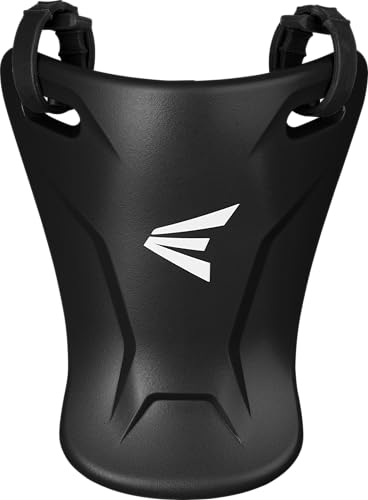 Easton Throat Guard 3.0The other $15 add-on every league asks about — finishes the mask the way wedges finish the guards.~$15 · View on Amazon →
 EvoShield Catcher's Thumb GuardKnees handled — the glove-hand thumb is the next thing every catcher complains about.~$25 · View on Amazon →
 Hockey-Style Catcher's HelmetIf the shin guards are due for replacement, the helmet usually is too — start the kit check here.~$92 · View on Amazon →
 Complete Youth Catcher's SetOutfitting from zero? A full youth set plus wedges covers head to ankle in one order.~$120–$200 · View on Amazon →
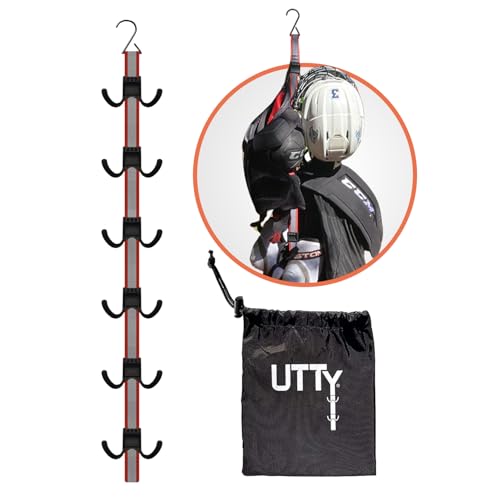 UTTY Portable Gear Drying RackSweat-soaked harness straps eat laces — a $30 drying rack stretches every soft good in the bag.~$30 · View on Amazon →
 SUPRANICE Wheeled Catcher's Gear BagAll this gear has to get to the field somehow — wheels beat shoulders on doubleheader days.~$60 · View on Amazon →
FAQ
At what age should a catcher start wearing knee savers?
As soon as they're catching full games regularly — typically 8U–9U. They attach to the shin guards, so the only requirement is shin guards that fit properly. Youth-size wedges fit youth-size guards.
Do knee savers weaken a catcher's legs?
No credible evidence supports this. The wedge only bears load in the deepest rest squat; all the athletic movement — popping up, blocking, throwing — still works the legs fully. The myth conflates resting support with skipping exercise.
How do knee savers attach?
They lace into the shin-guard harness straps behind the knee — most catchers lace through the top strap only, keeping the wedge loose enough to move naturally. No modification to the guards needed, 10 minutes with the included laces.
What's the difference between knee savers and compression sleeves?
Knee savers are external wedges on the shin guards that support the deep squat. Compression sleeves go under the gear for warmth and mild joint support. They solve different problems and plenty of catchers wear both on tournament weekends.
Are knee savers allowed in Little League, travel ball, and high school?
Yes — they're standard, accepted equipment at every level, and umpires see them on catchers constantly. Rulebooks do vary by organization and year, so give your league's equipment section a quick read before the season, but knee savers themselves are not a restricted item anywhere we're aware of.
Will knee savers fit any brand of shin guards?
Almost always. They lace into the standard harness straps that every major shin-guard brand uses, so an Easton wedge fits an All-Star or Rawlings guard without issue. The thing that has to match is size — a 12-inch-and-under guard takes a Small wedge, intermediate guards take a Medium.
How long do knee savers last?
The dense wedges typically run 2–3 seasons even under travel-ball volume; the laces are the real wear item and should be re-knotted or replaced each spring. Replace the wedge when a hard thumb press leaves a dent that doesn't spring back — that's the foam telling you it's done.
My catcher says knee savers feel weird — should we give up on them?
Give it one full practice first — nearly every catcher stops noticing them within a session. If they still complain, check the lacing: wedges strapped through both harnesses or cinched tight genuinely do feel restrictive. Laced loose through the top strap only, they swing clear of every athletic movement, and that fix solves the complaint almost every time.
We're the team behind MAVTRAX — pitch-calling software used by baseball and softball teams from 9U travel ball up. We spend our days around dugouts, gear bags and tournament weekends. Picks are chosen on specs, durability for youth-sports abuse, real-world price, and owner feedback — not on who pays the highest commission. Full criteria on how we pick.