The 6 Best Catcher Training Tools: Blocking, Receiving & Game Speed (2026)
Catching is the most skill-dense position on the field, and almost nobody trains it directly. Six tools that build soft hands, fearless blocking, and quick eyes — in the backyard, for less than the cost of one private lesson.
In this guide · 10 sections
Quick picks
Our top recommendations — full reviews below.

Key takeaways
- Catchers get the fewest position-specific reps at team practice — backyard tools close the gap.
- A pancake glove is the single highest-value receiving trainer: it forces two-hand, center-palm catches.
- Soft/weighted training balls let kids attack blocking drills without fear — fear is the real skill ceiling.
- Three 20-minute sessions a week beat one weekend marathon — catching skills are rhythm skills.
- Everything here fits in one bucket and costs less than one month of private lessons.
- The 9-hole net and strike-zone target turn the same yard into battery practice — pitcher and catcher improving together.
Team practice is built around hitting and fielding. The catcher squats through all of it, takes a hundred pitches — and gets maybe ten minutes of actual catching instruction a month. Meanwhile the position demands its own skills: receiving without stabbing, blocking without flinching, transferring without fumbling.
The good news: catching skills respond beautifully to short backyard sessions. These six tools cover the whole skill tree, most of them under $35.
At a glance
| Pick | Best for | Price* | ||
|---|---|---|---|---|
| Rawlings GREAT HANDS Pancake Training Glove | Soft hands & clean receiving | ~$32 | View → |
 | GoSports Weighted Training Baseballs (2.8") | Blocking drills without the bruises | ~$20 | View → |
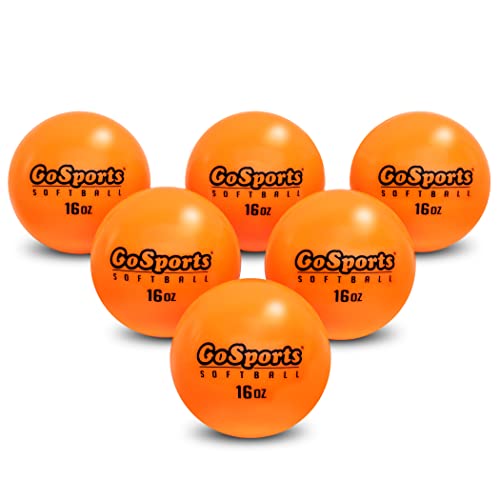 | GoSports Weighted Training Softballs (3.82") | The fastpitch version | ~$28 | View → |
 | SKLZ Reaction Ball | Reflexes & bare-hand quickness | ~$12 | View → |
 | Bearwill 9-Hole Pitching Net with Strike Zone | Battery practice — pitcher AND catcher | ~$63 | View → |
 | Strike Zone Target (Fence-Hang) | Budget location training anywhere | ~$12 | View → |
*Prices at time of writing — they move; check the listing.
Rawlings GREAT HANDS Pancake Training Glove
~$32
The pancake is the oldest trick in infield coaching, and it's even better for catchers: a flat, pocketless pad that makes one-handed stabbing impossible. Every catch has to be received in the center of the palm with two hands working together — exactly the habit that makes a receiver instead of a ball-stopper.
Progress it by age: 8U–9U starts on two knees from 10 feet with tennis balls, just learning to give with the ball. By 11U–12U the catcher works from the full crouch with real baseballs, sticking each catch for a one-second hold. 13U and up adds the transfer — receive on the pancake, exchange to bare hand, simulate the throw. Same tool, three years of progression.
The mistake that wastes pancake reps is tossing too hard too soon. The pad punishes reaching, so the kid who gets fired 60 mph day one just learns to dodge. Keep tosses soft enough that the catcher can let the ball travel deep and beat it with hands, not reflexes — speed comes after the pattern is automatic.
Rawlings' version is real glove leather, so it survives being the most-used trainer in the bag. Coaches report it migrating around the infield at team practice — which is fine, because it builds the same two-hand habit at every position.
- Forces correct two-hand receiving
- Works for infielders too — whole-team tool
- Real leather, lasts years
- Drills take 10 minutes a day
- Humbling at first — warn the kid
- One size; small 7-year-old hands swim in it
GoSports Weighted Training Baseballs (2.8")
~$20
The reason young catchers turn their head on balls in the dirt isn't technique — it's self-preservation. These soft-shell weighted balls take the pain out of the equation: full blocking reps, real ball-weight behavior in the dirt, zero bruises. Fear leaves, technique stays.
Start close with bounced tosses, catcher in full gear, chin tucked. Because they don't sting, kids attack the ball instead of surviving it — and that aggression is the entire skill. Once a kid is killing 16 of 20 from short range, back the tosser up five feet or mix in real baseballs one out of five, never all at once.
The common form mistake these balls expose: dropping the glove between the legs after the knees hit, instead of leading with it. With the fear gone, a parent can call it out mid-rep and the kid can actually fix it instead of bracing. They also pull double duty as hitting trainers off the tee, which is why this set shows up twice in our guides.
- Removes fear from blocking practice
- Weighted to bounce like real balls
- Safe for backyard and garage
- Also double as hitting trainers
- Not for live-velocity machine work
- Softer shells scuff on concrete
GoSports Weighted Training Softballs (3.82")
~$28
Same idea, sized for fastpitch: 3.82" soft-shell training balls that match the 12" softball's footprint so blocking angles and rebound reads translate directly to games. Drop balls in the dirt are a fastpitch catcher's daily reality — train them somewhere that doesn't hurt.
The fastpitch blocking pattern is its own skill (the ball arrives on a different plane off the windmill), so softball catchers should train with softball-sized tools, not baseball hand-me-downs. A baseball reads smaller and bounces tighter; train on the wrong size and the in-game rebound surprises her every time.
For 10U catchers brand-new to blocking, start on two knees with the balls rolled, not bounced — pure chest-and-chin shape work. Graduate to bounced tosses from the crouch only after the kneeling shape holds for 10 straight reps. Rushing this step is the number-one way fastpitch parents waste a season of blocking practice.
- True softball sizing — drills transfer
- Painless blocking reps
- Visible optic styling
- Set covers a full drill session
- Pricier than the baseball set
- Same concrete-scuffing caveat
SKLZ Reaction Ball
~$12
A six-knobbed rubber ball that bounces unpredictably — the simplest reflex trainer ever made. For catchers it earns its spot building the hand speed that shows up on foul tips, short hops, and bare-hand plays at the plate.
No partner? Throw it against a garage wall or the bottom of a rebounder and field the carom — the ball's knobs make every return a new read. Solo catchers can run a 50-catch wall session in five minutes, and because every bounce is random, it never becomes a memorized pattern the way machine reps do.
Progress it by shrinking the reaction window: start standing, then kneel, then sit on your heels in the catcher's secondary stance. Each level steals distance from the eyes. By the time a 12U catcher is snagging one-bounce drops from the squat, foul tips in games look slow — which is the whole point.
- Trains pure reaction speed
- Fits in a pocket, travels everywhere
- Fun enough kids do it unprompted
- $12
- Needs hard ground for clean bounces
- One drill's worth of variety — pair with others
Bearwill 9-Hole Pitching Net with Strike Zone
~$63
A 9-pocket target net that turns solo pitching practice into location work — and quietly doubles as catcher framing practice when the catcher sets up behind it reading which pocket the pitch attacks. For the families with both a pitcher and a catcher (most catcher families, somehow), it's one purchase serving the whole battery.
Velocity is fun, but location wins youth games. A net with nine pockets makes every backyard session about hitting spots.
Setup notes from owners: assembly is genuinely a two-person job the first time, and the light frame wants tent stakes or sandbags in any wind. Once staked, it lives outside for a season fine. Families who park it against a fence line report it becoming the default "go throw" destination — which is the entire return on investment.
- Turns pitching reps into location reps
- Catcher can train reads behind it
- No catcher needed for pitcher practice days
- Folds flat for the car
- Assembly is a two-person job
- Light frames blow over — stake it down
Strike Zone Target (Fence-Hang)
~$12
The $12 version of location practice: a strike-zone target that hangs on any chain-link fence or net. Throw at zones, call your spots, track hits. It's not fancy — it's a visual target that makes every throw purposeful, which is the entire point.
It travels too: clip it to the dugout fence for pregame, the hotel-adjacent ballfield at tournaments, the gym wall net in winter. The grommets are the wear point, so reinforce them with a zip tie from day one and the target outlives the season.
Calling locations out loud is also a stealth introduction to game thinking — it's exactly how coaches call games with MAVTRAX on game day, so a kid who's spent a summer naming spots already speaks the language.
- Hangs anywhere in 30 seconds
- Makes casual catch purposeful
- Survives being thrown at, a lot
- $12
- No ball return — you're collecting
- Grommets are the wear point
The 20-minute backyard catcher session
Here's the practice plan that uses all of it: 5 min pancake receiving (50 tosses, all quadrants) → 5 min blocking with soft weighted balls (10 center, 5 each side) → 5 min reaction ball bare-hand drops → 5 min framing low strikes off the target net. Twenty minutes, three sessions a week, and the difference shows up in games within a month. The secret about catching: almost nobody trains it, so the kid who does laps the field.
One scheduling trick that keeps it alive: anchor sessions to something that already happens — right after homework Tuesday and Thursday, Saturday morning before cartoons. Catching practice that floats on the calendar evaporates; practice welded to a routine survives the whole season.
Age-by-age: what to train when (8U → 14U)
The tools don't change much across ages — the emphasis does. A rough ladder that travel-ball instructors follow:
- 8U–9U: receiving only. Pancake tosses on two knees, tennis balls, everything soft and close. The win is a kid who loves catching and gives with the ball instead of stabbing.
- 10U–11U: add blocking with soft weighted balls (kneeling shape first, then the crouch) and reaction-ball hands. Receiving moves to the full crouch with real baseballs.
- 12U: add the transfer — pancake catch to bare-hand exchange — and start framing work on the low strike off the target net. This is the age where soft hands either get built or don't.
- 13U–14U: everything at game tempo. Blocking circuits scored and timed, framing with a partner calling pockets, pop-time exchanges measured. The backyard work becomes indistinguishable from a private lesson — except it happens three times a week.
The pattern: receive, then block, then transfer, then frame. Skipping ahead is the classic mistake — a 10U doing pop-time work before owning the catch is rehearsing fumbles.
How to know it's working
Catching progress is sneaky-measurable. Four checkpoints parents can track without any equipment:
- Blocking kills per 20: balls in the dirt that die within arm's reach. New catchers kill 8–10 of 20; a month of circuits pushes that to 15+.
- The quiet glove: film ten receives on a phone in slow-mo. Early on the glove swims and stabs; you're looking for a glove that beats the ball to the spot and barely moves after the catch.
- Head position on blocks: the chin tucks and the eyes follow the ball down instead of flinching away. When the head stays down without being reminded, fear has officially left the building.
- Game carryover: the real scoreboard — fewer wild-pitch advances, more borderline strikes kept in the zone. Coaches notice this before parents do, so ask.
Mistakes that waste catcher reps
Throwing too hard too soon tops the list — pain reinstalls the flinch you spent weeks removing, so velocity graduates last, not first. Marathon sessions are second: forty minutes in the crouch teaches sore knees, not soft hands, and a kid who dreads the session stops asking for it. Keep it to twenty and end on a win.
Third: random reps with no count. Ten blocks "until we're done" trains half as well as twenty scored blocks chasing yesterday's number — kids are wired for scoreboards, so give every drill one. And finally, practicing only the fun stuff: receiving feels good and blocking doesn't, which is exactly why the average backyard ratio runs backwards. Two blocking sessions for every one of anything else until the dirt ball is boring.
Indoor & winter adaptations
Every drill here survives winter. The pancake and reaction ball were practically made for basements and garages; the soft weighted balls won't mark drywall the way real baseballs do (a tarp behind the tosser buys peace of mind anyway). Hang the strike-zone target on a gym wall net or over a mattress propped against the garage wall and location work continues year-round.
The one adjustment: hard floors are unforgiving in the crouch, so a folded moving blanket or a cheap foam mat under the catcher saves knees and keeps the session length intact. Catchers who train through January show up to February tryouts a visible tier ahead — winter is when backyard catchers pass the lesson-only kids.
Train the skills. Game the calls.
All this training builds a catcher who can execute any call — and MAVTRAX is how the call gets there. Coach taps pitch + location on a phone; catcher hears "curveball, low and away" instantly in a Bluetooth earpiece. Practice the spots all week, hit them on Saturday. The app is 100% free and works with any Bluetooth headset.
Also worth a look
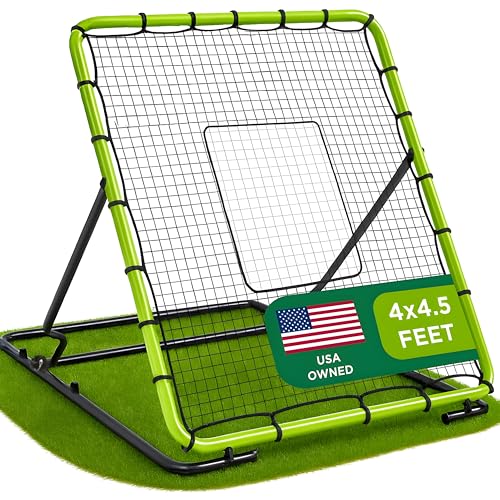 Pitchback Rebounder NetSolo blocking and receiving station when there's no tosser — set the angle low.~$90 · View on Amazon →
 Easton Catcher's Knee SaversThree 20-minute crouch sessions a week add up — save the knees early.~$33 · View on Amazon →
 Rawlings Renegade 32.5" Catcher's MittThe pancake builds the hands; a properly sized mitt is where the skill lands.~$58 · View on Amazon →
 EvoShield Catcher's Thumb GuardCheap insurance once receiving reps move to real velocity.~$25 · View on Amazon →
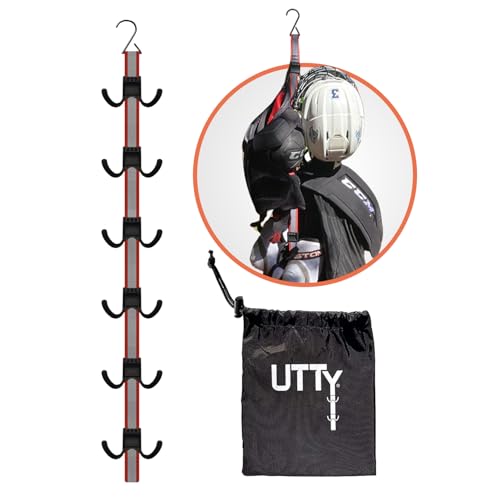 UTTY Portable Gear Drying RackDaily training means daily sweat — gear that dries overnight lasts seasons longer.~$30 · View on Amazon →
 Low-Profile IPX7 Clip SpeakerThe budget earpiece most coach-pitch-callers start with on game day.~$15 · View on Amazon →
FAQ
What's the single best training tool for a young catcher?
The pancake glove. Receiving is the skill catchers use on every single pitch, and the pancake forces correct two-hand, center-palm technique automatically. Add soft weighted balls for blocking as the second purchase.
How do I teach blocking without my kid getting hurt?
Soft-shell weighted training balls, full gear, short bounced tosses from 15 feet. Pain is what teaches flinching — remove it and kids learn aggressive chest-down blocking remarkably fast. Graduate to real balls only after the movement is automatic.
Are these drills different for fastpitch catchers?
The principles match; the geometry differs. Fastpitch catchers should use softball-sized training balls (the blocking angles transfer correctly), and train low-pitch framing heavily — the rise/drop game lives at the zone's edges.
How often should a catcher train outside practice?
Three 20-minute sessions a week beats one marathon. Catching skills are rhythm skills — frequent short reps build them; occasional long grinds just build sore knees. Keep sessions short enough that the kid asks to do them again.
Does my kid need full gear for backyard blocking drills?
Yes for anything bounced toward the body — chest protector, mask, and a cup at minimum, even with soft training balls. Full gear keeps the brain relaxed, and a relaxed catcher learns aggressive technique. The only exceptions are kneeling shape work with rolled balls and pancake receiving, which are fine gearless.
Can a catcher do these drills alone, without a parent to toss?
Mostly yes. The reaction ball works solo off any wall, the strike-zone target turns solo throwing into location work, and a rebounder net set at a low angle feeds blocking and receiving reps with nobody else home. Only the pancake quadrant work and scored blocking circuits really want a tosser.
My kid turns their head on every ball in the dirt — where do I start?
Start below the fear: two knees, no bounce, just rolling soft training balls into the chest so the only job is chin tuck and shape. Add the bounce once the head stays down ten reps straight, then add the crouch. Most kids shed the flinch in two or three weeks once nothing in practice actually hurts.
We're the team behind MAVTRAX — pitch-calling software used by baseball and softball teams from 9U travel ball up. We spend our days around dugouts, gear bags and tournament weekends. Picks are chosen on specs, durability for youth-sports abuse, real-world price, and owner feedback — not on who pays the highest commission. Full criteria on how we pick.