How Much Does Travel Baseball Really Cost? (2026 Parent's Budget Guide)
Travel baseball typically costs $2,000 to $6,000 per player per year once everything is counted, with $3,000 to $4,000 the most common all-in number for a regional program. The team fee ($1,000 to $3,000 is typical) is only part of it: tournaments, hotels, gear, uniforms and lessons stack on top. Here is the full line-item budget, costs by age and program tier, three sample family budgets, and where veteran families save.
In this guide · 18 sections
- Helmet headset
- How much does travel baseball cost per year? The full budget
- Travel baseball cost by program tier
- How does the cost change by age?
- What does the travel baseball team fee cover?
- Tournament costs: entry fees, gate fees and the extras
- Travel and hotel costs: the line that blindsides families
- Gear costs: the growing-kid tax
- Lessons, training and winter workouts
- Showcase and recruiting costs (15U to 18U)
- Sample budgets: three real-world families
- Travel baseball vs rec league: the cost difference
- Hidden costs first-year families miss
- How families pay for travel baseball
- Questions to ask before you commit to a program
- Where veteran families actually save
- Is travel baseball worth the money?
- FAQ
Key takeaways
- Typical all-in range: $2,000 to $6,000 per year for a competitive regional travel program. Local "select" teams can come in under $1,500; national-schedule and showcase programs can run $8,000 to $15,000 or more.
- The team fee is the down payment, not the total. It commonly runs $1,000 to $3,000 and usually covers tournament entries, uniforms, insurance and field time. Travel, hotels, gear and lessons are on the family.
- Hotels are the silent budget killer: a few "stay-to-play" weekends at $150 to $250 a night can out-cost the team fee on their own.
- Gear runs about $300 to $800 a year for a growing player, more for catchers. Size for this season, never "to grow into."
- Costs rise with age: 8U to 10U programs are usually the cheapest, 11U to 12U brings destination events, and 15U to 18U adds showcases and recruiting costs.
- Ask every program for a written all-in estimate that includes the number of out-of-town weekends. Good clubs volunteer it.
The short answer: most travel baseball families spend $2,000 to $6,000 a year per player, and $3,000 to $4,000 is the most common all-in number for a competitive regional team. Estimates online range wildly because the quoted team fee is only the down payment: hotels, gas, food, gear, uniforms, lessons and gate fees are paid separately, and they often add up to as much as the fee itself.
We build dugout software and spend summer weekends at these tournaments, so we watch this budget play out: the families who planned for the whole number, and the ones blindsided by the third hotel weekend of pool play. Below is the full line-item breakdown, what each piece typically costs, how the number changes with age and program level, three sample budgets, and the structural savings veteran families use. Every program and region differs; treat these as planning ranges, not quotes, and get a written estimate from any club you are considering.
How much does travel baseball cost per year? The full budget
Typical annual ranges for one player on a competitive regional travel team (not an elite national program):
| Line item | Typical range per year | What drives it |
|---|---|---|
| Team or club fee | $1,000 to $3,000 | Tournament count, paid coaching, indoor facility access |
| Tournament extras (gate fees, rings, event shirts) | $100 to $400 | Number of events; gate fees are often per person per day |
| Travel and hotels | $500 to $2,500+ | Out-of-town weekends; stay-to-play hotel rules |
| Food on the road | $200 to $800 | Weekends away, cooler discipline |
| Gear | $300 to $800 | Growth years; catchers add a full kit |
| Uniform package (if not in the fee) | $100 to $350 | Jerseys, pants, hats, bag, team apparel |
| Private lessons (optional) | $0 to $2,000+ | Commonly $40 to $100 per session |
| Winter training (if not in the fee) | $0 to $800 | Facility memberships, clinics |
Add the middles and you see why $3,000 to $4,000 is the number most families land on, roughly double the fee they thought they were signing up for. The rest of this page goes line by line.
Travel baseball cost by program tier
"Travel baseball" covers everything from a town all-star team that plays four local tournaments to a national program flying to showcases. The tier matters more than any other variable:
| Tier | What it looks like | Typical all-in per year |
|---|---|---|
| Local select / rec all-stars | 4 to 8 tournaments within driving distance, volunteer coaches | $800 to $2,000 |
| Regional travel | 8 to 12 tournaments, 2 to 5 hotel weekends, paid or semi-paid coaches | $2,000 to $6,000 |
| National schedule | Destination events, flights, a week-long summer trip | $6,000 to $12,000 |
| Elite showcase (15U to 18U) | Showcase circuit, recruiting events, national travel | $8,000 to $15,000+ |
Two programs with the same team fee can land in different tiers because of the schedule. Always ask for the tournament list and how many require a hotel before comparing fees.
How does the cost change by age?
| Age | Typical all-in (regional) | What changes |
|---|---|---|
| 8U to 10U | $1,500 to $4,000 | Shorter seasons, mostly local events, cheaper gear |
| 11U to 12U | $2,500 to $6,000 | Bigger schedules and often a destination week (the famous 12U summer trips) |
| 13U to 14U | $3,000 to $7,000 | Bigger field, more travel, the move to USSSA -5 and BBCOR bats |
| 15U to 18U | $3,000 to $12,000+ | Showcases, recruiting camps, video and college visits |
The 11U to 12U jump surprises families most: it is often the first year of a destination tournament week, which alone can cost a family $2,000 to $5,000 once lodging, travel and food are included. The 13U to 14U years add a bat budget, because the league stamp and drop change (see rules by age and bats for 14U).
What does the travel baseball team fee cover?
The fee typically covers some mix of:
- Tournament entry fees (commonly $400 to $1,200 per team per weekend event, split across the roster)
- Uniforms (sometimes; many clubs sell the uniform package separately)
- Insurance and sanctioning fees (USSSA, Perfect Game and others charge team and player registrations)
- Field and facility time, including winter indoor practice at some clubs
- Coach compensation at larger organizations
- Team equipment: catcher's gear sets, balls, buckets, first-aid kits
It essentially never covers family travel, hotels, food, individual gear or lessons. Two questions expose a program's true cost fast: "How many out-of-town weekends are on the schedule?" and "Is winter training included or extra?" A $1,500 fee with eight hotel weekends costs more than a $2,500 fee that plays local.
Tournament costs: entry fees, gate fees and the extras
Beyond the entry fee the club pays, tournaments generate a stream of small family costs that add up over a season:
| Tournament cost | Typical | Notes |
|---|---|---|
| Gate or spectator fee | $5 to $15 per adult per day, or a weekend pass | Many events are cash or app only |
| Parking | $0 to $10 per day | Common at large complexes |
| Concessions (if you do not pack) | $30 to $80 per family per day | The cooler cuts this most |
| Event merchandise, rings, photos | $0 to $150 per event | Optional, but kids notice |
| Destination week (12U) | $2,000 to $5,000 per family | Includes player fee, lodging, travel, food |
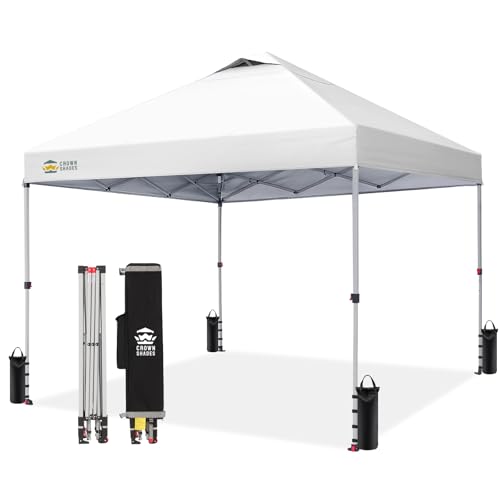
The sideline kit is a one-time cost that pays back over every tournament: a 10x10 pop-up canopy (about $140), a 50-quart rolling cooler (about $75) and a folding wagon (about $126) cover most families for years. The full list is in best baseball tournament gear.
Travel and hotel costs: the line that blindsides families
Stay-to-play is the rule that catches first-year families: many tournaments require teams traveling beyond a set distance to book through the event's hotel block, often at higher rates than you could find yourself. A typical out-of-town weekend for one family looks like this:
| Weekend cost | Typical |
|---|---|
| Hotel, 2 nights (stay-to-play rates) | $300 to $500 |
| Gas or mileage | $50 to $200 |
| Food for the family | $150 to $300 |
| Gate fees and parking | $20 to $60 |
| Total per out-of-town weekend | $500 to $1,000 |
Multiply by the number of hotel weekends on the schedule and you have the swing factor in every travel budget: two such weekends add about $1,000 to $2,000; five add $2,500 to $5,000. Room-sharing with another family and packing a cooler are the two biggest savings on this entire page. The weekend logistics that keep those trips sane are in our tournament day guide.
Gear costs: the growing-kid tax
Youth players change sizes almost every year, so gear is a recurring cost, not a one-time buy. A realistic per-year gear picture for a travel player, with the value picks we recommend:
| Item | Typical cost | How often | Our value pick |
|---|---|---|---|
| Bat (league stamp matters) | $80 to $300 | Every 1 to 2 years | Marucci CATX2 USSSA -10 (~$140) |
| Glove | $30 to $200 | Every 1 to 3 years | Rawlings Players 11.5" (~$30) |
| Cleats | $30 to $80 | 1 to 2 pairs a year | UA Leadoff Icon JR (~$32) |
| Helmet (if the team does not provide) | $30 to $80 | Every 2 to 3 years | Rawlings COOLFLO (~$34) |
| Batting gloves | $20 to $50 | Every season | Franklin Grow to Pro (~$20) |
| Bag | $25 to $100 | Every 2 to 3 years | Rawlings REMIX (~$25) |
| Catcher's gear (catchers only) | $150 to $500 | Every 2 to 3 years | youth catcher's gear guide |
Sizing is where money is lost: an oversized bat or glove plays badly and still gets replaced on the same schedule. Use the bat size chart and our age guides (10U bats, 12U bats, youth gloves) before buying. Catcher parents, budget extra: the position adds a helmet, mitt, chest protector and leg guards, and our catcher kit guide prices the whole set at every budget.
Lessons, training and winter workouts
Private instruction is optional but common in travel ball, and it is the most variable line in the budget:
- Private hitting or pitching lessons: commonly $40 to $100 per 30 to 60 minute session, depending on region and instructor. Weekly lessons for a school year can pass $2,000.
- Group clinics and camps: often $100 to $400 per multi-day clinic.
- Winter facility memberships: commonly $50 to $150 per month where not included in the team fee.
- Home training setup: a one-time $100 to $500 for a tee, net and balls, used every week. See the backyard training setup.
The highest-value move for most families is converting some paid lessons into filmed practice at home: a phone on a tripod and slow-motion video show a player most of what a lesson does, and a coach can review the clips in minutes. The tools are in the travel coach tech stack.
Showcase and recruiting costs (15U to 18U)
High school travel adds a new category. Players hoping to play in college often attend showcases, where scouts and college coaches see many players in one place. Typical costs:
| Item | Typical cost |
|---|---|
| Individual showcase event | $150 to $800+ per event, plus travel |
| College prospect camps | $100 to $400 per camp |
| Recruiting video or profile services | $0 (do it yourself) to $1,000+ |
| Unofficial college visits | Travel costs only |
Be selective. A few well-chosen showcases and camps at schools that fit the player's level usually beat attending everything. Ask the high school and travel coaches which events college coaches in your region actually attend.
Sample budgets: three real-world families
Three illustrative budgets built from the typical ranges above (not survey data; your region and program will differ):
| Line item | 10U local select | 12U regional travel | 16U showcase team |
|---|---|---|---|
| Team fee | $900 | $2,200 | $3,000 |
| Hotel weekends | 1 ($600) | 4 incl. a destination week ($3,200) | 5 plus flights ($4,500) |
| Gear | $250 | $450 | $600 |
| Uniform and extras | $150 | $300 | $400 |
| Lessons and training | $0 | $600 | $1,500 |
| Showcases and camps | $0 | $0 | $1,200 |
| Total | about $1,900 | about $6,750 | about $11,200 |
The 12U column shows how one destination week turns a normal regional budget into a big one. Without it, the same family would land near $4,000.
Travel baseball vs rec league: the cost difference
For perspective, here is how a season of travel ball compares with a local recreation or Little League season for the same player:
| Cost | Rec / Little League | Regional travel |
|---|---|---|
| Registration or team fee | $75 to $300 | $1,000 to $3,000 |
| Season length | 8 to 12 weeks | 6 to 10 months, often plus fall |
| Games | 12 to 20, all local | 30 to 60, many out of town |
| Hotels | None (all-stars aside) | $500 to $2,500+ |
| Uniform | Usually included | $100 to $350 extra at many clubs |
| Gear | $150 to $400 | $300 to $800 |
| Typical all-in | $250 to $700 | $2,000 to $6,000 |
Many families split the difference: rec or Little League in the spring, then a lower-cost fall travel team or a local select team in the summer. It keeps the reps high and the hotel count low.
Hidden costs first-year families miss
- The second uniform. Doubleheaders and rain mean one set is rarely enough; many families end up buying a second pair of pants and extra jerseys.
- Bat changes by sanction. A Little League (USA stamp) bat is not the same as a USSSA travel bat, so a player on both teams may need two bats. Check the stamp rules first.
- Siblings. Hotel weekends, gate fees and food multiply with every family member who comes along.
- Time off work. Friday-start tournaments and weekday destination weeks cost vacation days or wages.
- Vehicle wear. A regional schedule can add a few thousand miles a year.
- Sideline gear. Canopy, chairs, wagon and cooler, a one-time $200 to $500 that nobody lists in the program fee.
- Team gifts, coach gifts and end-of-season events. Small individually, noticeable over a year.
None of these are reasons to skip travel ball. They are reasons to build a budget that includes them, so the season does not turn into a series of surprises.
How families pay for travel baseball
Most programs offer at least one way to spread or reduce the cost. Ask about each:
- Payment plans: many clubs split the fee into monthly installments over the season. Budgeting monthly also makes the all-in number easier to see (a $3,600 year is $300 a month).
- Team fundraising: raffles, car washes, concession shifts and sponsor banners. Clubs often credit individual fundraising against a family's fee.
- Business sponsorships: local businesses frequently sponsor a team in exchange for a jersey patch or banner, which can cover tournament entries.
- Scholarships and hardship waivers: larger clubs and many nonprofits keep a fund for families who need help. It is worth asking privately.
- Volunteer offsets: scorekeeping, field prep, streaming and team parent roles sometimes reduce fees.
Questions to ask before you commit to a program
- What is the total fee, and what exactly does it include? Uniforms, winter training, insurance, tournament entries?
- How many tournaments, and how many require a hotel? Are any stay-to-play?
- Is there a destination event or a week-long trip? What did it cost families last year?
- What bat stamp and uniform will we need to buy?
- Are there fundraising requirements or volunteer offsets?
- What is the refund policy if the player is injured or leaves the team?
- How is playing time decided, and how many players are on the roster? (A 14-player roster splits costs more ways but also splits innings.)
A well-run program answers all seven in writing. If they cannot tell you how many hotel weekends are planned, budget for the high end.
Where veteran families actually save
- Room-share and carpool from day one. Splitting hotels across two families is the single biggest recurring save.
- Pack the cooler. A packed cooler for a two-day tournament often saves $100 or more per family over concessions.
- Buy gear in the fall. New bat models arrive in the second half of the year and last year's models drop. Buy for this season's size, not next year's.
- Hand-me-down and team swaps for gloves, helmets and catcher's gear that still pass a fit check.
- Convert some lessons into filmed practice. Video plus one lesson a month covers a lot of ground for a motivated player.
- Skip the expensive gadgets. Electronic pitch calling used to mean a $999 hardware kit; now it is the free MAVTRAX app and a helmet-mount Bluetooth headset (about $13).
- Volunteer roles often offset fees: scorekeeping, streaming the games (how to livestream youth baseball), or field duty. Ask.
- Fundraise early, not in a July panic.
Is travel baseball worth the money?
Travel ball buys three real things: better competition, more reps, and more coaching. It does not buy a college scholarship by itself; baseball scholarships are limited and usually partial, so the healthiest frame we see in successful families is to pay for development and experiences the player loves now, not a speculative future payout. If the budget forces a choice, a well-run local program plus backyard reps beats a prestige logo plus financial stress, every time.
And keep perspective on the tech line: the pitch-calling setup big programs used to pay for is now free, which makes it the cheapest line item in this whole guide.
FAQ
How much does travel baseball cost per year?
Most families spend $2,000 to $6,000 per player per year, with $3,000 to $4,000 the most common all-in total for a regional program. The team fee (typically $1,000 to $3,000) is only part of it; travel, hotels, gear, uniforms and lessons stack on top.
What is the average travel baseball team fee?
Commonly $1,000 to $3,000 per player per season for a regional program, lower for local select teams and higher for national or showcase programs. Ask exactly what the fee covers: tournament entries, uniforms, insurance, indoor training and coaching are the usual items.
How much does travel baseball cost per month?
Spread over a year, a typical $2,000 to $6,000 all-in budget works out to roughly $170 to $500 a month. Many clubs offer monthly payment plans for the team fee, but hotels, gear and lessons are paid as they come, so families often set aside a fixed amount each month.
Why is travel baseball so expensive?
Several costs stack: club fees (tournaments, insurance, facilities, coaching), family travel and stay-to-play hotels, gear replaced as players grow, and optional lessons. Hotels are the line item that most often surprises first-year families.
How much does a travel baseball tournament cost?
Entry fees are usually paid by the team, commonly $400 to $1,200 per team for a weekend event. For a family, a local tournament may cost $50 to $150 in gate fees and food, while an out-of-town weekend with two hotel nights typically runs $500 to $1,000.
How much is gear for travel baseball?
Typically $300 to $800 per year for a growing player: bat, glove, cleats, batting gloves and a bag, sized for the current season. Catchers add $150 to $500 for protective gear and a mitt.
Is 12U travel baseball more expensive?
Often, yes. 12U is the year many programs attend a week-long destination tournament, which alone can cost a family $2,000 to $5,000 including lodging, travel and food. Ask whether one is planned before you commit.
How can I make travel baseball cheaper?
Share hotel rooms and carpool, pack a cooler, buy gear in the fall and for the current size, use hand-me-downs for gear that still fits, trade some private lessons for filmed practice, and ask about volunteer fee offsets. Choosing a program with fewer hotel weekends saves the most.
Is travel baseball worth the money?
It reliably buys better competition, more reps and more coaching, but it does not guarantee a scholarship. Pay for development the player enjoys now, choose programs that disclose all-in costs in writing, and use structural savings to keep it sustainable.
We're the team behind MAVTRAX, a free pitch-calling app. This is a research guide: picks are chosen on manufacturer specs, league rules, build quality and real-world price, checked against live listings, not on who pays the highest commission. We haven't hands-on tested every product. Full criteria on how we pick.
The tournament-day kit
Top picks from our full guide. Live price on Amazon.