The Travel-Ball Coach's Tech Stack (2026): 6 Tools That Actually Earn Their Bag Space
We build dugout technology for a living, and we watch what coaches actually use at tournaments every weekend. This is the honest 2026 tech stack for a travel-ball program, pitch calling, velocity, video, streaming, and the unglamorous gear that keeps it all alive through a four-game Saturday.
In this guide · 7 sections
Quick picks
Our top recommendations, full reviews below.

Job #1: pitch calling, the highest-leverage $15 in baseball
~$15 price and availability on Amazon
View on Amazon →Key takeaways
- The modern dugout runs on five jobs: calling pitches, measuring velocity, filming swings, streaming for families, and keeping everything charged.
- Pitch calling is the highest-leverage upgrade per dollar, a $15 wired-in headset plus an app replaces stolen signs, wristband decoding, and mound visits in one move.
- A phone tripod + backstop mount (~$40 combined) covers 90% of a team's video needs, swing review and live streams, before you spend real camera money.
- The 20,000mAh power bank is the least sexy, most used item in the bag. Every device on this list dies by game three without it.
- Radar guns are development tools, not toys: tracking velo trends across a season tells you more than any single reading.
- Total stack: under $600 with a real camera, under $150 without one, pro-style capability at travel-ball prices.
A confession from people who make dugout software: most "coaching tech" ends up in a garage by June. We build MAVTRAX, the pitch-calling app, which means we spend every weekend around travel-ball dugouts watching what coaches actually reach for by game four of a Saturday. It's a short list.
This is that list: six things that survive contact with a real season. Every item earns its bag space doing one of the five jobs a modern program has, calling pitches, measuring arms, filming swings, streaming for the grandparents, and staying charged. Prices are live from Amazon; nothing here is theoretical.
At a glance
| Pick | Best for | Price* | ||
|---|---|---|---|---|
| Motorcycle-Helmet Bluetooth Speakers (IPX7) | Job #1: pitch calling, the highest-leverage $15 in baseball | ~$15 | View → |
 | Pocket Radar (Ball Coach style) | Job #2: velocity, development data, not dugout candy | ~$399 | View → |
 | 72" Phone Tripod | Job #3: filming, swing review starts with a $24 stand | ~$24 | View → |
 | Backstop Fence Mount | The streaming angle, clamp a phone where the scouts stand | ~$16 | View → |
 | Mevo Start Streaming Camera | The real streaming rig, when the phone setup outgrows itself | ~$430 | View → |
 | 20,000mAh Power Bank (22.5W) | The unglamorous MVP, everything above dies without it | ~$27 | View → |
*Prices at time of writing, they move; check the listing.
Motorcycle-Helmet Bluetooth Speakers (IPX7)
~$15
The foundation of the stack: a thin Bluetooth speaker wired into the catcher's helmet (one-minute velcro install), paired to the coach's phone running a pitch-calling app. Tap the pitch and location, the catcher hears it instantly. No stolen signs, no wristband decoding, no mound visits to reset sequences, and the whole game moves faster.
- Transforms game management for ~$15
- One-minute install, permanent setup
- Works with any calling app via Bluetooth
- Confirm your league permits one-way devices
- Voice-grade speaker (that's the job)
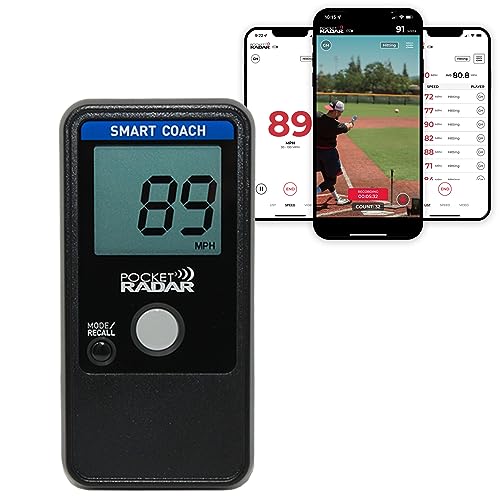
Pocket Radar (Ball Coach style)
~$399
The pocket-sized radar became standard travel-ball equipment for a reason: velocity trends are the most objective development data a youth program can collect. Not the single Friday-night reading, the trend. Log every pitcher monthly and you'll see mechanical changes, fatigue, and growth spurts show up in the numbers before the eye test catches them.
Pair readings with pitch-count discipline and you're managing arms like a college staff. Our full radar-gun guide covers the cheaper alternatives and what accuracy you give up.
- Objective development data
- Fits in a back pocket, one-hand use
- The standard other parents already trust
- Real money for a rec team
- Cheaper guns exist with accuracy trade-offs, see the radar guide
72" Phone Tripod
~$24
Before any camera purchase: a tall tripod and the phone you already own cover most of a team's video needs. Set it behind the cage for side-view swing film, behind the backstop for pitcher mechanics, or courtside for a full-game record. Slow-motion on a modern phone is genuinely good enough for youth swing work.
- Unlocks swing review for $24
- Tall enough to clear fences and cages
- Zero learning curve, it's your phone
- Wind is the enemy, weight the legs
- Someone has to remember to hit record
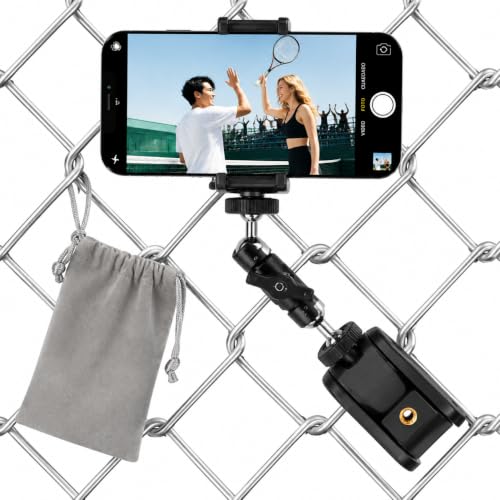
Backstop Fence Mount
~$16
The $17 answer to "can grandma watch?", clamp a phone to the backstop fence at the classic center-field-facing angle and stream straight from the phone. It's also the perfect fixed angle for recording pitcher outings. Our full livestreaming guide covers the software side, overlays, and where leagues draw lines on streaming.
- Rock-solid fixed angle for $17
- Installs on any chain-link in seconds
- Pairs with the tripod for two-angle film
- Fence vibration on windy days
- Check tournament rules on streaming
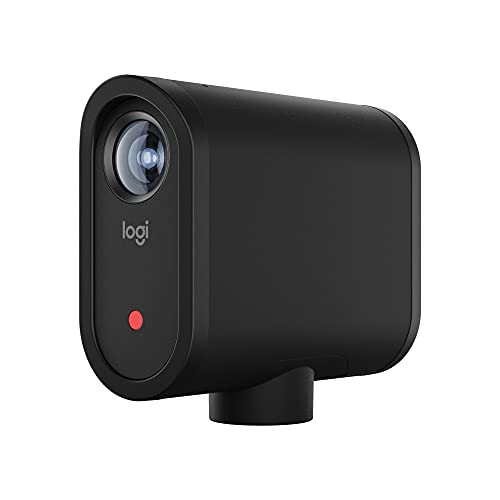
Mevo Start Streaming Camera
~$430
When streaming graduates from "phone on a fence" to a real program offering, sponsor overlays, multi-game days, a camera that isn't also someone's phone, the Mevo Start is the travel-ball standard: wireless, battery-run, streams to YouTube/Facebook from an app, and survives being clamped to fences all summer.
Honest advice from our streaming guide: run the free phone setup for a season first. If families actually watch, the Mevo is a justified upgrade; if not, you saved $430.
- Purpose-built wireless streaming
- App control from the dugout
- Frees every parent's phone
- Real money, validate demand with the phone first
- One more battery to manage (see next pick)
20,000mAh Power Bank (22.5W)
~$27
Every device on this page, the calling phone, the helmet speaker, the radar, the streaming rig, shares one failure mode: game three of a four-game Saturday. A 20,000mAh bank recharges a phone several times over and turns dead-battery emergencies into a between-innings top-up. It's the cheapest reliability on this list and the item veteran coaches check first.
- Solves the whole stack's #1 failure mode
- Charges phone + accessories simultaneously
- $19 insurance on everything else
- Heavy-ish in the bag (worth it)
- Charge IT the night before too
The five jobs (and what each costs)
Strip the gadget noise away and a travel program's tech has exactly five jobs:
| Job | The tool | Cost |
|---|---|---|
| Call pitches | Wired-in speaker + MAVTRAX | ~$15 (app is free) |
| Measure velocity | Pocket radar | ~$399 (or less, see guide) |
| Film swings/mechanics | Tall tripod + your phone | ~$24 |
| Stream for families | Fence mount → Mevo when proven | ~$17 → ~$430 |
| Keep it all alive | 20,000mAh power bank | ~$19 |
The under-$150 starter stack (skip the radar and camera until the program earns them): speaker + app + tripod + fence mount + power bank. That kit runs pitch calling, swing film, and phone streaming for a full season.
What we left out (and why)
Credibility requires the cut list. Smart bats and swing sensors: genuinely interesting data, but at youth level the tripod slow-mo teaches more per dollar and doesn't get lost in a bag. Team-management apps: use whatever your league already runs, switching costs eat the benefit. Earbud-style comms: covered (and rejected) in the headset guide, anything worn on the player loses to the wired-in install. $2,000 hardware pitch-calling kits: with the app free, the $15 speaker is the entire cost of the alternative, the full math is in app vs. hardware comparison.
Tournament-day power and setup routine
The stack only works if it's alive. The routine that survives four-game Saturdays:
- Friday night: charge the phone, the helmet speaker(s), the radar, the camera, and the power bank itself. Five things, one power strip.
- Saturday morning: helmet speaker on → confirm "HELMET 1" connects → one test call in the parking lot.
- Between games: phone on the power bank while the team eats. The speaker sips power; the streaming phone gulps it.
- Sunday night: everything out of the bag to dry, electronics and padding alike hate marinating in a July gear bag.
Also worth a look
 7x7 Practice NetThe analog half of player development, the net the tripod films into.~$50 · View on Amazon →
 Athletico Dominator Catcher's BackpackWhere the whole stack lives between Saturdays.~$60 · View on Amazon →
FAQ
What technology do travel baseball coaches actually use?
The core stack is five jobs: electronic pitch calling (a wired-in helmet speaker + an app like MAVTRAX), a pocket radar for velocity trends, a tall tripod for swing film, a fence mount or streaming camera for family streams, and a big power bank to keep it all alive. Total cost runs under $150 without a radar/camera, under $600 with everything.
Is electronic pitch calling worth it for youth baseball?
It's the highest-leverage tech upgrade per dollar in the dugout: ~$15 of hardware plus an app ends sign stealing, eliminates wristband decoding, and speeds the game up. Confirm your league permits one-way coach-to-catcher devices first.
Do I need a real camera to stream games?
Not to start. A $17 backstop fence mount and a phone stream perfectly well. Upgrade to a dedicated wireless camera like the Mevo Start only after a season proves families actually watch.
We're the team behind MAVTRAX, a free pitch-calling app. This is a research guide: picks are chosen on manufacturer specs, league rules, build quality and real-world price, checked against live listings, not on who pays the highest commission. We haven't hands-on tested every product. Full criteria on how we pick.