Catcher Safety Gear: The 5 Add-Ons Worth Buying (2026)
The helmet and chest protector are the start, not the finish. Five inexpensive add-ons — throat guard, thumb guard, and friends — that keep catchers comfortable, confident, and on the field. Total cost: less than one tournament entry fee.
In this guide · 10 sections
- Helmet headset
- At a glance
- The complete-kit checklist
- League rules vary — do the 5-minute check before you buy
- Fit beats features: how to size each add-on
- The replacement schedule: what wears out, what gets outgrown
- Building the kit on a budget: the priority order
- Protected body, protected signs
- Also worth a look
- FAQ
Quick picks
Our top recommendations — full reviews below.
Key takeaways
- The five add-ons here total under $90 combined — cheap confidence for the most contact-heavy position.
- A throat guard is mandatory in many leagues and a 2-minute install on any mask.
- Catcher's thumb guards solve the most common catcher hand complaint — glove-hand thumb jams.
- Fit beats features: gear that fits gets worn; gear that bugs them ends up in the bag.
- Replace on fit, not damage — a cup, mouthguard, or padded shirt that's been outgrown isn't doing its job, cracked or not.
- If the budget only covers two items this month, go cup first, throat guard second — then add the rest as the season goes.
Good news first: the modern catcher's kit is excellent, and kids behind the plate are better protected than any previous generation. The standard set covers the big stuff — what it leaves out are the small, cheap add-ons that handle the position's everyday wear and tear: the foul tip off the mask, the ball off the glove-hand thumb, the long season of small impacts.
These five close those gaps for less than $90 total. Think of it as finishing the kit — every item here earns its spot by keeping a catcher comfortable enough to play fearless.
At a glance
| Pick | Best for | Price* | ||
|---|---|---|---|---|
| Easton Throat Guard 3.0 | The non-negotiable mask add-on | ~$15 | View → |
 | EvoShield Catcher's Thumb Guard | The glove-hand thumb (every catcher's complaint) | ~$25 | View → |
 | Shock Doctor BioFlex Athletic Cup | The obvious one, done right | ~$11 | View → |
 | COOLOMG Youth Heart-Guard Padded Shirt | Extra sternum padding under the chest protector | ~$27 | View → |
 | Shock Doctor Gel Max Mouthguard | Foul tips + plate collisions insurance | ~$12 | View → |
*Prices at time of writing — they move; check the listing.
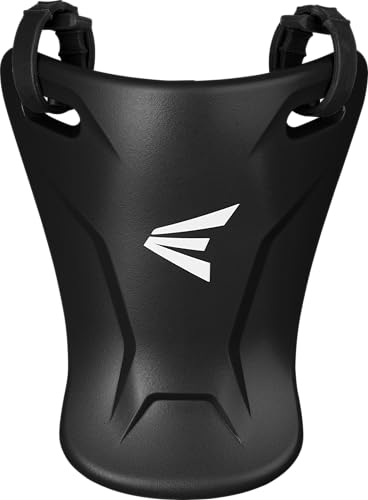
Easton Throat Guard 3.0
~$15
The dangling guard that hangs below the mask, covering the gap between helmet and chest protector. Many leagues (and most umpire associations) require one; every catcher should wear one regardless. Easton's 3.0 ties onto any hockey-style or traditional mask in two minutes and moves with the head instead of fighting it.
Installation is genuinely a one-and-done job, but it has one piece of recurring maintenance: the ties. They live in dirt, sweat, and gear bags, and owners consistently report the laces fraying before anything else on the mask — re-knot or replace them at the start of each season and the guard itself lasts as long as the helmet does. Length is the only buying decision: the standard size covers most youth catchers; taller kids with longer necks want the long version so the guard overlaps the chest protector's collar.
Worth saying for the fastpitch families: this is not a baseball-only item. Softball catchers wear the same guard on the same masks, and many fastpitch organizations have the same rule language. One $15 guard, one rulebook question settled forever, both dugouts.
- Covers the one gap the helmet leaves
- Fits any mask style
- League-rule compliant
- Two-minute install
- Kids fuss about it for exactly one practice
- Ties wear — re-knot each season
EvoShield Catcher's Thumb Guard
~$25
Ask any catcher what hurts and the glove-hand thumb is the first answer: thousands of catches drive the ball into the same joint, and one mis-received fastball jams it for weeks. EvoShield's guard — the same one MLB catchers wear — slips over the thumb inside the mitt and spreads that impact across a rigid shell.
Expect an adjustment bullpen, not an adjustment month. The first session feels like catching with a popsicle stick on the thumb; by the second, catchers stop mentioning it; by the third, they refuse to receive without it. That arc shows up in owner reviews so consistently it's practically the product's signature — the guards that get abandoned are almost always the ones bought a size off.
Care is minimal: pull it out of the mitt after wet games so the strap dries, and check the shell for cracks when you do the seasonal gear check. The shell itself is effectively a multi-season item; growing hands are what trigger replacement. It's the difference between end-of-season thumbs and a kid who receives hard throws all year without thinking about it.
- Solves the #1 catcher hand complaint
- Worn by MLB catchers — proven design
- Fits inside any mitt
- Comfortable after the first bullpen
- Sized — measure before ordering
- Takes a session to stop noticing
Shock Doctor BioFlex Athletic Cup
~$11
Not optional for catchers, and worth doing right: Shock Doctor's BioFlex is the one kids actually keep wearing — vented, flexible-edged, and shaped so it disappears during play. Pair with a proper compression short with a cup pocket (not loose-waistband tucking) so it stays where it works.
The reason this specific cup keeps winning the category is purely behavioral: the gel-edged, vented design is comfortable enough that kids don't "forget" it in the bag. A premium cup that gets worn every game beats any cup that doesn't — and at $11 there's no premium to debate anyway. Buy two; one lives in the gear bag permanently.
Replacement is a fit story, not a damage story. Replace it when it's outgrown — usually every season or two for a growing catcher — not when it cracks, because a properly sized cup almost never cracks. Add the size check to the same preseason ten minutes where you re-knot the throat-guard ties and you'll never think about it mid-season.
- Comfortable enough to actually get worn
- Vented — no swamp
- Youth sizing that fits
- $11
- Needs a cup-pocket compression short (sold separately)
- Kids outgrow sizes faster than you'd think
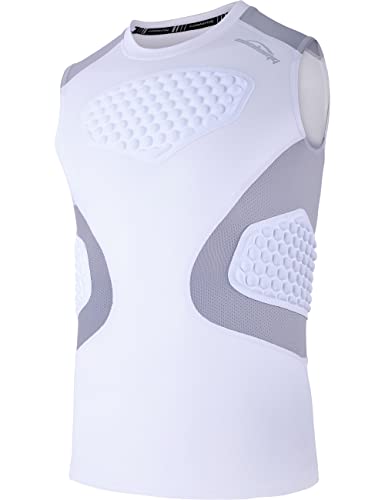
COOLOMG Youth Heart-Guard Padded Shirt
~$27
A compression shirt with an integrated pad over the sternum — worn under the chest protector for a second layer over the center of the chest. Baseball's governing bodies have pushed chest protection standards forward in recent years, and this is the easy way to add that margin to any existing kit.
It's also quietly great beyond the catcher's gear: several brands now make these specifically because youth coaches kept asking for something for pitchers and infielders on comebackers — positions with no protector at all. If your catcher also takes the mound (most youth catchers do), this one purchase covers both jobs, which is the best value sentence on this page.
Day to day, it behaves like any base layer: machine wash, hang dry so the pad's foam keeps its shape, and rotate two if your catcher plays tournament weekends. The July complaint is real — get the sleeveless cut for summer ball — and like everything compression-fit, replacement is triggered by growth, not wear. Light enough that kids forget it's on, which is the entire trick with protective layers.
- Adds sternum coverage under any chest protector
- Doubles as a base layer
- Works for pitchers/infielders too
- Machine washable
- Warm in July — get the sleeveless cut
- Pad position needs the right shirt size to sit correctly
Shock Doctor Gel Max Mouthguard
~$12
Baseball doesn't mandate mouthguards, but catchers live closer to deflections than anyone on the field, and a boil-and-bite Gel Max is $12 of dental insurance that molds in five minutes. The convertible tether strap clips to the mask so it's never lost and never in the dirt.
Use the tether. Clipped to the mask, the guard hangs ready between innings instead of living in a back pocket or the on-deck dirt, and it's the single biggest factor in whether a mouthguard survives the season. The guard itself is a replace-every-season item — sooner if your catcher is a chewer (you'll see the bite-through marks) or has a growth-spurt year that changes the fit.
Bonus: kids who wear one in the cage and behind the plate stop thinking about their face and start thinking about the ball — confidence is a safety feature too.
- Real dental protection for $12
- Boil-and-bite molds to braces too (braces version available)
- Tethers to the mask
- Lasts a season+
- Five-minute fitting matters — do it properly
- Talking takes a week of practice
The complete-kit checklist
Full youth catcher loadout, head to toe: helmet/mask (+ throat guard) → mouthguard → chest protector (+ optional heart-guard shirt under) → athletic cup + compression shorts → shin guards (+ knee savers — our guide) → mitt (+ thumb guard inside). Everything bolded on this page totals about $90 — assemble it once at the start of the season and the whole conversation is done. A comfortable, confident catcher plays better; that's what all of this actually buys.
League rules vary — do the 5-minute check before you buy
Equipment rules are written by organization, not by "youth baseball" as a whole — Little League, Cal Ripken, USSSA, PONY, Babe Ruth, and your state's high school federation each phrase things their own way, and local leagues sometimes add their own lines on top. The good news: nothing in this guide is restricted anywhere, and two items are frequently required.
- Throat guards — required in much of youth ball, often explicitly including hockey-style helmets that "look covered." This is the rule most often enforced at plate meetings.
- Helmets and chest protectors — most organizations require current certification standards (look for the NOCSAE stamp on newer gear). If you're buying used, this is the line to check.
- Cups — commonly required for catchers specifically, even where optional for other positions.
- Mouthguards, thumb guards, padded shirts — optional everywhere we know of; wear them because they're smart, not because anyone makes you.
Five minutes with your league's equipment section before the season settles all of it — and if your catcher plays for both a rec league and a travel org, read both, because they won't match word for word.
Fit beats features: how to size each add-on
Every item on this page lives or dies by fit, because gear that bugs a kid ends up in the bag, where it protects nothing. The sizing cheat sheet in one place:
- Throat guard: standard length for most youth catchers; long version when the guard doesn't overlap the chest protector's collar.
- Thumb guard: measure thumb tip to wrist crease against the chart; fit it over the batting glove if one's worn inside the mitt.
- Cup: by waist measurement, never age — and the compression short with a real cup pocket is half the system.
- Heart-guard shirt: snug like a compression layer; between sizes, size down so the pad stays centered.
- Mouthguard: fit is the molding — do the boil-and-bite carefully and re-mold after dental changes.
The pattern across all five: when a catcher says gear "feels weird" after the first week, it's nearly always a size or installation problem, not a product problem. Fix the fit before replacing the item.
The replacement schedule: what wears out, what gets outgrown
Safety add-ons fail two ways — wear and growth — and growth is the one families miss, because outgrown gear still looks fine sitting in the bag. The annual rhythm that keeps the kit honest:
- Every preseason (10 minutes): re-knot the throat-guard ties, re-check cup size against the waist measurement, confirm the thumb guard still fits the hand, inspect helmet padding and snaps while you're in there.
- Every season: new mouthguard — molding fatigue and bite-through marks end them on schedule. Budget the $12 like registration fees.
- Every growth spurt: heart-guard shirt and thumb guard sizes, since both only work positioned correctly.
- Multi-season items: the throat guard and thumb-guard shell themselves — they outlast everything around them.
Total annual maintenance cost after the first buy: about $12 and ten minutes. Few line items in youth baseball give you more for less.
Building the kit on a budget: the priority order
All five items run about $90 together — but if this month's budget says pick two, there's a right order. First: the cup ($11). Cheapest item, required by most leagues for catchers, zero debate. Second: the throat guard ($15). Frequently mandatory, and the one an umpire might actually ask about at the plate meeting. That's $26 and your catcher is legal everywhere.
Then add as the season goes: mouthguard ($12) next because dental work costs more than every item on this page combined, thumb guard ($25) the moment your catcher starts receiving real velocity or mentions the thumb even once, and the heart-guard shirt ($27) as the finishing layer — first in line if your catcher also pitches. Spread across three months it's under $35 a month, and the whole stack still costs less than one tournament entry fee.
Protected body, protected signs
One more thing worth protecting: the calls. MAVTRAX sends each pitch call from the coach's phone straight into the catcher's ear — no signs to steal, no wristband to decode, no crossed signals on the 3-2 pitch. The catcher you just outfitted deserves calls as solid as the gear — and unlike everything else on this page, it's free.
Also worth a look
 Easton Catcher's Knee SaversThe squat-support half of the safety story — laces into the shin guards in ten minutes.~$33 · View on Amazon →
 KARM Youth Knee Compression Sleeves (Pair)Under-gear warmth for cold spring tournaments — pairs with everything on this page for $12.~$12 · View on Amazon →
 Hockey-Style Catcher's HelmetAll the add-ons assume a current, certified helmet underneath — if yours is dated, start here.~$92 · View on Amazon →
 Complete Youth Catcher's SetBuilding from zero? A complete youth set plus these add-ons is the whole kit in two orders.~$120–$200 · View on Amazon →
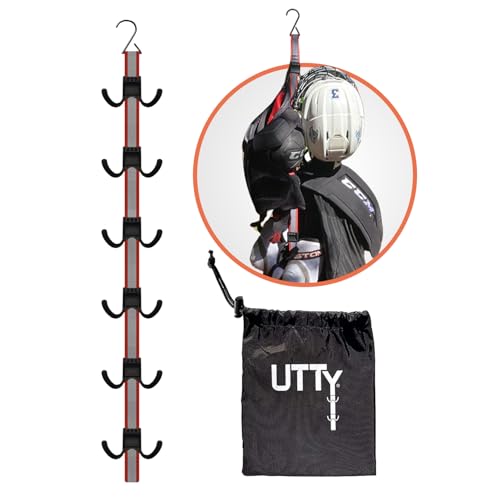 UTTY Portable Gear Drying RackSweat is what ages straps, ties, and padding — a drying rack stretches the life of the entire bag.~$30 · View on Amazon →
 Athletico Dominator Catcher's BackpackFive new add-ons need a home — a catcher-specific backpack keeps the small stuff findable.~$60 · View on Amazon →
FAQ
Are throat guards required in youth baseball?
Very often yes — Little League and many travel organizations require a dangling throat guard even on hockey-style helmets. Rules vary by league; a $15 guard installed in two minutes ends the question regardless of your league's wording.
Do hockey-style catcher helmets need a throat guard too?
In many leagues, yes — the rule frequently applies to all mask styles because the gap below the chin exists on both. Check your specific league, but the safe (and usually required) answer is to attach one.
What does a catcher's thumb guard do?
It's a rigid shell worn on the glove-hand thumb inside the mitt, spreading the repeated impact of caught pitches — and the occasional mis-catch — across the whole thumb instead of the joint. It addresses the single most common catcher hand complaint.
Is extra chest protection necessary if the chest protector is new?
Modern chest protectors meet meaningfully improved standards — a current, well-fitted one is the foundation. A padded heart-guard shirt is an inexpensive additional layer over the sternum that many families add for margin, and it's especially popular for kids who also pitch or play infield, where there's no protector at all.
What size athletic cup does my catcher need?
Size by waist measurement, not age — Shock Doctor and most brands publish waist ranges for youth, teen, and adult sizes. Pair it with a compression short that has a dedicated cup pocket, because the pocket is what keeps it positioned through the squat. Re-check the size every preseason; growing kids outgrow cups faster than parents expect.
How often should a mouthguard be replaced?
Plan on a new one every season — the molding fatigues, and most kids chew through the surface well before the year is out. Replace it sooner after braces go on or come off, or after any dental change that alters the bite. At about $12, treat it as an annual line item like registration fees.
Does a rec-league catcher really need a thumb guard?
It becomes worth it the moment your catcher is receiving real velocity — typically around 11U and up — or the first time they mention a sore thumb. Below that, the cup, throat guard, and mouthguard are the better first dollars. Once a kid has jammed a thumb even once, the $25 guard pays for itself in games not missed.
Can the heart-guard shirt be worn for pitching and infield too?
Yes — that's half the reason these shirts exist. Pitchers and infielders face comebackers and hard hops with no chest protector at all, so the same padded compression shirt does double duty for the many youth catchers who also pitch. One shirt, snugly fitted so the pad stays centered, covers both jobs.
We're the team behind MAVTRAX — pitch-calling software used by baseball and softball teams from 9U travel ball up. We spend our days around dugouts, gear bags and tournament weekends. Picks are chosen on specs, durability for youth-sports abuse, real-world price, and owner feedback — not on who pays the highest commission. Full criteria on how we pick.