Best Youth Catcher's Helmets (2026): 6 Junior-Size Lids for Ages 7 to 14
A youth catcher's helmet is sized by hat size, not age, and the junior shell (6 1/2 to 7) is what fits most 7-to-12-year-olds. Here are six junior-size hockey-style helmets from the three brands that make them properly, ranked on fit, protection and the one thing we check that nobody else does: room in the ear flap for a pitch-calling speaker.
In this guide · 9 sections
Quick picks
Our top recommendations, full reviews below.

Best overall for 8U-12U: hockey-style, NOCSAE, chin cup, headset room
~$92 price and availability on Amazon
View on Amazon →Key takeaways
- Best overall: Rawlings Renegade 2.0 Junior (~$92). Hockey-style, NOCSAE-certified, a real chin cup, good ventilation, and an ear flap with room for a helmet-mount speaker. Fits hat sizes 6 1/2 to 7, which is most 8U-12U catchers.
- Best budget: All-Star Player's Series Youth (~$80). The cheapest junior hockey-style helmet from a catcher's-gear company; less ventilation than the Renegade, same protection idea.
- Best step-up: Rawlings Velo 2.0 Junior (~$93) for better padding at nearly the same price; All-Star MVP2400 Youth (~$150) for the best ventilation of the junior shells.
- Best premium: Rawlings Mach Junior (~$167) for the 12U-14U catcher who plays every game and is heading to intermediate gear next.
- Size by hat size. Measure the head circumference just above the ears: 20 1/2 to 22 in is junior (6 1/2 to 7); over 22 in is senior (7 to 7 3/4). A 12-year-old with a big head is a senior.
- Replace after any hard impact and check the NOCSAE stamp. A cracked shell or compressed padding is a new helmet, not a repair.
For most 8U-to-12U catchers, buy the Rawlings Renegade 2.0 Junior (about $92). If the budget is tight, the All-Star Player's Series Youth (about $80) is the same hockey-style protection with less ventilation. For a 12U-14U catcher who is behind the plate every game, the Rawlings Mach Junior (about $167) is the premium junior shell. Every helmet here is a one-piece hockey-style lid with a NOCSAE stamp, sized in a junior shell (hat size 6 1/2 to 7), from Rawlings, All-Star or Easton. We skipped two-piece mask-and-skullcap sets for youth; they get knocked loose and they have no ear flap for a speaker.
The sizing answer comes first because it is the question most parents actually have: youth helmets are sold by hat size, and a tape measure around the head above the ears tells you junior or senior in ten seconds. Then the picks, then the fit check, then the headset note for programs that call pitches electronically. Our general catcher's helmet guide covers the senior and adult shells.
At a glance
| Pick | Best for | Price* | ||
|---|---|---|---|---|
| Rawlings Renegade 2.0 Catcher's Helmet, Junior (6 1/2 to 7) | Best overall for 8U-12U: hockey-style, NOCSAE, chin cup, headset room | ~$92 | View → |
 | All-Star Player's Series Youth Catcher's Helmet | Best budget: the cheapest junior hockey-style lid from a catcher's-gear company | ~$80 | View → |
 | Rawlings Velo 2.0 Catcher's Helmet, Junior (6 1/2 to 7) | Best step-up padding at the Renegade's price: softer liner, same shell idea | ~$93 | View → |
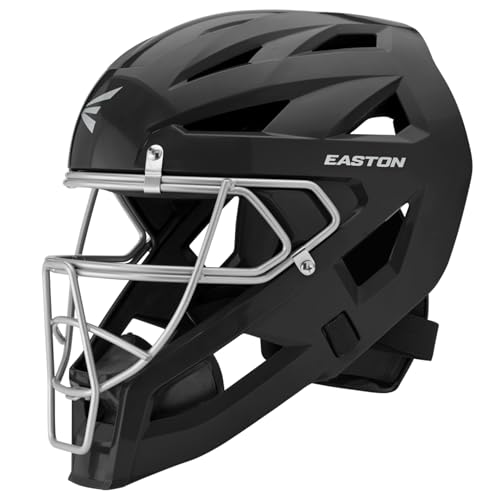 | Easton Phenom Catcher's Helmet, Small | The Easton pick: lighter shell and better airflow for the catcher who runs hot | ~$144 | View → |
 | All-Star MVP2400 Ultra Cool Youth Catcher's Helmet | All-Star's ventilated youth shell: the MVP line in a junior size | ~$150 | View → |
 | Rawlings Mach Catcher's Helmet, Junior (6 1/2 to 7) | Best premium junior shell: Mach padding and fit for the 12U-14U catcher who plays every game | ~$167 | View → |
*Prices at time of writing, they move; check the listing.
Rawlings Renegade 2.0 Catcher's Helmet, Junior (6 1/2 to 7)
~$92
The Renegade 2.0 Junior is the helmet we see on more 8U-to-12U catchers than any other, and it earns it by having no real weakness. A proper hockey-style shell with an integrated cage and good sightlines, a real chin cup that keeps the helmet seated on a pop-up, NOCSAE certification, ventilation that makes a July doubleheader survivable, and a fit system that adjusts across two or three seasons of growth. At about $92 it is priced where a travel-ball family can replace it after a hard foul tip without a debate.
The cons: the padding is adequate rather than plush (the Velo and Mach below are softer), and the junior shell tops out at hat size 7, so a big-headed 12-year-old needs the senior version. Neither is a reason to pick something else for most youth catchers.
- Hockey-style, NOCSAE, real chin cup
- Good ventilation for the price
- Ear flap fits a helmet-mount speaker pod
- Adjusts across two or three seasons
- Adequate rather than plush padding
- Junior shell tops out at hat size 7
All-Star Player's Series Youth Catcher's Helmet
~$80
All-Star makes catcher's gear and nothing else, and the Player's Series Youth is its entry junior helmet: a one-piece hockey-style shell, integrated cage, NOCSAE stamp, and a fit for the 7-to-12-year-old head. It gives up ventilation and some finish to the Renegade, and the padding is basic, but the protection architecture is the same. For rec ball, a first season behind the plate, or a backup helmet for the team bag, it is the smart-money lid.
The cons are the trade-offs you would expect at the price: it runs hot in summer, the chin cup is simpler, and the ear flap padding is thinner, which makes a speaker pod a slightly more noticeable install. Still a real All-Star helmet for $80.
- Cheapest junior hockey-style helmet from a real brand
- NOCSAE certified
- All-Star catcher's-gear pedigree
- Runs hot; minimal ventilation
- Basic padding and chin cup
- Thinner ear flap padding
Rawlings Velo 2.0 Catcher's Helmet, Junior (6 1/2 to 7)
~$93
The Velo 2.0 Junior is the Renegade's slightly nicer sibling: the same hockey-style shell concept and NOCSAE stamp with a softer, more contoured liner and a cleaner finish. At about $93 in the colorway we verified it is essentially the same price as the Renegade, which makes it the pick for a catcher who has complained about pressure points or a helmet that "feels hard." Ventilation is similar; the fit adjusts the same way.
The cons: Rawlings' pricing on the Velo varies a lot by colorway (we have seen it at $125 to $170 in others), so check the listing before assuming it is the Renegade's price, and the ear flap padding is a touch thicker, which hides a speaker pod even better but needs the velcro placed carefully.
- Softer, more contoured liner than the Renegade
- NOCSAE, hockey-style, same fit system
- About the same price in this colorway
- Price swings widely by colorway
- Thicker ear flap padding needs careful pod placement
Easton Phenom Catcher's Helmet, Small
~$144
The Phenom is Easton's current catcher's helmet and the Small shell is the youth size. It is lighter than the Rawlings junior shells and noticeably better ventilated, which is the upgrade a catcher who complains about heat actually feels. The cage has good sightlines, the chin strap and cup are solid, and it matches Easton's youth sets for the family that already owns Easton chest protector and leg guards.
Cons: at about $144 it is $50 more than the Renegade for a ventilation and weight gain rather than a protection gain, and Easton sizes by Small/Medium/Large rather than hat size, so measure and check the size chart on the listing. Ear flap depth is good for a speaker pod.
- Lighter than the Rawlings junior shells
- Best airflow of the youth helmets here
- Matches Easton youth sets
- About $144
- Sized S/M/L; check the chart against head circumference
All-Star MVP2400 Ultra Cool Youth Catcher's Helmet
~$150
The MVP2400 Ultra Cool is All-Star's youth version of the MVP helmet that a lot of college and pro catchers wear, with the same hockey-style shell design and the "Ultra Cool" ventilation that gives it the name. It is the youth helmet for a catcher who wants the All-Star look and build, with a well-padded liner and a cage that sits close for sightlines. NOCSAE certified, sized for the 7-to-12-year-old head.
The cons are price (about $150) and the fact that the Renegade does the same protective job for $60 less. Buy it for the ventilation, the All-Star build, or to match an All-Star youth set; not because the Renegade is lacking.
- All-Star MVP design in a youth size
- Ultra Cool ventilation
- Well-padded liner, close cage
- About $150
- No protection edge over the $92 Renegade
Rawlings Mach Catcher's Helmet, Junior (6 1/2 to 7)
~$167
The Mach is the line Rawlings puts in high-school and college dugouts, and the Junior shell brings that padding and fit system down to the 6 1/2-to-7 head. It is the helmet for the 12U or 14U catcher who is behind the plate every inning, takes real foul tips off better pitching, and is a season or two from intermediate gear. The liner is the softest of the junior shells here, the fit dial is the best in Rawlings' line, and the ear flap is deep enough that a speaker pod disappears.
Cons: about $167 is a lot for a helmet a kid may outgrow in two seasons, and the protection standard is the same NOCSAE stamp the $92 Renegade carries. The materials and comfort upgrade is real; whether it is worth $75 depends on how many innings the catcher plays.
- Rawlings' best padding and fit system in a junior size
- Deep ear flap; speaker pod disappears
- The helmet a committed 12U-14U catcher keeps until intermediate gear
- About $167
- Same NOCSAE standard as the Renegade
Youth catcher's helmet size chart (by hat size)
Measure the head circumference with a soft tape just above the ears and eyebrows, then read the shell size off the chart. Age is a hint; the tape is the answer.
| Head circumference | Hat size | Shell | Typical age | Picks above |
|---|---|---|---|---|
| 20 1/2 - 21 in | 6 1/2 - 6 5/8 | Junior | 7-9 | Renegade Jr, Player's Youth, Phenom S |
| 21 - 22 in | 6 3/4 - 7 | Junior | 9 to 12 | Renegade Jr, Velo Jr, MVP2400, Mach Jr |
| 22 - 23 1/4 in | 7 - 7 3/8 | Senior | 12 to 14 | Senior shells in our general helmet guide |
| 23 1/4 in + | 7 1/2 + | Senior / adult | 14+ | Mach Pro, Elite X |
Our baseball helmet size chart covers batting helmets the same way, and the catcher gear sizing chart has every other piece by age.
The three-point fit check
Snug, seated, and still there after a head shake. (1) Snug: the liner should contact the whole head with no gaps at the temples and no pressure point at the forehead; the dial or straps take up the slack, not extra padding. (2) Seated: the cage's bottom bar should sit below the chin with the chin cup in contact, and the top of the cage should not block the view of a pitch at the top of the zone. (3) Shake: with the chin strap done up, the catcher shakes the head hard side to side; if the helmet rotates, it is too big. A helmet that passes all three is the right size; a helmet the kid will "grow into" is the wrong size and a foul-tip injury waiting to happen.
Hockey-style vs. two-piece for youth
Hockey-style, full stop, for youth catchers. A one-piece hockey-style helmet stays on through pop-ups and collisions, covers the back and sides of the head, and has an ear flap. A traditional two-piece (mask plus skullcap) is lighter and airier, and some high-school and college catchers prefer it, but it can be knocked loose on a play at the plate and a 9-year-old will not reseat it correctly. Every helmet on this page is hockey-style. The two-piece option, for the older catcher who wants it, is in our hockey vs. traditional mask comparison.
The ear flap is where the pitch call lives
If your program calls pitches electronically, the helmet you buy is also the receiver, and the ear flap is the install point. A $13 helmet-mount Bluetooth speaker pod velcros between the ear-flap padding and the shell; the coach taps the pitch on a phone, and the catcher hears it in under a second. The Renegade, Velo and Mach Junior all have the pad depth to hide a pod; the Player's Series works with a thinner pod. It rides with the helmet through every pop-up, which is why we never recommend earbuds or headbands for catchers. Install steps are in how to install a Bluetooth headset in a catcher's helmet and the pods are ranked in best Bluetooth headsets for a catcher's helmet.
Certification and when to replace
Look for the NOCSAE stamp on the shell, and replace the helmet after any impact that cracks the shell or compresses the liner. Every helmet here is NOCSAE certified, which most leagues require. Beyond that: a helmet that has taken a hard foul tip to the cage and still fits is fine; one with a visible crack, a dented shell, a cage that has bent, or a liner that has gone flat is done. Check the liner every spring. Most youth catchers outgrow a junior shell before it wears out, which is the other reason the $92 Renegade is the default: you will be buying the senior version in two or three years anyway.
Also worth a look
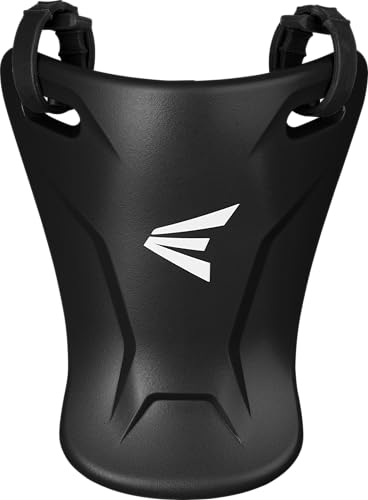 Easton Throat Guard 3.0Clips to any hockey-style helmet; required in some leagues~$15 · View on Amazon →
 ELIKIDSTO Helmet-Mount Bluetooth Headset (IPX7)The $13 speaker pod that velcros inside the ear flap~$15 · View on Amazon →
 Rawlings Renegade 2.0 Catcher's Set, Youth (Ages 12 and Under)If she or he still needs the chest protector and leg guards~$243 · View on Amazon →
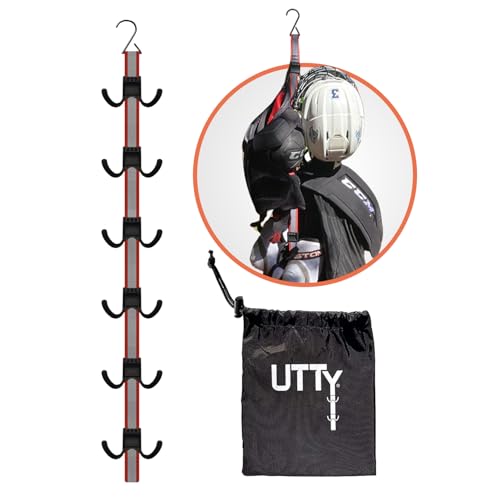 UTTY Portable Gear Drying RackKeeps the liner from turning into a science project~$30 · View on Amazon →
FAQ
What size catcher's helmet does a 10-year-old need?
Usually a junior shell, hat size 6 1/2 to 7, which is a head circumference of about 20 1/2 to 22 inches. Measure above the ears with a soft tape; a 10-year-old with a 22-inch head is a senior shell.
What is the best youth catcher's helmet?
The Rawlings Renegade 2.0 Junior at about $92: hockey-style, NOCSAE certified, a real chin cup, good ventilation, and an ear flap deep enough for a pitch-calling speaker. The All-Star Player's Series Youth is the budget alternative at about $80.
Is a youth catcher's helmet the same for baseball and softball?
Yes. The same junior hockey-style shells are used for fastpitch; the difference is in the chest protector and leg guards. Every helmet here works for a youth softball catcher.
What is the difference between a junior and senior catcher's helmet?
Shell size. Junior fits hat sizes roughly 6 1/2 to 7 (head circumference 20 1/2 to 22 inches); senior fits 7 to 7 3/4. Most 7-to-12-year-olds are junior; most 13-and-up are senior.
Should a youth catcher wear a hockey-style or two-piece helmet?
Hockey-style. It stays on through pop-ups and collisions, covers the back of the head, and has an ear flap. Two-piece mask-and-skullcap sets are for older catchers who prefer the airflow and can reseat the mask properly.
Do youth catcher's helmets need a throat guard?
Some leagues require a dangling throat guard; most hockey-style helmets have the clip points for one. The Easton throat guard in our list fits every helmet here. Check your league's rules.
How often should a youth catcher's helmet be replaced?
After any impact that cracks the shell, bends the cage or flattens the liner, and otherwise when the catcher outgrows it. Inspect the liner every spring. A helmet that still fits and shows no damage does not have an expiration date, but most manufacturers suggest replacement within several years of purchase.
We're the team behind MAVTRAX, a free pitch-calling app. This is a research guide: picks are chosen on manufacturer specs, league rules, build quality and real-world price, checked against live listings, not on who pays the highest commission. We haven't hands-on tested every product. Full criteria on how we pick.