Softball Pitch Calling Systems: 6 Options Compared for Fastpitch Programs (2026)
Fastpitch programs call pitches with one of six systems: hand signs, a number system on wristband cards, dugout number boards, a phone app to a helmet headset, a dedicated hardware kit, or a smartwatch display. Wristband numbers are the free standard; an app with a ~$13 helmet headset is the cheapest electronic option; hardware kits start at $999. Here is how each works and which fits your level.
In this guide · 11 sections
- Helmet headset
- What are the softball pitch calling systems?
- 1. How do hand signs work in fastpitch?
- 2. How does a softball number system work?
- 3. What are dugout number boards?
- 4. How does an app with a helmet headset work?
- 5. When does a dedicated hardware kit make sense?
- 6. What about smartwatches and wrist displays?
- Which softball pitch calling system fits your level?
- Why is pitch calling harder in fastpitch than baseball?
- FAQ
Key takeaways
- Six systems: hand signs, wristband number cards, dugout number boards, app plus helmet headset, dedicated hardware kit, and smartwatch or wrist display.
- The free standard is the number system: the coach calls a number, the catcher reads the pitch and location off a wristband card. Cheap and legal everywhere, but visual and decodable over time.
- The cheapest electronic option: a free app on the coach's phone and a ~$13 helmet-mount headset inside the catcher's helmet.
- Dedicated hardware kits (keypad transmitter plus audio or wrist receivers) start at $999 and suit funded programs that want no phone on the bench.
- Rules: NFHS softball has allowed one-way devices from the dugout to the catcher since 2025, with pitchers added in 2027; Little League since 2025; travel events vary.
- By level: 10U usually signs or simple numbers, 12U to 14U numbers or app, high school and travel 16U to 18U app or hardware.
A softball pitch calling system is how the pitch and location get from the person deciding (usually a coach in the dugout) to the catcher and pitcher without the other team reading it. Fastpitch programs use six main systems, from free hand signs to $999-and-up hardware kits, and the right one depends on your level, budget and how much sign stealing you face.
Fastpitch makes this harder than baseball. Pitchers throw bigger menus (rise, drop, curve, screw, change, drop curve), the tempo is quicker, and a runner at second is close enough to read a catcher's hand. This page compares every option side by side, explains how a number system actually works, and gives a recommendation by age group. If you have already chosen electronic calling and want the rules and setup steps, go to electronic pitch calling in softball.
What are the softball pitch calling systems?
Here are all six, compared on the four things that matter: speed, security, cost and rules.
| System | Speed | Stealing risk | Cost | Rules |
|---|---|---|---|---|
| 1. Hand signs | Slow with a runner on | High | Free | Allowed everywhere |
| 2. Number system + wristband cards | Medium; catcher reads the wrist | Medium; decodable over time | A few dollars to about $30 | Allowed everywhere |
| 3. Dugout number boards | Medium | Medium | Low | Generally allowed; check event rules |
| 4. App + helmet headset | Fastest; spoken call | None visible | Free app + ~$13 headset | Where one-way devices are allowed |
| 5. Dedicated hardware kit | Fastest | None visible | $999 starter kit and up | Where one-way devices are allowed |
| 6. Smartwatch or wrist display | Fast; catcher glances | None visible | Watch or receiver cost | NFHS names smartwatches; check others |
Options 4 to 6 are electronic. Under NFHS softball rules they may go from a coach in the dugout to the catcher only, one-way, on defense, until pitchers are added in 2027. Little League allows the same to the catcher since 2025. Travel sanctions and events set their own policy.
1. How do hand signs work in fastpitch?
The coach flashes a sequence (usually with an indicator) to the catcher, who relays a sign to the pitcher. It costs nothing and every player already knows it. The problems are speed and security: with a runner at second, teams switch to longer sequences, the exchange slows down, and a smart runner or coach can still crack it. Hand signs work best at 10U and below, where menus are short and stealing is rare. More on sign systems in catcher signs and signals.
2. How does a softball number system work?
The coach calls or flashes a number; the catcher finds that number on a grid inside a wristband and reads the pitch and location. It is the most common system in high school and travel softball because it handles big menus and changes easily.
A simple version:
- Build a grid of three-digit numbers (for example 100 to 399). Each number maps to a pitch and location, such as 214 = drop, outside.
- Add decoys. Many coaches make one digit meaningless or use more numbers than calls, so the same pitch appears under several numbers.
- Make several cards. Cards A, B and C use different mappings. Switch cards by inning, or whenever you suspect the other dugout is catching on.
- Give the pitcher the same card so the catcher only needs to confirm, or have the catcher relay one simple sign.
- Test readability in a crouch, in bright sun, through the mask. Large type and lamination matter more than design.
You can print cards free on card stock and slide them into a wristband; ready-made pitch-calling wristbands cost a few dollars and up. The honest limit: the catcher looks down at the wrist on every pitch, and a patient opponent can map numbers to pitches over several at-bats. Our sign-stealing guide covers how that decoding happens.
3. What are dugout number boards?
Instead of flashing a number with hands, the coach holds up a card or flip board with a number that the catcher reads against the wristband. College programs have used boards for years, and some travel teams copy the approach. It is faster than long hand sequences and handles big menus, but it is visible to everyone, so it relies on the wristband mapping staying secret. Check event rules; a few tournaments restrict what can be displayed from the dugout.
4. How does an app with a helmet headset work?
The coach taps the pitch and location on a phone; the catcher hears it spoken inside the helmet in under a second. "Drop, low and away." Nothing is visible, so there is nothing for a runner at second to relay, and the catcher never looks away from the pitcher.
What you need:
- The app. MAVTRAX is free on iPhone, Android and the web. The pitch menu covers fastpitch pitches (rise, drop, curve, screw, change and more), and you can set each pitcher's own arsenal. Every call is logged by pitcher.
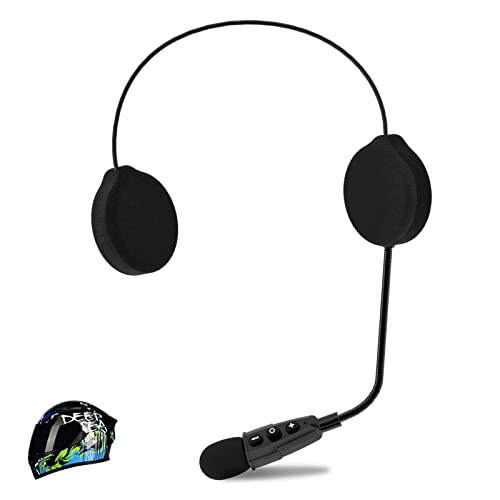
- A helmet-mount headset. A motorcycle-style helmet headset has a thin speaker pod that velcros inside the catcher's helmet over one ear. Our pick is the ELIKIDSTO IPX7 helmet headset, about $13 and rated around 50 hours per charge.
- A relay sign from catcher to pitcher, because through 2026 the pitcher cannot receive at the high school level.
Do not use earbuds, bone-conduction headbands or clip-on speakers for the catcher; they come off with the helmet or need re-seating. Install steps are in how to install a Bluetooth headset in a catcher's helmet, and more headset options in best Bluetooth headsets for catchers.
5. When does a dedicated hardware kit make sense?
When a program has the budget and wants purpose-built hardware: a keypad transmitter the coach presses by feel, receivers (audio, and on some kits wrist displays) for one or more players, and no phone in the dugout. Starter kits run $999, with additional receivers on top (full cost breakdown).
Hardware pays off most for college programs and well-funded high school teams, especially those planning to put receivers on pitchers once NFHS allows it in 2027. For most travel and youth teams the app route gives the catcher the same private call for the price of a headset. Our worth-it guide walks through the decision.
6. What about smartwatches and wrist displays?
A smartwatch or wrist receiver shows the call as text on the catcher's wrist. NFHS named smartwatches and electronic wristbands as acceptable one-way devices when it approved coach-to-catcher communication. Watches are silent and easy to re-read, which helps in loud parks, but the catcher glances down on each pitch and the throwing-hand wrist takes foul tips. MAVTRAX includes an optional Catcher Watch receiver for Apple Watch and Wear OS that shows the call alongside the headset audio. Full trade-offs: pitch calling watch vs earpiece.
Which softball pitch calling system fits your level?
| Level | Recommended | Why |
|---|---|---|
| 8U to 10U | Hand signs or a simple number card | Short menus, little stealing, kids learning to catch |
| 12U | Number system or app + headset | Pitchers add a change and drop; young catchers benefit from hearing the call |
| 14U travel | App + helmet headset (where allowed) | Bigger menus, real sign stealing, tight budgets |
| High school | App or hardware kit | NFHS allows one-way to the catcher; pitchers from 2027 |
| 16U to 18U showcase | App or hardware, with number cards as backup | Event rules vary; always carry a non-electronic fallback |
| College | Hardware kit, boards or app per program | Budget and conference rules decide |
Whatever you choose, keep the number system as your backup. A dead battery should cost you one inning of speed, not your whole signal system.
Why is pitch calling harder in fastpitch than baseball?
Bigger pitch menus, a faster tempo and shorter distances. A high school pitcher may throw a rise, drop, curve, screw, change and drop curve, plus variations like a peel drop or a flip change. Six pitches times four or five locations is 24 to 30 possible calls, which is a lot of finger combinations or a big wristband grid. The runner at second on a 60-foot diamond stands close enough to read the catcher. And the pitcher is back on the rubber quickly, so a slow exchange shows up on every pitch.
That is why fastpitch programs move from signs to numbers earlier than baseball teams, and why many move from numbers to audio once their league allows it. For how to decide the calls themselves, see how to call pitches from the dugout; for the whole category, see our electronic pitch calling systems guide.
FAQ
What is the best softball pitch calling system?
For most fastpitch programs where electronic devices are allowed, a free app on the coach's phone with a ~$13 helmet headset for the catcher: fastest, private and cheap. Where devices are not allowed, a number system on wristband cards with several rotating cards.
How does a softball pitch calling number system work?
The coach calls a number, and the catcher finds it on a wristband grid that maps each number to a pitch and location. Teams use decoy digits and several cards, switching cards when they suspect the code is cracked.
Is there a free softball pitch calling system?
Yes. Printable wristband number cards are free to make, and MAVTRAX is a free electronic option; the only purchase is a ~$13 helmet headset.
Are electronic pitch calling systems legal in high school softball?
Yes, under NFHS rules since 2025: one-way from a coach in the dugout to the catcher on defense. NFHS has approved adding pitchers from 2027. Confirm with your state association.
Do softball pitch calling wristbands work with electronic systems?
Many teams keep wristband cards as a backup to electronic calling. If the headset fails, the catcher switches to the card for the rest of the inning.
What is the best headset for a fastpitch catcher?
A motorcycle-style helmet headset with thin velcro pods mounted inside the helmet over one ear. Our top pick is about $13. Avoid earbuds and headbands.
Can the softball pitcher hear the call too?
Not under NFHS or Little League rules through 2026; only the catcher may receive. NFHS softball adds pitchers from 2027. Until then the catcher relays with one simple sign.
We're the team behind MAVTRAX, a free pitch-calling app. This is a research guide: picks are chosen on manufacturer specs, league rules, build quality and real-world price, checked against live listings, not on who pays the highest commission. We haven't hands-on tested every product. Full criteria on how we pick.
The headset that makes it work
Every setup above ends in the catcher's helmet. These are the helmet-mount units we recommend, from our headset guide (install in 5 minutes: how-to). Live price on Amazon.