Do Pitchers Wear Earpieces? MLB vs College, High School and Youth Rules (2026)
Yes, in MLB: since 2022 pitchers have worn a small receiver inside the cap that speaks the pitch call, and since 2023 they may also send calls themselves. In amateur baseball it depends on the level: NFHS high school allows only the catcher to receive through 2026 (pitchers are added in 2027), and Little League allows only the catcher. Here is who can wear what, level by level.
In this guide · 10 sections
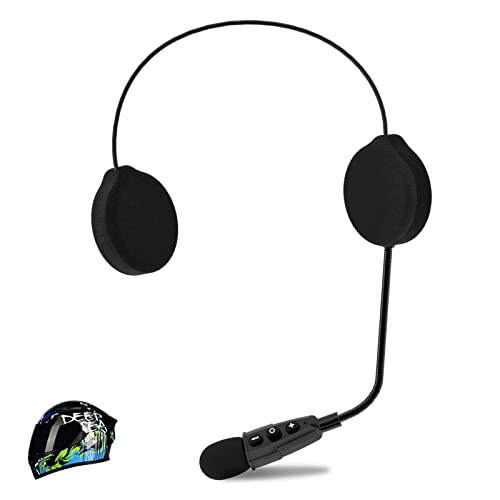
- Helmet headset
- Do MLB pitchers wear earpieces?
- Why did MLB put earpieces on pitchers?
- Can pitchers wear earpieces in college, high school and youth baseball?
- What changes for high school pitchers in 2027?
- Why do most amateur teams wire the catcher, not the pitcher?
- What does the pitcher's routine look like with a catcher earpiece?
- Can a pitcher use a watch or wristband instead?
- Which setup fits your program?
- FAQ
Key takeaways
- MLB: yes. Pitchers, catchers and up to three other fielders may wear receivers, usually tucked inside the cap. Since 2023 pitchers may also wear the transmitter and call their own pitches.
- What they hear: only the pitch call (for example "Slider, away"), in a voice and language set on the receiver. It is one-way; nobody talks back.
- High school (NFHS): not yet. Through the 2026 season only the catcher may receive; NFHS has approved adding the pitcher (baseball and softball) starting in 2027.
- Little League: no. The 2025 rule allows one-way calls to the catcher only.
- College and travel: NCAA runs its own, broader rules; travel events vary. Check your current rulebook.
- Most amateur teams wire the catcher, not the pitcher: a free app plus a ~$13 helmet-mount headset, and the catcher relays one simple sign.
Yes, MLB pitchers wear earpieces, or more precisely a small receiver tucked inside the cap that speaks the pitch call. MLB approved electronic pitch calling for the 2022 season after testing it in the minor leagues in 2021, and in 2023 it allowed pitchers to wear the transmitter too, so a pitcher can call his own pitch. That is why big-league pitchers so rarely shake off a catcher's fingers anymore.
Below MLB, the answer changes by level. High school pitchers cannot wear one in 2026 under NFHS rules (only the catcher can), but that changes in 2027. Little League pitchers cannot. College rules are broader, and travel events vary. This guide covers what MLB pitchers actually wear and hear, then the rules at each amateur level, and why most youth and high school teams put the earpiece on the catcher instead.
Do MLB pitchers wear earpieces?
Yes. In MLB, the pitcher, the catcher and up to three other fielders may wear receivers that speak the call, so up to five defensive players can hear it at once. The receiver is a small unit with a speaker that sits inside the cap (catchers wear theirs in the helmet). There is no wire and nothing hanging from the ear, which is why many fans do not notice it.
The call is sent from a transmitter: a small keypad, typically worn by the catcher on the wrist or leg guard. The catcher presses a pitch button and a location button, and every receiver on the field speaks the call. Since 2023, pitchers may also wear a transmitter (commonly on the glove, belt or wrist) and call their own pitches, which the catcher then hears.
A few details that surprise people:
- It is one-way. Receivers only listen; nobody on the field talks back through them.
- It speaks a language you choose. Receivers can be set to different languages, so a pitcher can hear the call in his first language.
- It can use code words. Teams can replace pitch names with their own terms.
- It is encrypted. The signal is designed so the other team cannot listen in.
How these dedicated systems work under the hood is covered in how electronic pitch-calling hardware works.
Why did MLB put earpieces on pitchers?
To stop sign stealing and to speed up the game. After MLB disciplined the 2017 Houston Astros for using a camera feed to decode catchers' signs and relay them to hitters, the league looked for a way to make signs unreadable. Electronic calling was tested in the minor leagues in 2021 and approved for the 2022 MLB season; teams adopted it quickly, and it arrived just ahead of the pitch clock in 2023, when a long sign exchange with a runner at second became a real cost.
Putting the call in the pitcher's cap solved two problems at once. The pitcher no longer needs to read fingers, so there is nothing to steal from second base, and a disagreement between pitcher and catcher can be settled with a button press instead of a string of shake-offs. Letting pitchers call their own pitches from 2023 was the next step: some starters prefer to drive the game themselves.
Hitters and baserunners do not wear receivers in MLB. The system is a defensive tool.
Can pitchers wear earpieces in college, high school and youth baseball?
It depends on the level, and at most amateur levels in 2026 the answer is "not yet" or "catcher only."
| Level | Pitcher may receive? | Catcher may receive? | Notes |
|---|---|---|---|
| MLB | Yes | Yes | Since 2022; up to three other fielders too; pitchers may send calls since 2023 |
| NCAA | Per NCAA rules | Yes | One-way devices approved from the 2021 to 2022 year; baseball expanded their use in 2025 |
| NFHS baseball (high school) | Not until 2027 | Yes, since 2024 | Coach in the dugout, on defense, to call pitches |
| NFHS softball (high school) | Not until 2027 | Yes, since 2025 | Coach in the dugout, on defense |
| Little League | No | Yes, since 2025 | Rule 3.17 exception, catcher only, baseball and softball |
| Travel (USSSA, Perfect Game, others) | Varies | Often | Set by organization and event |
What changes for high school pitchers in 2027?
From the 2027 season, NFHS rules will allow a coach in the dugout to send one-way pitch calls to the pitcher and/or the catcher, in both baseball and softball. The other limits stay: the coach must be in the dugout or bench area, it is defense only, it is one-way, and players still may not wear microphones or cameras.
That gives high school coaches three options in 2027:
- Keep calling to the catcher only and let the catcher relay, as teams do now.
- Call to the pitcher only, with the catcher reading a relay sign from the pitcher, or both of them hearing it.
- Call to both, removing the last visible sign from the exchange.
Wait for your state association's 2027 guidance before buying equipment for pitchers. Details on the current rule: electronic pitch calling in high school baseball.
Why do most amateur teams wire the catcher, not the pitcher?
Because the rules require it at most levels today, and because it works well even where they do not.
- Rules. NFHS (through 2026) and Little League allow the call to go to the catcher only.
- The catcher is already the relay. Once the call reaches the catcher privately, a single simple sign to the pitcher is enough. The secret part (which pitch, where) was never visible.
- Pitcher comfort. Young pitchers have enough to think about. Many coaches prefer to leave the pitcher's head and routine alone.
- Equipment. A catcher's helmet is the perfect mount for a speaker. A pitcher's cap is not, without dedicated hardware.
The typical amateur setup: the coach runs MAVTRAX, a free app, on a phone in the dugout; the catcher wears a motorcycle-style headset whose thin speaker pod velcros inside the helmet over one ear. Our pick is the ELIKIDSTO IPX7 helmet headset at about $13. The pitcher wears nothing electronic.
What does the pitcher's routine look like with a catcher earpiece?
Almost the same as before, only faster.
- The coach taps the pitch and location while the ball goes back to the pitcher.
- The catcher hears "Changeup, down and away" in the helmet in under a second and gives one simple sign.
- The pitcher nods (or shakes, if you use a shake-off) and throws.
- With a runner at second, nothing changes, because there is no sequence to hide.
Coaches who switch usually notice the pace first: the long sign exchange with runners on disappears. For how to decide the calls, see how to call pitches from the dugout.
Can a pitcher use a watch or wristband instead?
A paper wristband card is legal almost everywhere and many pitchers already wear one. The catcher or coach calls a number and the pitcher reads it off the card. Electronic wrist displays and smartwatches count as receiving devices, so at NFHS and Little League levels they follow the same catcher-only limit until the rules change. Trade-offs between wrist displays and audio are in pitch calling watch vs earpiece.
Which setup fits your program?
| Setup | Who wears what | Where it fits | Cost |
|---|---|---|---|
| App to catcher | Catcher: helmet headset | Youth, travel, high school (all current rules) | Free app + ~$13 headset |
| Hardware kit to catcher | Catcher: receiver | Programs that want no phone on the bench | $999 starter kit |
| Hardware kit to pitcher and catcher | Both: receivers | MLB, college per rules, NFHS from 2027 | $999 kit plus receivers |
| Wristband cards | Pitcher and catcher: cards | Anywhere, as primary or backup | A few dollars |
Full cost detail: pitch calling system cost. The whole category, with rules by level: electronic pitch calling systems guide.
FAQ
Do MLB pitchers wear earpieces?
Yes. Since 2022, MLB pitchers may wear a small receiver inside the cap that speaks the pitch call. Since 2023, pitchers may also wear a transmitter and call their own pitches.
What do pitchers hear in the earpiece?
Just the pitch call, such as "Fastball, down and in," in a language set on the receiver. Teams can use code words. It is one-way; the pitcher cannot talk back.
Can high school pitchers wear earpieces?
Not through the 2026 season; NFHS allows only the catcher to receive. NFHS has approved letting the pitcher and/or catcher receive one-way calls from the dugout starting in 2027.
Can Little League pitchers wear earpieces?
No. Little League's 2025 rule allows one-way communication from a coach in the dugout to the catcher only, on defense, to call pitches.
How many MLB players can wear receivers?
Up to five on defense: the pitcher, the catcher and up to three other fielders.
Can coaches talk to pitchers through the earpiece?
In MLB the system is limited to pitch calls. At NFHS and Little League levels the device is one-way from a coach in the dugout to the catcher, for calling pitches, and not to the pitcher through 2026.
Can you see the earpiece on an MLB pitcher?
Usually not. The receiver is a small unit worn inside the cap, near the ear, with no visible wire. You may notice a pitcher touch the cap brim or tilt his head when the call comes in during a loud moment.
Do pitchers need an earpiece if the catcher has one?
No. The catcher hears the call privately and relays it with one simple sign. Nothing visible reveals the pitch or location, so sign stealing is not a concern.
We're the team behind MAVTRAX, a free pitch-calling app. This is a research guide: picks are chosen on manufacturer specs, league rules, build quality and real-world price, checked against live listings, not on who pays the highest commission. We haven't hands-on tested every product. Full criteria on how we pick.
The headset that makes it work
Every setup above ends in the catcher's helmet. These are the helmet-mount units we recommend, from our headset guide (install in 5 minutes: how-to). Live price on Amazon.