Best Softball Batting Gloves for Girls & Youth (2026)
Batting gloves aren't mandatory, but they're one of the cheapest upgrades in the bag — better grip on cold mornings and sweaty afternoons, fewer blisters, and a little extra confidence at the plate. Here are the youth and girls' softball batting gloves parents actually buy, from a $13 budget pair to the do-everything overall pick.
In this guide · 10 sections
Quick picks
Our top recommendations — full reviews below.

The all-around pick most parents buy
~$20 price and availability on Amazon
View on Amazon →Key takeaways
- Batting gloves are not required, but they're cheap insurance against blisters, callouses, and a slick bat in cold or sweaty weather — and many young players just hit better with them.
- Fit is everything: a batting glove should be snug with no loose fingertips, because a loose glove bunches up and works against grip.
- Sizing runs by youth/junior labels and varies by brand — measure the hand and check each brand's size chart before buying.
- Leather palms grip well and last longer; synthetic palms are cheaper and easier to wash — a good trade for fast-growing kids.
- Our overall youth pick is the Franklin 'Grow to Pro' (about $20); the Under Armour Glyde is the best girls'-fit pick; the Franklin Flex and HANDLANDY are strong budget options near $13.
- Most players wear a matched pair, though some wear just one on the bottom (lead) hand — either is fine.
- Palms and seams wear out first; air-dry gloves and never bake them on a heater or in a dryer.
The best all-around youth softball batting glove for most players is the Franklin 'Grow to Pro' (about $20) — a popular, flexible-fitting pair that works as hands grow — with the Under Armour Glyde as the best girls'-specific fit and the Franklin Flex or HANDLANDY as genuine budget picks near $13. Batting gloves aren't required equipment, but they're one of the least expensive ways to make a young hitter more comfortable: they cut down on blisters and callouses, they hold grip when a metal bat gets cold or a palm gets sweaty, and a lot of kids simply feel more locked-in with them on.
Below are the pairs worth buying, who each is for, and a plain-English guide to sizing, palm materials, and care so a pair actually lasts the season.
At a glance
| Pick | Best for | Price* | ||
|---|---|---|---|---|
| Franklin Youth 'Grow to Pro' Batting Gloves | The all-around pick most parents buy | ~$20 | View → |
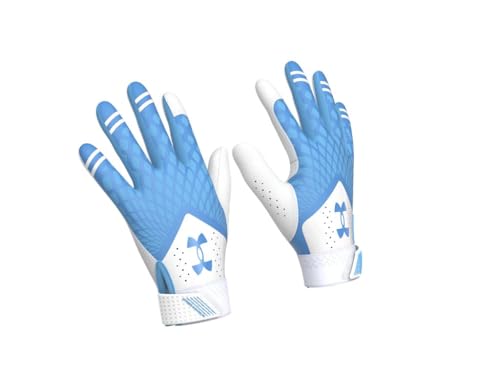 | Under Armour Girls' Glyde Batting Gloves | Girls who want the right fit and colors | ~$25 | View → |
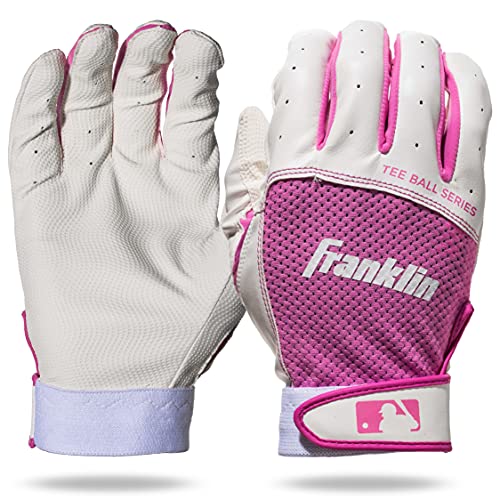 | Franklin Youth Flex Batting Gloves | Cheapest way to get a known brand | ~$13 | View → |
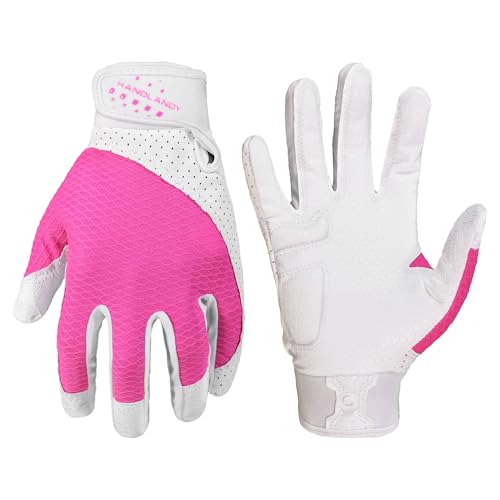 | HANDLANDY Youth Batting Gloves | A cheap second pair with good grip | ~$13 | View → |
*Prices at time of writing — they move; check the listing.
Franklin Youth 'Grow to Pro' Batting Gloves
~$20
The Franklin 'Grow to Pro' is the pair you see on the most youth fields, and it's the safe default for a reason: it's a popular, well-priced youth glove with a flexible fit that's designed to keep working as a young player's hands grow. For a kid who's between sizes — or who's going to sprout a half-inch before the season's over — that forgiving fit is exactly what you want.
It covers the basics that matter at this level: a grippy palm, a secure closure, and an easy on-and-off that a player can manage on their own in the box. If you just want the one most families and coaches already trust, start here. Check the current price and grab the size that matches your player's hand.
- Popular, proven, all-around youth pick
- Flexible fit designed to work as hands grow
- Grippy palm and secure closure
- Easy for kids to put on and take off themselves
- Pricier than the bare-budget pairs
- Growth-oriented fit can feel less dialed-in than a precise size
Under Armour Girls' Glyde Batting Gloves
~$25
The Under Armour Girls' Glyde is cut specifically for girls' hands, which is the single biggest comfort upgrade over a generic unisex glove — a glove shaped for the hand fits snugger through the fingers and palm without bunching. It also comes in colorways players actually want to wear, which sounds trivial until you've watched a kid leave a glove in the bag because they didn't like it.
It's a little more than the Franklin overall pick, but for a player who's been frustrated by gloves that feel baggy or boyish, the dedicated girls' fit is worth it. See sizes and colors here.
- Cut for girls' hands — snugger, more natural fit
- Colorways players actually want to wear
- Recognizable Under Armour build
- Great for players frustrated by baggy unisex gloves
- Costs a bit more than the budget pairs
- Premium for a piece a young player will outgrow
Franklin Youth Flex Batting Gloves
~$13
The Franklin Flex is the cheapest pair here and a perfectly sensible first glove — fine for tee-ball through younger rec players who are just getting started and don't need anything fancy. You get a recognizable brand and the basics done right at a price that doesn't sting when a fast-growing kid sizes up next season.
It's not as refined as the pricier picks, but for a young or casual player, "good enough and inexpensive" is exactly the right call. Check the price.
- Lowest price here — easy first glove
- Recognizable Franklin brand
- Fine for tee-ball through younger rec ball
- No sting when you size up next season
- Less refined fit/finish than the premium picks
- May not last multiple hard seasons
HANDLANDY Youth Batting Gloves
~$13
The HANDLANDY youth gloves are an inexpensive pair built around a grippy palm — a solid, cheap choice and an easy "second pair" to keep in the bag when the main set is in the wash or left at home. At this price you're not expecting premium materials, but the grip is the right thing to spend the budget on, and these deliver it.
If you want a backup pair, or a low-cost option for a player who's hard on gear, this is a smart pick. See the current price.
- Inexpensive with a notably grippy palm
- Great as a cheap backup/second pair
- Low-cost option for players hard on gear
- Grip prioritized over frills
- Less-known brand than Franklin or UA
- Budget materials elsewhere on the glove
Do youth players even need batting gloves?
No — batting gloves are not mandatory in softball — but they're cheap and genuinely useful, which is why most players end up wearing them. The benefits are real and add up fast: they improve grip when a metal bat is cold on an early-morning game or when palms get sweaty in the heat; they cut down on the blisters and callouses that come from a season of swings and cage work; they add a little padding and comfort; and a lot of young hitters simply feel more confident and "ready" with gloves on.
None of that is life-or-death the way a fielding mask is, but at $13–$25 a pair, batting gloves are an easy yes. If a player wants them, get them; if they truly hate the feel, plenty of good hitters go bare-handed and that's fine too. Pair them with the right youth fastpitch bat and you've covered the two things a hitter touches every swing.
How to size youth batting gloves
Measure across the palm (hand width) and from the base of the palm to the tip of the middle finger (length), then match those numbers to the brand's size chart — the glove should feel snug with no loose, empty fingertips. A batting glove that's too big bunches up in the palm and actually hurts grip, which defeats the point; one that's slightly snug breaks in and stays put. Most youth gloves are labeled by "youth" or "junior" sizing, and brands run differently — a "youth medium" in one brand is not always the same as another — so always check the specific size chart rather than assuming.
When a fast-growing kid is between sizes, lean toward the snugger fit for grip, or pick a forgiving "grow" style like the Franklin overall pick above.
| Step | What to do |
|---|---|
| 1. Measure width | Wrap a tape around the palm (just below the knuckles); note the inches. |
| 2. Measure length | Measure from the base of the palm to the tip of the middle finger. |
| 3. Match the chart | Use the specific brand's youth/junior size chart — they differ. |
| 4. Check the fit | Snug everywhere, no loose or empty fingertips; the closure pulls firm. |
Leather vs. synthetic palms
Leather palms grip better and last longer but cost more; synthetic palms are cheaper and easier to throw in the wash — usually the better trade for fast-growing young players. A leather palm molds to the hand and holds up to a season of swings, which is why higher-end gloves use it. But a young player who's going to outgrow the glove in a year doesn't need that longevity, and a synthetic palm that you can clean easily is often the smarter, cheaper buy at the youth level. Both grip plenty for the swings a kid is taking — spend up on leather only if the player is older or genuinely hard on gear.
One glove or two?
Most players wear a matched pair on both hands, but some wear a single glove on the bottom (lead) hand — either is fine. A pair gives even grip and protection across both hands, which is why it's the default and why gloves are sold in pairs. The one-glove approach is more of a personal-feel thing some hitters prefer; it's not better or worse, just a preference. For a young player, start with a pair — it's what nearly everyone does, and it keeps both hands comfortable and blister-free.
Care and durability: making a pair last
Palms and seams wear out first, so air-dry batting gloves after use and never bake them on a heater, in a hot car, or in a clothes dryer. Heat dries out and stiffens the palm material — leather especially — and breaks down the glove faster than the swings ever will. After a sweaty game, pull the gloves off, open them up, and let them air-dry; for synthetic-palm gloves you can usually wash them gently and air-dry per the label. Store them loose rather than crushed at the bottom of a bag. Treated this way, even an inexpensive pair will make it through a season.
When to size up
Size up when the gloves get tight across the palm or short in the fingers, or when the fit goes from snug to genuinely pinching — a too-small glove hurts grip and comfort just like a too-big one. Kids grow fast, and a glove that fit perfectly in the fall can be a knuckle-pincher by spring. The tells are easy to spot: fingertips poking at the seams, a closure that won't pull comfortably firm, or a player who keeps flexing and adjusting in the box. Because young players outgrow gloves so quickly, this is the strongest argument for the budget pairs and the forgiving "grow" fit — you'll be buying again sooner than you think.
Also worth a look
 Louisville Slugger Diva (-11.5) Fastpitch BatA youth fastpitch bat to pair with the gloves~$40 · View on Amazon →
 Youper Youth Padded Sliding ShortsPadded sliding shorts for the same player~$18 · View on Amazon →
FAQ
What are the best softball batting gloves for girls and youth?
For most youth players, the Franklin 'Grow to Pro' (around $20) is the best all-around pick thanks to its flexible, grow-with-you fit. The Under Armour Girls' Glyde (around $25) is the best girls'-specific fit, and the Franklin Flex and HANDLANDY (both around $13) are strong budget options.
Do youth softball players need batting gloves?
No — they're not mandatory — but they're cheap and genuinely useful. Batting gloves improve grip in cold or sweaty conditions, cut down on blisters and callouses, add comfort, and help many young hitters feel more confident. At $13–$25 a pair, they're an easy yes if a player wants them.
How should youth batting gloves fit?
Snug, with no loose or empty fingertips. A too-big glove bunches up in the palm and hurts grip; a slightly snug glove breaks in and stays put. Measure the hand's width and length and match the specific brand's size chart, since brands run differently.
How do I size youth batting gloves?
Measure across the palm (hand width) and from the base of the palm to the tip of the middle finger (length), then match those numbers to the brand's youth/junior size chart. Always use the specific brand's chart — a 'youth medium' isn't the same across brands.
Are leather or synthetic batting glove palms better?
Leather palms grip better and last longer but cost more; synthetic palms are cheaper and easier to wash. For fast-growing young players who'll outgrow the glove soon, an easy-to-clean synthetic palm is often the smarter, cheaper choice.
Should a player wear one batting glove or two?
Most wear a matched pair on both hands, which is the default and gives even grip and protection. Some hitters prefer a single glove on the bottom (lead) hand — that's a personal preference and perfectly fine. Start a young player with a pair.
How do I make batting gloves last?
Air-dry them after use and never bake them on a heater, in a hot car, or in a dryer — heat stiffens and breaks down the palm. Store them loose rather than crushed in a bag. Synthetic palms can usually be washed gently and air-dried per the label.
When should I buy the next size up?
When the gloves get tight across the palm or short in the fingers, or when the snug fit turns to pinching. Tells include fingertips poking the seams and a closure that won't pull firm. Because kids outgrow gloves fast, budget pairs and 'grow' fits make sense.
We're the team behind MAVTRAX — pitch-calling software used by baseball and softball teams from 9U travel ball up. We spend our days around dugouts, gear bags and tournament weekends. Picks are chosen on specs, durability for youth-sports abuse, real-world price, and owner feedback — not on who pays the highest commission. Full criteria on how we pick.