Best Softball Bat Backpacks for Girls (2026): Bags That Carry the Whole Kit
A softball player hauls a bat or two, a glove, a helmet, cleats, water, and sliders to every game — and a good bat backpack carries all of it on her own shoulders. Here are the bags parents actually buy, from a $20 value pick to the biggest-capacity hauler.
In this guide · 9 sections
Quick picks
Our top recommendations — full reviews below.

Most youth players, at the best price
~$20 price and availability on Amazon
View on Amazon →Key takeaways
- A softball bat backpack should have external bat sleeves (usually two), a separate or vented spot for dirty cleats, a helmet pocket, and a fence/dugout hook so it hangs off the chain-link.
- A backpack is right for most youth players who carry their own gear; a wheeled bag makes more sense for catchers and players hauling a lot of equipment.
- Match the size to the player and her gear load — a tee-baller needs far less bag than a 14U player with two bats and catcher's gear.
- Zippers and straps fail first — the difference between a one-season bag and a multi-season one is usually the hardware, not the fabric.
- Our value pick is the Rawlings REMIX (about $20); for organization the VIGEGARI; for girls' colorways the KAVIGOR; for the most room the DAFISKY.
- Air the bag out between games — softball gear gets wet and smelly fast, and a closed-up bag of damp cleats is the source of the dugout funk.
The best all-around softball bat backpack for most girls is the Rawlings REMIX at around $20 — a trusted-brand bag that's the right size for tee-ball through youth — with the VIGEGARI for the best organization, the KAVIGOR for girl-friendly colors and fit, and the DAFISKY when you need the biggest capacity. A softball player's bag isn't a backpack with a logo on it; it's a system for carrying a bat (or two), a glove, a helmet with a mask, cleats, a water bottle, and sliders — and ideally hanging all of it off a dugout fence so it stays off the dirt.
Below are the bat backpacks worth buying, who each one is for, and how to choose the right size and features so the bag survives the season.
At a glance
| Pick | Best for | Price* | ||
|---|---|---|---|---|
| Rawlings REMIX Backpack Equipment Bag | Most youth players, at the best price | ~$20 | View → |
 | VIGEGARI Youth Bat Backpack | Players who want everything in its place | ~$25 | View → |
 | KAVIGOR Softball Backpack (Girls) | Girls who want a bag that looks like theirs | ~$25 | View → |
 | DAFISKY Softball Backpack | Players who haul more gear than the rest | ~$27 | View → |
*Prices at time of writing — they move; check the listing.
Rawlings REMIX Backpack Equipment Bag
~$20
The Rawlings REMIX is the bag we point most families to first: it comes from a name parents already trust, it's priced around $20, and it's sized right for the tee-ball-through-youth range where kids are still growing into their gear. It carries the everyday softball load — bat, glove, helmet, cleats, water — without being the oversized hauler a young player will struggle to lug across a parking lot.
For a player who's just starting out, or one who'll size up to a bigger bag in a season or two, the REMIX hits the value sweet spot. It does the job without the premium-bag sticker price.
- Trusted Rawlings brand at a low price
- Right size for tee-ball through youth
- Carries the everyday softball kit
- Easy first bag for a new player
- Too small for older players hauling more gear
- Fewer organizational compartments than pricier bags
VIGEGARI Youth Bat Backpack
~$25
If your player is the type who dumps the whole bag looking for one batting glove, the VIGEGARI is the fix. It's built around organization: dedicated bat sleeves keep the bats secured and out of the main compartment, a fence hook lets it hang off the dugout chain-link, and the compartments are laid out so the glove, helmet, and small gear each have a home.
Good organization isn't just tidiness — it's faster gear-up at the field and fewer "where's my mouthguard" meltdowns before the first pitch. For a few dollars more than the value pick, the VIGEGARI buys a noticeably more thought-out layout.
- Dedicated bat sleeves keep bats secured
- Fence hook for hanging off the dugout
- Well-organized compartments
- Good value at around $25
- Youth-oriented sizing
- More compartments than a minimalist player needs
KAVIGOR Softball Backpack (Girls)
~$25
The KAVIGOR leans into girl-friendly colorways, which matters more than parents sometimes expect — a player who likes how her bag looks is a player who keeps track of it and takes pride in it. Beyond the colors, it includes a helmet pocket so the helmet (and its mask) rides in its own dedicated spot instead of crushing the rest of the gear.
It's priced right alongside the VIGEGARI at about $25, so the choice between them often comes down to whether organization or colors/fit is the deciding factor for your player.
- Girl-friendly colorways
- Dedicated helmet pocket
- Affordable at around $25
- Appeals to players who want their own look
- Style-driven, so colorways can vary by availability
- Youth-oriented capacity
DAFISKY Softball Backpack
~$27
Some players just carry more — an extra bat, a second glove, a full set of sliders and spare layers, the works. The DAFISKY is the larger bag here, built for the player who consistently maxes out a smaller pack. If your player is forever wrestling the zipper shut on a youth bag, the extra room solves it.
Bigger isn't automatically better — a young player can find a large bag awkward to carry — but for an older or gear-heavy player, capacity is the feature that matters most, and the DAFISKY delivers it at around $27.
- Largest capacity here
- Room for an extra bat and spare gear
- Suits older or gear-heavy players
- Reasonable price for the size
- Can be bulky for a small, young player
- More bag than a minimalist needs
What to look for in a softball bat backpack
The features that separate a real softball bat backpack from a generic school bag are external bat sleeves, a vented or separate dirty-gear compartment, a helmet pocket, and a fence hook. Here's why each one matters:
| Feature | Why it matters |
|---|---|
| External bat sleeves (usually 2) | Keep bats secured outside the main compartment, so they don't bang around or crush the soft gear |
| Vented / separate shoe compartment | Isolates dirty, often-wet cleats from the glove and clothes — and lets the funk breathe out |
| Helmet pocket | Gives the helmet (and its mask) its own spot instead of crushing everything else |
| Fence / dugout hook | Hangs the bag off the chain-link so it stays off the dirt and is easy to reach mid-game |
| Padded straps | Make a loaded bag bearable on a kid's shoulders across a big complex |
Most of the bags here cover the core of this list. If you only insist on two things, make them external bat sleeves and a fence hook — they're the features that define a real bat backpack.
Backpack vs. wheeled bag: which is right?
A backpack is the right choice for most youth players who carry their own gear; a wheeled bag makes more sense for catchers and players hauling a lot of equipment. A backpack keeps a player self-sufficient — she shoulders her own kit, hangs it on the fence, and she's set. That independence is exactly what you want for a developing player.
The flip side is load. A catcher's gear — chest protector, leg guards, mask — plus bats and the rest can overwhelm a backpack and a young player's shoulders. That's when a wheeled bag earns its keep. If your player is a catcher or simply carries a mountain of gear, see our guide to the best catcher's gear bags for wheeled options built for the load.
Sizing by age and how much gear a softball player carries
Match the bag size to the player and her actual gear load, not to the biggest bag on the shelf. A softball player's standard haul is a bat (sometimes two), a glove, a helmet with a mask, cleats, a water bottle, and sliders — and that load grows as she moves up in age. A tee-baller needs a fraction of what a 14U player carries.
| Player | Bag guidance |
|---|---|
| Tee-ball / early youth | A compact youth backpack (like the REMIX) — don't oversize it |
| Youth / travel ball | A standard bat backpack with bat sleeves and a helmet pocket |
| Older / gear-heavy (incl. extra bat) | A larger-capacity backpack (like the DAFISKY) |
| Catchers | Often a wheeled bag — see our catcher's bag guide |
When in doubt for a fast-growing player, a bag with a little headroom beats one she's already maxing out — but a bag that's too big to carry comfortably defeats the point of a backpack.
Durability: what fails first
On a softball bag, the zippers and straps fail long before the fabric does. A bag gets stuffed, zipped under tension, dropped, and hung off a fence dozens of times a season — and it's the hardware that gives out. When you're comparing bags, look at the zipper pulls and the stitching where the straps anchor to the body; that's where a cheap bag shows its price and where a good one earns its keep.
You can extend any bag's life with simple habits: don't force an overstuffed zipper, hang the bag by its proper handle or hook rather than yanking a strap, and empty it out instead of leaving wet gear to rot the lining. A $20 bag treated well can outlast a pricier one that's abused.
Organization tips that keep the bag (and the player) sane
The bag only works if the gear lives in the same place every time. Assign a home for each item — bats in the sleeves, helmet in its pocket, cleats in the vented compartment, small stuff (mouthguard, batting gloves, sunscreen) in a zip pocket — and the pre-game scramble largely disappears. This is where a well-compartmentalized bag like the VIGEGARI pays off over a plain sack.
Finally, air the bag out between games. Softball gear gets wet and dirty, and a closed-up bag of damp cleats is the source of that unmistakable dugout smell. A drying rack at home keeps the whole kit from turning sour between game days.
Also worth a look
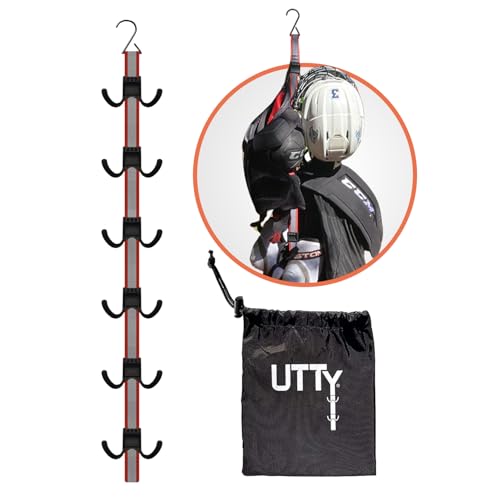 UTTY Portable Gear Drying RackDry the gear between games to kill the smell~$30 · View on Amazon →
 Youper Youth Padded Sliding ShortsPadded sliding shorts~$18 · View on Amazon →
FAQ
What is the best softball bat backpack for girls?
For most players, the Rawlings REMIX (around $20) is the best value — a trusted brand sized right for tee-ball through youth. The VIGEGARI is best for organization, the KAVIGOR for girl-friendly colors and a helmet pocket, and the DAFISKY when you need the most capacity.
What features should a softball bat backpack have?
Look for external bat sleeves (usually two), a vented or separate compartment for dirty cleats, a helmet pocket, a fence/dugout hook so it hangs off the chain-link, and padded straps. Bat sleeves and a fence hook are the two that define a real bat backpack.
Backpack or wheeled bag for softball?
A backpack is right for most youth players who carry their own gear and keeps them self-sufficient. A wheeled bag makes more sense for catchers or players hauling a lot of equipment — see our catcher's gear bag guide for those.
How much gear does a softball player carry?
A typical load is a bat (sometimes two), a glove, a helmet with a mask, cleats, a water bottle, and sliders. That load grows as the player moves up in age, which is why sizing the bag to the player matters.
What size bat backpack should I get?
Match it to the player. A compact youth bag suits tee-ball and early youth; a standard bat backpack covers youth and travel ball; a larger bag (like the DAFISKY) suits older or gear-heavy players carrying an extra bat. Don't oversize a bag a young player has to lug.
What fails first on a softball bag?
The zippers and straps, almost always before the fabric. When comparing bags, check the zipper pulls and the stitching where straps anchor to the body. Don't force overstuffed zippers and hang the bag by its handle or hook to make it last.
How do I get the smell out of a softball bag?
Air it out between games and don't leave wet cleats sealed inside. A vented shoe compartment helps, and drying the gear at home — on a rack, for example — keeps the whole kit from turning sour between game days.
How much should I spend on a softball bat backpack?
Between about $20 (Rawlings REMIX) and $27 (DAFISKY) covers the picks here. The REMIX is the value sweet spot for most youth players; spend a few dollars more for better organization or more capacity if your player needs it.
We're the team behind MAVTRAX — pitch-calling software used by baseball and softball teams from 9U travel ball up. We spend our days around dugouts, gear bags and tournament weekends. Picks are chosen on specs, durability for youth-sports abuse, real-world price, and owner feedback — not on who pays the highest commission. Full criteria on how we pick.