The Travel Baseball Tournament Day Guide (2026): Checklists, Timeline, Brackets and the Between-Games Playbook
To survive a travel baseball tournament day, arrive 60 minutes before the first game, pack three bags (player, parent, car), refuel within 30 minutes of every game, and treat every later start time as an estimate. This is the operations manual: how pool play and brackets work, the hour-by-hour timeline, the packing checklists, the between-games recovery routine, heat, rain and lightning rules, and the coach's and team parent's checklists.
In this guide · 13 sections
- Helmet headset
- How do travel baseball tournaments work? Pool play, brackets and seeding
- What to pack: the three-container system
- What time should you arrive, and how does the day flow?
- The cooler: fueling four games
- The between-games playbook (where game 4 is won)
- Heat: the real opponent of summer ball
- Rain, lightning and weather delays
- The coach's tournament-day checklist
- The team parent's checklist
- Multi-day and hotel-weekend logistics
- Also worth a look
- FAQ
Key takeaways
- Pack for the day you're afraid of, not the day on the schedule: the 8am pool game that becomes a 7pm bracket final is the weekend that breaks unprepared families.
- Three containers, three jobs: the player's gear bag (baseball), the parent's day bag (survival), and the car staples that never unload (backups).
- Know the format: pool play seeds the bracket, usually by record, then head-to-head, then runs allowed. That is why a 12 to 2 loss hurts more than a 5 to 4 loss on Saturday.
- Between games is a skill: shade, food within 30 minutes, wet clothes off, cleats off. The fourth-game kid is made in the second-game break.
- Heat and lightning have hard rules: hydration starts the day before, and play stops for lightning until 30 minutes after the last strike or thunder (follow the event's policy).
- Charge everything Friday night on one power strip: the calling phone, the helmet speaker, the scorer's tablet, and the power bank itself.
Quick answer: arrive 60 minutes before your first scheduled game, set up shade first, pack three bags (the player's gear, the parent's day bag, and car backups), refuel with a small snack within 30 minutes after every game, rest in the shade between games instead of taking extra swings, and never leave the complex on a "probably," because bracket times move. That is the whole system. The rest of this page is the detail.
Nobody warns you that travel baseball is 10 percent baseball and 90 percent operations. The game takes 90 minutes; the tournament takes 13 hours: arrival windows, gear management, food, heat, weather delays, and keeping an 11-year-old's body and attitude ready for a 6pm bracket game that was scheduled for 3. We spend summer weekends at these events (we build MAVTRAX, the pitch-calling app, and tournament fields are our test lab), and the families who thrive are never the most talented. They have systems. This is the system. If you are shopping for the sideline gear itself, that list lives in our tournament gear roundup; this page is how to run the day.
How do travel baseball tournaments work? Pool play, brackets and seeding
Most weekend travel tournaments follow the same shape, and understanding it explains every scheduling surprise:
- Pool play (usually Saturday): each team plays 2 or 3 games against teams in its pool. Games have time limits, commonly 1 hour 30 minutes to 1 hour 45 minutes, with a "no new inning after" rule.
- Seeding: pool results rank every team for the bracket. The usual tiebreakers, in order, are record, head-to-head, then runs allowed (sometimes run differential with a cap), then runs scored, then a coin flip. Check the event's rule sheet for the exact order.
- Bracket play (usually Sunday): single elimination. Higher seeds get the better slots and sometimes a bye. Game times are listed as "3pm or 30 minutes after game 14," so the schedule slides all day.
| Format term | What it means for your family |
|---|---|
| Guaranteed games | The minimum you will play (often 3 or 4). Plan hotel nights around the maximum, not this. |
| Runs allowed tiebreaker | Why coaches keep playing hard in a blowout: every run allowed can cost a seed. |
| Time limit / drop dead | Games can end mid-inning at the limit; ties may go to an extra-inning tiebreaker (often a runner on second). |
| Run rule | Lopsided games end early (a common ladder is 15 after 3, 12 after 4, 8 after 5). Your next game may move up. |
| Stay-to-play | Out-of-town teams must book the event's hotel block. |
Rules that differ by sanction (leads, bat stamps, pitch limits) are in our youth baseball rules by age chart. Read the event's rule sheet on Friday night; it is usually two pages.
What to pack: the three-container system
Container 1: the player's bag (their responsibility to pack, your job to audit Friday night; a bat backpack works for most players, a wheeled bag for catchers):
| Item | The detail that matters |
|---|---|
| Glove(s) and bat(s) | Bat legal for THIS event's sanction: check the stamp, not the assumption |
| Helmet, cleats and turf shoes | Turfs for warm-ups and turf-only facilities; cleats OFF between games |
| Full uniform plus a COMPLETE spare | Socks to jersey. The kid who slides into a puddle in game one thanks you at noon |
| Batting gloves (2 pairs) | A dry pair for the afternoon |
| Large water jug | The half-liter bottle is decoration, not hydration |
| Catcher's kit (if applicable) | All four pieces plus the helmet speaker charged: kit checklist |
| Sunglasses, eye black, sunscreen stick | For outfielders facing afternoon sun |
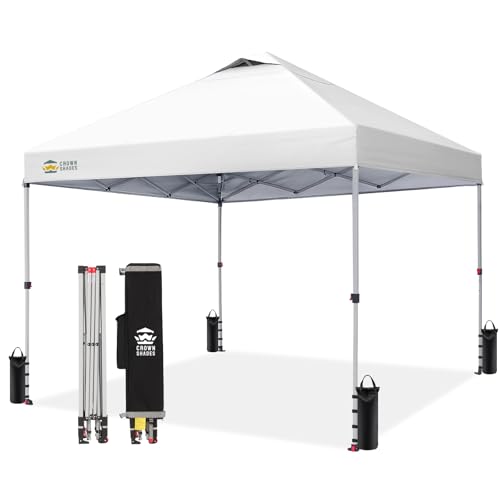
Container 2: the parent's day bag: sunscreen (reapplied, not just applied; a kids' SPF 50 spray two-pack (about $14) lasts a season), portable chairs, a shade canopy or umbrella, the cooler, the power bank, a compact first-aid kit (about $10) with blister care, cash for gate fees (many events are cash or app only), and the printed schedule, because phones die and brackets change.
Container 3: the car staples that never unload: a towel roll, trash bags (wet-gear transport and ponchos of last resort), a backup hat, duct tape and zip ties, a foam roller, rain ponchos, a spare phone cable, and one more pair of socks. The car is your equipment room; treat it like one.
What time should you arrive, and how does the day flow?
The timeline veterans run, from the night before to the last out:
- Night before: everything charges on ONE power strip (calling phone, helmet speaker, tablet, power bank), bags audited and IN THE CAR, uniforms laid out, water bottles half-frozen, schedule screenshotted by two adults, the event's rule sheet read.
- Arrival, 60 to 45 minutes before first pitch: find your field AND your next possible field, claim shade for base camp (canopy up before chairs down), gate fees paid, player to the team.
- 45 to 15 minutes before: the team warm-up. A structured routine (see our practice plan templates) beats a lazy long-toss line. Coach's 30-second tech check: helmet speaker on, connected, one test call.
- During the game: parents hydrate too, somebody tracks pitch counts live (a metal tally clicker (about $14) is the simplest tool), and the scorebook stays current, because seeding disputes are settled by runs-allowed math more often than you would think.
- The moment the game ends: the between-games playbook (below) starts immediately; the first 15 minutes matter most.
- Bracket time: "3pm or 30 minutes after game 14" means nothing is fixed. Check the bracket after every round, follow the tournament director's update channel, and never leave the complex on a "probably."
| Gap between games | What to do |
|---|---|
| Under 1 hour | Stay at the field: snack, shade, dry socks, re-warm |
| 1 to 3 hours | Shade base camp, real food early in the gap, then genuine rest |
| 3 hours or more | Leave only if the complex is close and someone is watching the bracket; be back 60 minutes early |
The cooler: fueling four games
Concession-stand nachos at 10am is how game-three energy dies. The cooler plan that survives contact with a 12-year-old:
| When | What works | What backfires |
|---|---|---|
| Before game 1 | Real breakfast at home or the hotel: eggs, oats, fruit | Donut-table loading |
| Between games (the 30-minute window) | Half a sandwich, fruit, pretzels, chocolate milk: small and fast | The full meal that sits like a rock in game 3 |
| All day | Water as the default; a sports drink during long hot games | Energy drinks, soda, the blue slushie |
| The long gap (2+ hours) | A real meal, eaten early in the gap, then shade rest | Eating 20 minutes before first pitch |
| After the last game | Whatever they want. They earned it. This is the memory part. | Nothing |
Freeze half the water bottles Friday night: they are ice packs in the morning and cold water by noon. Pack for the younger siblings too; the whole operation runs on their morale. A 1-gallon insulated jug (about $38) per player ends the refill runs.
The between-games playbook (where game 4 is won)
The fourth-game kid, the one still quick at 6pm, is manufactured in the breaks. The sequence, in order:
- First 5 minutes: wet stuff off. Jersey swapped if soaked, cleats off, socks checked (blisters end weekends). Catchers: full kit off and draped to dry, never sealed in the bag.
- Minutes 5 to 30: food and fluid in the shade. The cooler plan above. Sitting in shade with feet up is recovery; wandering the complex in cleats is not.
- The middle of the gap: actual rest. Cards, a movie on a tablet, a nap in the car with the AC: anything that is not more baseball. The kids taking 200 bonus swings in the practice cage during a 3-hour gap are borrowing from game four.
- 30 minutes before the next game: switch back on. Re-dress, a shorter dynamic re-warm-up (6 to 8 minutes), arms rebuilt gradually. Coaches: re-run the tech check; phones and speakers that sat in the sun drain fast, so top up from a 20,000 mAh power bank (about $27).
- The emotional reset: whatever happened in game two stays in game two. The car is a no-coaching zone; the drive-home autopsy, if it must happen, happens tomorrow. (The whole investment is for the kid asleep in the back seat loving this. Protect that.)
Heat: the real opponent of summer ball
July tournaments are heat-management events with baseball attached. The non-negotiables (your tournament's heat policy is the floor; these are the practical layer on top):
- Hydration starts the day before. A player who arrives under-hydrated cannot catch up at the field. Pale-yellow rule all week before a heat-index weekend.
- Shade is equipment. Dugouts overflow and bleachers bake. Set up the canopy first, before chairs, before anything.
- Rotate the cooling: cold towels on necks between innings (a Chilly Pad cooling towel (about $12) works when wet and snapped), ice water refills every break, and the frozen-bottle trick.
- Watch the QUIET kid: heat trouble at youth tournaments often looks like a player going silent and slow, not a dramatic collapse. Headache, dizziness, nausea, confusion, or chills in the heat mean stop, cool, and get the on-site trainer or medical staff immediately, mid-inning if needed. Call 911 for confusion or collapse.
- Catchers carry double heat load: full gear in July sun. Extra fluid checks, gear fully off every break, and a smart coach rotates catchers on triple-header days.
- Adults too: the scorekeeper in full sun and the coach pacing the third-base line are on the same clock as the players.
Rain, lightning and weather delays
Weather is the other schedule-killer, and it has firmer rules than heat:
- Lightning: most events follow the standard guidance to clear the field at the first thunder or lightning and wait until 30 minutes after the last strike or thunder before resuming, with the clock resetting on each new strike. Follow the tournament director's call; a car or enclosed building is the safe place, not a dugout or canopy.
- Rain delays: the tournament director decides. Stay close, keep phones charged, and assume play resumes until told otherwise. Delays usually shorten pool play (time limits reduced, games cancelled) and can change seeding rules; the rule sheet says how.
- Wet gear: spare socks and uniform, a towel for the bat grip, and a trash bag for the muddy stuff. A hanging gear drying rack (about $30) at home or on the hotel shower rod saves Sunday's kit.
- Cold fall tournaments: fleece baselayer under the jersey, hand warmers in back pockets, alloy bats instead of composite below about 60 degrees. Full cold-weather list in our fall ball checklist.
The coach's tournament-day checklist
What the head coach and assistants handle before and during the day:
| When | Task |
|---|---|
| Thursday | Read the rule sheet: time limits, pitching limits, bat rules, courtesy runners, tiebreakers |
| Friday | Pitching plan for the whole event, not one game (who throws when, and rest after each count). Charge the calling phone and every helmet speaker |
| Before each game | Lineup card, bat check, pitch count sheet, scorebook, one test pitch call |
| During | Track pitches and innings live; keep an eye on the clock for the no-new-inning cutoff |
| After each game | Report the score, confirm the next field and time, update the pitch count sheet |
For pitch calling, the free MAVTRAX app runs offline once loaded, which matters at complexes with poor signal; the catcher hears the call through a helmet-mount Bluetooth headset (about $13) velcroed inside the helmet. The rest of the coach's toolkit is in the travel coach tech stack.
The team parent's checklist
- Share the schedule and field map in the team chat Friday, with the rule sheet attached.
- Coordinate base camp: who brings canopies, where the team sets up, a shared cooler or snack rotation.
- Track the bracket and post updates after every round, so the coach does not have to.
- Hotel block and room-shares: collect names early; stay-to-play blocks sell out.
- First-aid and weather: know where the trainer, the restrooms and the nearest shelter are.
- Scorekeeping and streaming: line up volunteers (how to livestream youth baseball for grandparents at home).
Multi-day and hotel-weekend logistics
The out-of-town versions add a layer. The veteran moves:
- The hotel gear triage: everything OUT of the bags in the room, wet items on the shower rod or near the AC, gloves and electronics never left in the car overnight (heat damages both; see glove care).
- Saturday night is a school night: the pool closes early for your family. The 8am Sunday semifinal does not care about the 10pm pool party. It is the least popular, most correct rule in travel ball.
- Room-share economics: splitting with another family halves the biggest line in the travel baseball budget, and the built-in playmate solves the sibling-morale problem.
- Sunday packing discipline: check out BEFORE the first game (bracket runs do not wait for hotel checkout), pack the car in reverse-need order, and plan the celebration dinner for the road home: win or lose, the weekend ends on food they love.
- The laundry protocol: a dedicated trash bag for Saturday's uniform means Sunday's spare stays clean. One-uniform families become two-uniform families by August.
Also worth a look
 20,000mAh Power Bank (22.5W)The item this entire guide keeps mentioning: everything dies by game three without it.~$27 · View on Amazon →
 Athletico Dominator Catcher's BackpackA big player bag for the three-container system (fits catcher's gear).~$60 · View on Amazon →
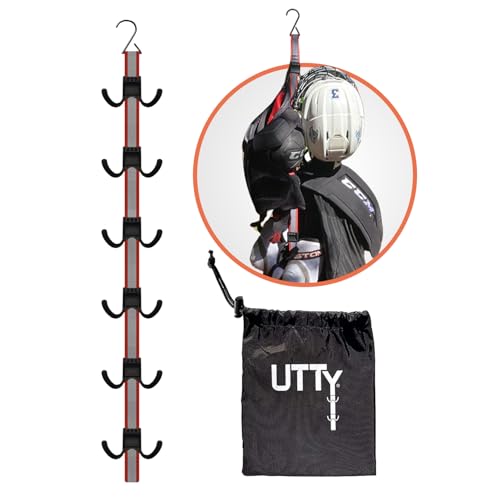 UTTY Portable Gear Drying RackThe home half of the wet-gear protocol: Sunday's kit dries Monday, not Friday.~$30 · View on Amazon →
FAQ
What should I pack for a travel baseball tournament?
Three containers: the player's bag (gloves, a bat legal for the event, helmet, cleats and turf shoes, a full spare uniform, a large water jug), the parent's day bag (sunscreen, chairs, shade canopy, cooler, power bank, first aid, cash, printed schedule), and car staples (towels, trash bags, spare socks, ponchos, duct tape). Pack Friday night.
What time should you arrive before a tournament game?
About 60 minutes before the first scheduled game of the day, for base camp setup and a full team warm-up. Treat every later start time as an estimate, because brackets run early and late, and never leave the complex on a probably.
How does pool play seeding work in travel baseball?
Teams are ranked after pool play, usually by record first, then head-to-head, then runs allowed, then runs scored, with a coin flip as the last resort. The exact order is in each event's rule sheet, which is why runs allowed in a lopsided game still matter.
How do players stay fresh for multiple games in one day?
Wet gear off in the first five minutes, a small snack within thirty (half a sandwich and fruit beats a full meal), real rest in the shade during the gap rather than bonus batting practice, then a short 6 to 8 minute re-warm-up starting thirty minutes before the next game.
What do kids eat between tournament games?
Small and fast: half a sandwich, fruit, pretzels, chocolate milk. Save real meals for gaps of two hours or more, eaten early in the gap. Water is the all-day default with sports drinks during long hot games.
What happens when there is lightning at a baseball tournament?
Play stops and players and spectators move to a car or enclosed building. Most events wait until 30 minutes after the last lightning strike or thunder before resuming, restarting the clock with each new strike. The tournament director makes the call.
How much water should a youth player drink at a tournament?
More than a bottle: bring a large jug and refill it, and start drinking the day before so the player arrives hydrated. Follow the tournament's heat policy, push fluids every inning break in summer, and treat a player going quiet and slow as a heat warning, not fatigue.
What's the most-forgotten item at travel tournaments?
The complete spare uniform (socks included) and the charged power bank tie for first. Honorable mentions from team parents: sunscreen reapplication, cash for gate fees, and a printed schedule for when phones die.
We're the team behind MAVTRAX, a free pitch-calling app. This is a research guide: picks are chosen on manufacturer specs, league rules, build quality and real-world price, checked against live listings, not on who pays the highest commission. We haven't hands-on tested every product. Full criteria on how we pick.
The tournament-day kit
Top picks from our full guide. Live price on Amazon.