Pitch Location Chart (2026): The 9 Strike Zone Locations Explained, and Where to Throw Each Pitch
A pitch location chart splits the strike zone into nine boxes (up, middle, down by in, middle, away), numbered 1 to 9 from the catcher's view. Down and away is the money zone. Save this chart: the numbered grid for righties and lefties, the 13-zone chase chart, how to chart pitches during a game, and the count-by-count location strategy that turns a thrower into a pitcher.
In this guide · 17 sections
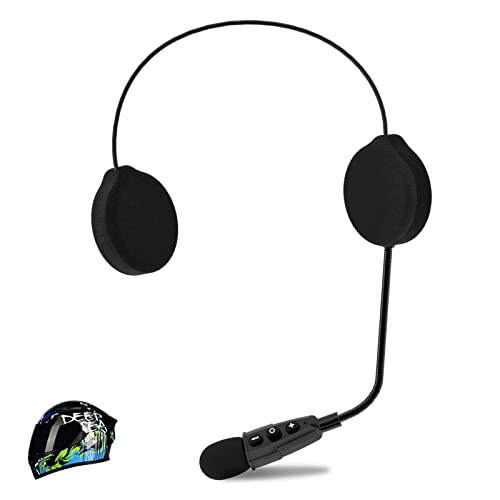
- Helmet headset
- The 9-zone grid: every location's job
- The pitch location chart, numbered 1 to 9
- The 13-zone chart: adding the chase zones
- How big is each location? The strike zone in inches
- Pitch locator: how to chart pitch locations during a game
- Glove side and arm side: the language pitching coaches use
- Practice tools that make locations visible
- The count-strategy cheat sheet
- Why location beats velocity in youth ball
- Teaching the grid to young pitchers
- The sequencing library: six patterns that win
- The pitch × location matrix
- The youth umpire reality (call what gets called)
- Command drills: making the grid trainable
- Reading hitters: stance tells → location plan
- FAQ
Key takeaways
- The strike zone breaks into a 3×3 grid: up/middle/down × in/middle/away, and every location has a specific job.
- Down-and-away is the money location: the hardest zone for any hitter to drive, and the foundation every sequence is built from.
- 'In' means inside to THIS batter: locations flip with handedness, which is why calling systems (and MAVTRAX) speak in in/away, not left/right.
- Middle-middle isn't a location, it's a miss. The grid's center square is where every other zone's mistakes go to die.
- Location beats velocity at every youth level: a 52-mph fastball down-and-away out-pitches a 58-mph fastball middle-middle, every time.
- Screenshot the count-strategy table: it's the game-calling cheat sheet for a young catcher or a first-year coach.
Quick answer: a pitch location chart divides the strike zone into nine boxes, three rows (up, middle, down) by three columns (in, middle, away), usually numbered 1 to 9 left to right, top to bottom, from the catcher's point of view. Coaches call a pitch plus a box ("fastball, 9" or "fastball, down and away"), and charters mark where each pitch actually crossed. Four more "chase" zones outside the box make it a 13-zone chart at higher levels.
Ask a youth pitcher what they threw and they'll say "fastball." Ask a good coach and they'll say "fastball, down and away." The location half of the pitch call is where games are actually won. It's why a modest arm with command beats a live arm without it at every level below the pros.
This is a chart we know intimately: the 9-zone location grid below is literally the interface of MAVTRAX, the coach taps a pitch, taps one of these nine spots, and the catcher hears "fastball, down and away" in the helmet speaker. Here's what each zone is for, and the count-based strategy that makes the grid a weapon.
The 9-zone grid: every location's job
The zone, viewed from the catcher's seat (in/away flips with the batter's handedness):
| Location | What it's for | The risk |
|---|---|---|
| Up & in | Move the hitter's feet, set up away, the "make them uncomfortable" pitch | Miss over the middle = damage |
| Up | Chase pitch above the hands, especially with two strikes | Catchable velocity gets punished up |
| Up & away | Escape zone for chase swings; safe waste location | Rarely a called strike |
| In | Jam the barrel, weak contact off the hands | Hitters who cheat in feast here |
| Middle | Nothing. This is the miss zone. | Everything |
| Away | The called-strike workhorse at youth level | Drifts back over the plate when missed in |
| Down & in | Groundball double-play pitch to pull hitters | Low-ball hitters golf it |
| Down | Changeups and curveballs live here, swing-over territory | In the dirt with runners = blocks required |
| Down & away | The money zone, hardest location to drive, foundation of every sequence | Almost none. That's the point. |
The pitch location chart, numbered 1 to 9
Here is the standard numbered grid, drawn from the catcher's view with a right-handed hitter standing on the left side of the plate. The most common convention numbers the boxes like a phone keypad:
| Inside (to RHH) | Middle | Away (to RHH) | |
|---|---|---|---|
| Up | 1: up and in | 2: up | 3: up and away |
| Middle | 4: in | 5: middle-middle (the miss) | 6: away |
| Down | 7: down and in | 8: down | 9: down and away (money zone) |
For a left-handed hitter, the box numbers stay fixed to the plate but the words flip: box 1 becomes up and away, box 3 becomes up and in, box 7 becomes down and away, and box 9 becomes down and in. That's why most coaches (and the MAVTRAX app) call locations in words, "in" and "away" relative to the hitter, rather than box numbers. Words survive a switch hitter; numbers cause cross-ups.
| Box | vs right-handed hitter | vs left-handed hitter |
|---|---|---|
| 1 | Up and in | Up and away |
| 3 | Up and away | Up and in |
| 4 | In | Away |
| 6 | Away | In |
| 7 | Down and in | Down and away |
| 9 | Down and away | Down and in |
Catcher's view or pitcher's view? Charts for catchers, umpires and broadcast graphics are almost always drawn from behind the plate (catcher's view). Some pitching coaches draw them from the mound. Before you share a chart with a team, write "CATCHER'S VIEW" on it. It prevents a season of confusion.
The 13-zone chart: adding the chase zones
Past about 13U, a 9-box chart isn't enough, because the most important two-strike pitches are outside the zone. Many charting systems add four chase boxes around the grid (numbered 11 to 14 in Statcast's zone chart), one for each corner quadrant:
| Zone | Where | Typical use |
|---|---|---|
| 11 | Above and inside of the zone | Elevated fastball to move feet or get a chase |
| 12 | Above and outside of the zone | Climbing-the-ladder chase fastball |
| 13 | Below and inside of the zone | Back-foot breaking ball to an opposite-hand hitter |
| 14 | Below and outside of the zone | The two-strike changeup or breaking ball in the dirt |
MLB's Statcast also groups locations into four "attack regions": the heart (the middle of the zone), the shadow (the band straddling the edge, where framing happens), the chase region (just off the plate) and the waste region (well out of reach). It's a useful mental model for youth coaches too: call strikes in the shadow, call two-strike pitches in the chase, and never call the heart on purpose. More on the shadow zone in our pitch framing guide.
How big is each location? The strike zone in inches
Home plate is 17 inches wide at every level, from tee-ball to MLB. Split three ways, each column of the grid is about 5.7 inches across, a little under two baseballs wide. And because a pitch counts as a strike if any part of the ball touches the zone, the effective width is about 20 inches (17 inches plus roughly half a ball on each side).
| Rulebook | Top of the zone | Bottom of the zone |
|---|---|---|
| MLB (Official Baseball Rules) | Midpoint between the top of the shoulders and the top of the uniform pants | The hollow beneath the kneecap |
| High school (NFHS) | The batter's armpits | The top of the knees |
| Little League | The batter's armpits | The top of the knees |
Both measured in the batter's natural stance. Wording is paraphrased; check your league's current rulebook. The practical takeaway: a 4-foot-8 10-year-old has a zone only about 18 inches tall, so each row of the grid is roughly 6 inches high. A youth "location" is about the size of the catcher's mitt, which is exactly why "within a glove of the call" is the right bullpen scoring rule.
Pitch locator: how to chart pitch locations during a game
A "pitch locator" or pitch chart is simply a record of where every pitch actually went. It's the most honest development tool in youth baseball, because it replaces "he was wild today" with a map. How to do it by hand:
- Print a sheet of small 3 x 3 grids, one grid per batter, drawn from the catcher's view. Label "RHH" or "LHH" above each.
- Mark each pitch with its number in the sequence (1, 2, 3...) in the box where it crossed, using a symbol per pitch type: a dot for fastball, a circle for changeup, an X for breaking ball.
- Mark the result beside the grid: K, BB, GB, FB, LD, or the called and swinging strikes.
- After the game, compare called location with actual location. This is the number that matters: what percentage landed within a glove of the call?
| Chart column | What to record | Why it matters |
|---|---|---|
| Pitch # | 1, 2, 3 in the at-bat | Shows sequencing patterns |
| Called | Pitch + location called | The plan |
| Actual | Box it crossed (or 11 to 14 if out of the zone) | Command |
| Result | Ball, called strike, swinging strike, foul, in play | What worked |
| Count | Count before the pitch | Count strategy |
Charting by hand needs a dedicated parent. The shortcut: when you call pitches through a pitch-calling app, the "called" column fills itself. MAVTRAX logs every called pitch and location per pitcher for free, so the only thing left to chart is where it actually went.
Glove side and arm side: the language pitching coaches use
Pitching coaches often skip in and away entirely and talk in glove side and arm side, because those terms follow the pitcher, not the hitter. For a right-handed pitcher, glove side is the third-base side of the plate; for a lefty it's the first-base side.
| Matchup | Glove side is | Arm side is |
|---|---|---|
| RHP vs RHH | Away | In |
| RHP vs LHH | In | Away |
| LHP vs RHH | In | Away |
| LHP vs LHH | Away | In |
Why it matters: a two-seam fastball runs arm side and a slider breaks glove side, no matter who's hitting. So "two-seamer, arm side down" is the same instruction against every batter, while "two-seamer, down and in" is only true against a same-handed hitter. Teach pitchers glove side and arm side for their own pitches, and let the call to the catcher use in and away.
Practice tools that make locations visible
Location is only trainable when the pitcher can see the target and the result. Three verified-in-stock tools, cheapest first:
- A hanging strike-zone target such as this strike zone target for practice nets (about $12) clips onto any backstop or net and gives a visible zone for bullpens.
- A 9-hole net turns the chart on this page into a physical target. The Bearwill 9-hole pitching net (about $70) has numbered pockets, so a coach can call "9" and the pitcher sees instantly whether he hit it.
- A helmet speaker for the catcher, if you call locations from the dugout. Our top pick is a motorcycle-style helmet-mount Bluetooth headset (about $13) whose thin pods velcro inside the catcher's helmet; see the full headset comparison and the free pitch-calling app guide.
The count-strategy cheat sheet
Location by count: the standard game-calling logic in one screenshot:
| Count | Call | Why |
|---|---|---|
| 0-0 | Fastball down & away | Steal strike one where damage can't happen |
| 0-1 / 1-1 | Work the edges: away, then in | Expand off strike one; change the eye level |
| 0-2 / 1-2 | Chase: up above the hands, or bounce the breaker down | Never give a hittable 0-2 pitch: make them earn contact |
| 2-0 / 3-1 | Fastball at the knees, away half | Hitter's counts: compete in the zone, but never middle |
| 3-2 | Best commanded pitch, down & away | Trust the money zone over the trick pitch |
| Runner on 3rd, contact play | Up & in or up | Fly balls and pop-ups beat groundballs here |
Deeper sequencing logic: how to call a baseball game · which pitches belong at which age.
Why location beats velocity in youth ball
The math youth coaches live by: hitters at every level time the fastball they expect. A pitch 4 mph faster but middle-middle arrives exactly where the barrel already is; a pitch 4 mph slower but down-and-away requires the hitter to do something they can't do yet: cover the outer third with authority. Zone command IS youth pitching velocity.
This is also the whole argument for coach-called games: an adult who can read a hitter's feet and hands picks better locations than a 11-year-old catcher guessing, and with the call going silently from the dugout, the location plan actually survives contact with the game. (It's also why MAVTRAX logs every called location: after three games you can SEE a pitcher's real command map, not the one everyone remembers.)
Teaching the grid to young pitchers
- Two zones first: down-away and up-in. Everything else is a variation of "away from the barrel."
- Bullpens with targets, not just strikes: a strike-zone target or 9-hole net makes location visible and scoreable.
- Score command, not outcomes: "7 of 10 within a glove of the call" is a better bullpen stat than strikes thrown.
- Call locations in scrimmages early: pitchers who grow up hitting spots on request become high-school pitchers; throwers become former pitchers.
The sequencing library: six patterns that win
Locations become a weapon when they're chained. The six standard sequences, when to run each, and the trap to avoid:
| Sequence | The chain | When |
|---|---|---|
| The Ladder | Down-away FB → away FB → up FB (chase) | Two strikes on an aggressive swinger |
| In-Out | Up-in FB (move feet) → down-away anything | Hitter diving over the plate |
| Same-Tunnel Change | Away FB → away FB → changeup, same spot | Hitter timing the fastball, the youth killer |
| Eye-Level Flip | Curve down → FB up (looks 10 mph faster) | 14U+ once the breaker is real |
| Back-Door | Breaker starting off the away edge, bending in | Called-strike stealer vs takers |
| Waste-then-Money | 0-2 chase up → 1-2 down-away for the K | The classic finish, never skip the waste |
The universal trap: patterns repeated become batting practice. Run a sequence twice through an order, then break it on purpose. This is exactly where dugout calling shines: an adult tracks "what has this kid seen today" better than any 11-year-old catcher, and with MAVTRAX logging every call, the third-time-through plan writes itself from the actual data.
The pitch × location matrix
Not every pitch plays in every zone. What belongs where:
| Pitch | Best zones | Never | Why |
|---|---|---|---|
| Four-seam | Anywhere, the only 9-zone pitch | Middle by choice | Command pitch; up gets chases, down gets calls |
| Two-seam | Down-in (arm side), down | Up-away | Run + sink wants the bottom third |
| Changeup | Down, down-away | Up, ever | An elevated change is a batting-tee ball |
| Curveball | Down (bounce w/ 2 strikes), back-door away | Up (a hanger by definition) | The break needs room to finish below barrels |
| Cutter/slider | Glove-side edge, down-glove | Middle-in to pull side | Late move works off the edge, not the heart |
Cross-reference with which pitches belong at which age, a 10U mix is four-seam everywhere + changeup down, and that's genuinely enough to run five of the six sequences above.
The youth umpire reality (call what gets called)
The rulebook zone and the Saturday-morning zone are different documents. What youth coaches consistently see: the low strike and the away strike are generous (umpires reward catchers who receive them quietly); the up strike barely exists below 14U; and the inside call tightens whenever hitters crowd the plate. Strategy follows reality:
- Live down-away MORE than the pro chart suggests: it's the biggest zone on the field at 10U-12U.
- Use up strictly as a chase location, not for called strikes.
- Watch the first two innings: every ump's edges are personal: find them, then camp there. (The coach with a phone in hand can literally log which edges are getting calls.)
- Teach the catcher that framing IS location strategy: a well-received borderline pitch expands tomorrow's target.
Command drills: making the grid trainable
Location command is built, not born. The drill ladder we see work, ages 9 to 16:
- Colors catch (9+): playing catch, receiver calls "glove-side hip / head / knee" mid-flight targets. Command starts as catch-with-intent, zero mound needed.
- The 9-hole scorecard (10+): a strike-zone target or 9-pocket net, 20 pitches, called pocket each time. Score: within-one-glove = 1 point. Track the score weekly; kids compete with their own number.
- Called bullpens (11+): every bullpen pitch to a CALLED location (the age-based bullpen plans build this in). No "just throwing."
- Live-read scrimmages (12+): coach calls pitch + location from the dugout, pitcher executes vs live hitters, the full game loop. This is the exact flow MAVTRAX runs on game day, so scrimmage reps double as system reps.
- The command benchmark: a youth pitcher who hits the called half of the plate 60% of the time is ahead of the curve; 70%+ to a glove-sized spot is high-school-ready command.
Reading hitters: stance tells → location plan
The grid gets smarter when the hitter picks the zone for you. The five tells youth coaches can actually use:
| What you see | What it means | Call |
|---|---|---|
| Crowding the plate | Wants the away pitch | Up-in first, then away plays bigger |
| Deep in the box | Buying time for velocity | Breakers/changeups die in front; expand away |
| Up in the box | Cheating on off-speed | Fastballs in past the barrel |
| Big open stance | Pull-hungry | Down-away all day; never in |
| Long uphill swing | Can't handle up | The ladder finishes him |
One tell per at-bat is enough: pick it in the first two pitches and call the plan. More on the full mental game: how to call a baseball game.
FAQ
What is the best two-strike pitch location?
Out of the zone where a chase is likely: elevated fastball above the hands, or a breaking ball/changeup bounced below the zone, ideally after a waste pitch has expanded the hitter's zone. The cardinal rule: never a hittable strike at 0-2.
What pitch locations work best in youth baseball?
Down-and-away is the foundation; it's also where youth umpires' zones are most generous. Elevated pitches work as chase pitches only (the up strike is rarely called below 14U), and inside works best as a setup to move feet before going away.
How accurate should a youth pitcher's location be?
A practical benchmark: hitting the called HALF of the plate about 60% of the time is ahead of the curve for 11 to 12U; consistently hitting a glove-sized spot 70%+ is high-school-ready command. Score bullpens by within-one-glove-of-the-call, not just strikes.
What are the 9 pitch locations in baseball?
The strike zone divided into a 3×3 grid: up-and-in, up, up-and-away, in, middle, away, down-and-in, down, and down-and-away, with in/away defined relative to the batter. Down-and-away is considered the most effective location because it's the hardest pitch for any hitter to drive.
What is the best pitch location in baseball?
Down and away. It's the farthest spot from the hitter's barrel path, produces weak contact and swings-and-misses, and is the foundation location that sequences are built from. Most coaches teach it as the default target.
Where should you throw with an 0-2 count?
Out of the zone where a chase is likely: elevated above the hands, or a breaking ball bounced below the zone. The cardinal sin of 0-2 is a hittable strike. Make the hitter expand to earn contact.
What is a pitch location chart?
A diagram of the strike zone split into a 3 x 3 grid of nine boxes (up, middle, down by in, middle, away), usually numbered 1 to 9 from the catcher's view. Coaches use it to call locations, and charters use it to record where each pitch actually went. Advanced charts add four chase zones outside the box.
Is a pitch location chart drawn from the catcher's or the pitcher's view?
Usually the catcher's view (looking out from behind the plate), which is also how umpires and TV graphics show it. Some pitching coaches draw it from the mound, so label your chart before you share it.
How wide is the strike zone?
Home plate is 17 inches wide at every level, so the zone is 17 inches across, about 20 inches in practice because any part of the ball touching the edge is a strike. Each column of the 9-zone grid is roughly 5.7 inches wide.
What is a pitch locator?
It's a pitch chart: a record of where each pitch crossed the plate, usually marked on a 3 x 3 grid per batter. Coaches use it to measure command (called location versus actual) and to spot patterns in what hitters swing at.
How do coaches call pitch locations electronically?
With a pitch-calling app: the coach taps the pitch type and one of the nine locations on a phone, and the catcher hears the spoken call (like "fastball, down and away") through a Bluetooth speaker wired into the helmet. One-way, instant, and nothing for the other team to steal.
We're the team behind MAVTRAX, a free pitch-calling app. This is a research guide: picks are chosen on manufacturer specs, league rules, build quality and real-world price, checked against live listings, not on who pays the highest commission. We haven't hands-on tested every product. Full criteria on how we pick.
The headset that makes it work
Every setup above ends in the catcher's helmet. These are the helmet-mount units we recommend, from our headset guide (install in 5 minutes: how-to). Live price on Amazon.