Best Fastpitch Softball Fielding Masks (2026): Infield & Pitcher Face Protection
The best fastpitch fielding masks are the RIP-IT Defense (about $40, the travel-ball standard in youth and adult sizes) and the Rawlings HI-VIZ (about $60), with a solid budget pick around $27. A line drive leaves a corner infielder or pitcher almost no reaction time; a mask is the cheapest insurance in the bag, and many leagues now require one.
In this guide · 9 sections
Quick picks
Our top recommendations — full reviews below.

The all-around pick most parents buy
~$40 price and availability on Amazon
View on Amazon →Key takeaways
- A fielding mask protects the face on line drives and bad hops — most critical for the pitcher and corner infielders (1B/3B), who field closest to the bat.
- Many youth and travel leagues now require or strongly recommend defensive masks for pitchers and infielders — check your league rules first.
- Fit and weight decide whether a kid actually wears it: too heavy or loose and it gets left in the bag.
- Steel cage masks are durable and see-through; lightweight molded/poly masks feel less intrusive but vary in coverage.
- Our overall pick for value is the RIP-IT Defense (about $40); the budget pick is the Dinictis (about $27); hi-viz seekers like the Rawlings HI-VIZ.
- Replace any mask after a direct impact — a cracked or bent cage no longer protects.
The best all-around fastpitch fielding mask for most players is the RIP-IT Defense — light, proven, and around $40 — with the Dinictis as a genuine budget option near $27 and the Rawlings HI-VIZ for players who want maximum visibility. In fastpitch, the bases are close and the ball comes off the bat fast; a corner infielder or pitcher can take a screaming line drive before they've finished their follow-through. A defensive mask is a small, cheap layer that has saved a lot of teeth and noses.
Below are the masks worth buying, who each is for, and how to size and fit one so it actually gets worn.
At a glance
| Pick | Best for | Price* | ||
|---|---|---|---|---|
| RIP-IT Defense Softball Fielder's Mask (Youth) | The all-around pick most parents buy | ~$40 | View → |
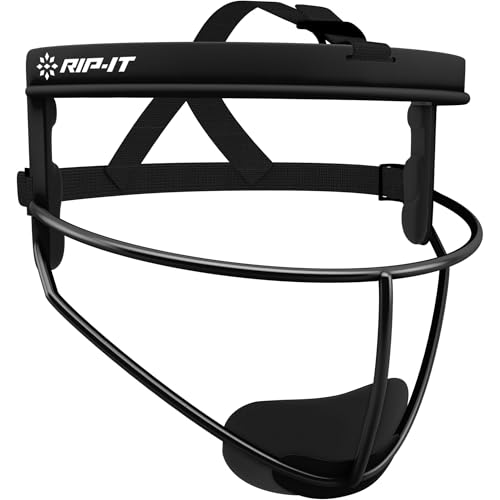 | RIP-IT Defense Softball Fielder's Mask (Adult) | Older/bigger players (14U–HS) | ~$40 | View → |
 | Rawlings HI-VIZ Fastpitch Fielder's Mask | Maximum visibility | ~$60 | View → |
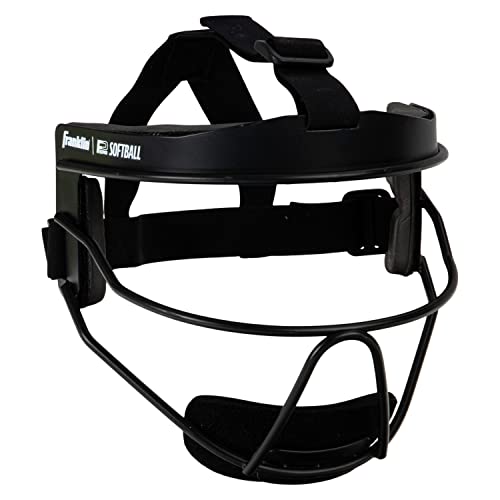 | Franklin Sports Youth Fielder's Face Mask | A comfortable youth alternative | ~$52 | View → |
 | Dinictis Softball Face Mask (Budget) | Cheapest way to get protected today | ~$27 | View → |
*Prices at time of writing — they move; check the listing.
RIP-IT Defense Softball Fielder's Mask (Youth)
~$40
The RIP-IT Defense is the mask you see on the most fields, and for good reason: it's light, the wire cage gives a wide, mostly unobstructed view of the ball, and the adjustable harness dials in on a range of head sizes. The youth version is sized for roughly 8U–12U faces. It's the safe default if you just want the one most players and coaches already trust.
The build is a steel cage on a soft, moisture-wicking harness — durable enough to live in a gear bag all season. If your player is on the bigger end, grab the adult sizing instead.
- The most popular, proven youth fielding mask
- Light enough that kids keep it on
- Wide field of view through the cage
- Adjustable harness fits a range of sizes
- Steel cage is heavier than poly masks
- Harness can need re-tightening over a season
RIP-IT Defense Softball Fielder's Mask (Adult)
~$40
The adult-sized RIP-IT Defense is the same trusted design scaled up for teen and high-school faces. If a 13–18-year-old finds the youth mask pinches or rides high, this is the size to get — same wide view, same light steel cage.
- Proper fit for teen/HS players
- Same proven RIP-IT design
- Wide sightlines
- Durable all-season build
- Too large for younger kids
- Steel-cage weight
Rawlings HI-VIZ Fastpitch Fielder's Mask
~$60
Rawlings' HI-VIZ mask is built around visibility — the cage geometry and finish are designed to keep the wire out of the player's eyeline so they pick up the ball cleanly. If your player complains that a mask "blocks their view," this is the upgrade that usually fixes the complaint. It costs a bit more than the RIP-IT, but for a glove-side infielder who lives on quick reactions, the sightlines are worth it.
- Designed for an unobstructed view of the ball
- Trusted Rawlings build quality
- Comfortable harness
- Good for reaction-heavy positions
- Pricier than the RIP-IT
- Premium for a piece kids outgrow
Franklin Sports Youth Fielder's Face Mask
~$52
Franklin's youth fielding mask is a solid alternative for younger players who find other masks bulky — the padding and harness are aimed at all-game comfort so the mask doesn't get pushed up onto the helmet between pitches. A good choice when comfort is the deciding factor for getting a hesitant kid to wear protection.
- Comfort-focused padding and harness
- Youth-appropriate sizing
- Recognizable brand
- Stays put during play
- Pricier than budget masks
- Less ubiquitous than RIP-IT on the field
Dinictis Softball Face Mask (Budget)
~$27
If the choice is "this $27 mask or no mask," buy the mask. The Dinictis is a lightweight, wide-view fielding mask that covers the basics for rec and early travel ball at the lowest price here. It's not as refined as the RIP-IT or Rawlings, but it protects the face, and for a quickly-growing young player who'll size up next season, the value is hard to argue with.
- Lowest price here — protection without the sticker shock
- Lightweight, wide field of view
- Fine for rec and early travel ball
- Easy first mask
- Less refined fit/finish than premium picks
- May not last multiple seasons
Who actually needs a fielding mask?
The pitcher and the corner infielders (first and third base) are the highest-priority players for a fielding mask, because they field the ball closest to the bat with the least reaction time. In fastpitch, the pitching circle is close and a hard liner up the middle can reach the pitcher in a fraction of a second. Third base — "the hot corner" — earns its name for the same reason. Middle infielders and even some outfielders wear them too, and plenty of parents simply mask any kid who wants one.
This isn't being overprotective: facial and dental injuries from batted balls are exactly the kind of freak event a $30–$60 mask prevents, and they're far more common in the close quarters of fastpitch than in baseball.
Does my league require one?
Many youth, travel, and recreational fastpitch leagues now require — or strongly recommend — defensive face masks for pitchers and infielders; some mandate them, some leave it to the family. Rules vary by organization (USA Softball, USSSA, and local rec leagues all differ) and change year to year, so confirm with your specific league before the season. Even where it's optional, most coaches encourage it for the pitcher and corners.
How to size and fit a fielding mask
A fielding mask should sit snug against the forehead and cheeks with the harness firm enough that it doesn't bounce when the player runs, but not so tight it leaves marks. Most masks come in youth and adult sizing — youth roughly covers 8U–12U, adult for teen and high-school faces. A mask that's too big slides and gets pushed up; one that's too small pinches and gets left in the bag. When in doubt between sizes for a growing kid, the snugger fit is safer than the looser one.
| Player | Typical size |
|---|---|
| 8U–12U | Youth |
| 13U–14U | Youth or Adult (try both) |
| High school / adult | Adult |
Steel cage vs. lightweight molded masks
Steel-wire cage masks (like the RIP-IT and Rawlings) are durable and give a clear, framed view; lightweight molded or poly masks can feel less intrusive but vary more in coverage and durability. For most players the steel cage is the right call — it's proven, it lasts, and modern designs keep the wire out of the sightline. The main reason to go lighter is a player who genuinely won't wear a cage; a lighter mask they'll actually keep on beats a sturdier one in the bag.
When to replace a fielding mask
Replace any mask that has taken a direct hit, or whose cage is bent, cracked, or whose harness has stretched out. A mask is a one-save piece of gear in the worst case — it can do its job once and be compromised. After any real impact, inspect the cage and welds; if anything is deformed, retire it. And size up as the player grows: a mask that rides high or pinches won't sit where it needs to on impact.
Also worth a look
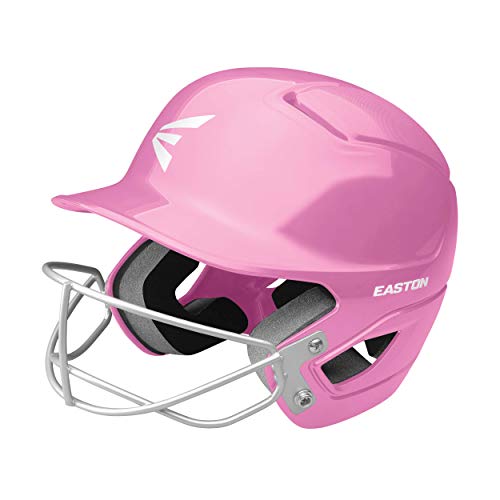 Easton ALPHA Fastpitch Helmet w/ FacemaskBatting-side protection: a helmet with a facemask~$53 · View on Amazon →
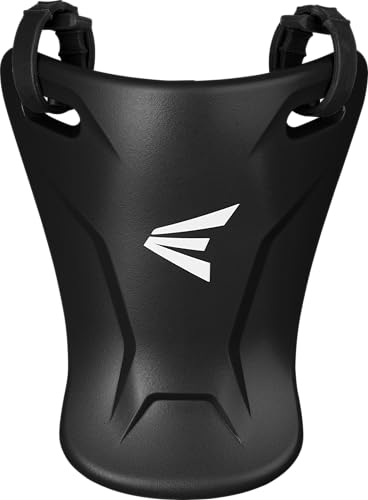 Easton Throat Guard 3.0Add a throat guard to any cage~$15 · View on Amazon →
FAQ
What is the best fastpitch softball fielding mask?
For most players, the RIP-IT Defense (around $40) is the best all-around pick — light, proven, and widely trusted. The Dinictis (around $27) is the budget option, and the Rawlings HI-VIZ is best if you want the clearest possible view of the ball.
Do softball pitchers have to wear a face mask?
It depends on your league. Many youth, travel, and rec fastpitch leagues require or strongly recommend defensive masks for pitchers and infielders, but rules vary by organization and year — confirm with your specific league before the season.
Which positions need a fielding mask most?
The pitcher and the corner infielders (first and third base), because they field closest to the bat with the least reaction time. Middle infielders often wear them too, and any player who wants one should have one.
How should a fielding mask fit?
Snug against the forehead and cheeks, with the harness firm enough that it doesn't bounce when running but not so tight it leaves marks. Youth sizing covers roughly 8U–12U; adult fits teen and high-school players.
Are steel cage masks better than lightweight ones?
For most players, yes — steel cages are durable, proven, and modern designs keep the wire out of the sightline. A lighter molded mask mainly makes sense for a player who otherwise refuses to wear protection.
When should I replace a fielding mask?
After any direct impact, or if the cage is bent or cracked or the harness has stretched out. Also size up as the player grows so the mask sits correctly on impact.
How much should I spend on a fielding mask?
Between about $27 (Dinictis) and $60 (Rawlings HI-VIZ). The ~$40 RIP-IT Defense is the value sweet spot for most families.
Can the same mask be used for baseball and softball?
Defensive fielding masks are largely sport-neutral in function, but sizing and fit are designed around youth softball players here. Buy to fit the player's face, not the sport label.
We're the team behind MAVTRAX — pitch-calling software used by baseball and softball teams from 9U travel ball up. We spend our days around dugouts, gear bags and tournament weekends. Picks are chosen on specs, durability for youth-sports abuse, real-world price, and owner feedback — not on who pays the highest commission. Full criteria on how we pick.