Best Baseball Walk-Up Songs for Youth Players (2026 List by Age)
The right walk-up song tells the field who's coming. From 8U kids who want a movie theme to 16U travel ballers going for intimidation, here are the songs that actually hit, sorted by age, style, and what works inside a rec-ball PA versus an open field.
In this guide · 7 sections
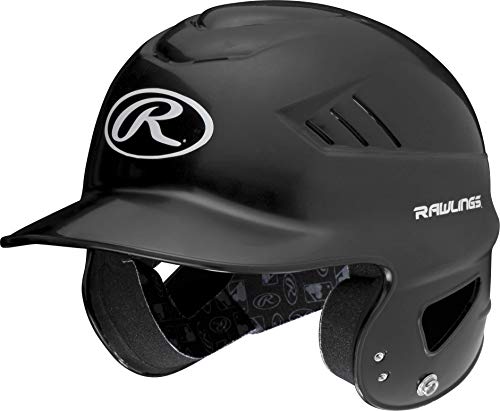
- Helmet headset
- Walk-up songs for 8U, 10U (make it fun, make it fast)
- Walk-up songs for 12U, 14U (energy + edge)
- Walk-up songs for 16U+ and high school (full intimidation mode)
- Pitcher walk-up songs vs. batter walk-up songs
- How to run walk-up songs at a youth tournament
- One upgrade that changes how you run the game entirely
Key takeaways
- Keep it short: most leagues cut the song after 5 to 15 seconds. Pick a song that's recognizable instantly, the hook in the first 8 bars, not the verse.
- Age matters more than style: 8-10U should feel fun and familiar; 12-14U wants something with energy and edge; 16U+ can go full intimidation mode.
- For open-field or tournament games with Bluetooth speakers, songs with a strong bass line carry further and hit harder than treble-heavy pop tracks.
- Ask the player, not the parent. The best walk-up song is the one the kid is excited about, their confidence at the plate is the point.
- Always test on your team's actual speaker first, compressed Bluetooth audio cuts bass and muddies lyrics. A song that sounds great on AirPods can sound terrible through a portable PA.
- Update the list every season. Walk-up songs that feel fresh in March feel dated by July, let players update midseason if something better drops.
Walk-up songs are baseball's best 15 seconds. A great one fires up the player, pumps the crowd, and puts the defense on notice. A bad one gets groans from the dugout before the first pitch. For youth players especially, the right song can be the difference between a nervous 8-year-old approaching the box and a kid who walks up like they own the field.
This list covers songs that actually work, sorted by age group and style, with notes on what plays well through a Bluetooth speaker at a youth tournament. The principle: pick the song that makes your kid feel like they belong up there.
Walk-up songs for 8U, 10U (make it fun, make it fast)
At this age, the song needs to be immediately recognizable, something the kid lights up when it comes on. Intimidation is secondary to confidence and fun. It should also survive being played out of a parent's phone speaker at the fence.
Crowd-proven picks for 8U, 10U:
- "Seven Nation Army", The White Stripes. Instantly iconic riff, recognizable to every age group, bass line cuts through any speaker.
- "Eye of the Tiger", Survivor. Classic pump-up, kids know it from sports movies. Works at every age.
- "Thunderstruck", AC/DC. The intro builds perfectly, great for a player who likes to take their time in the box.
- "Jump Around", House of Pain. Pure energy, dugout goes crazy, 8-year-olds love it.
- Any Mario/Zelda video game theme. Instant crowd recognition, age-appropriate, kids at this age love the nerd flex.
- Movie themes: Top Gun: Maverick, Rocky, Avengers. Short, famous, and the hook hits in the first 3 seconds.
What to avoid at 8U: anything with a slow intro (they'll be in the box before the hook hits), or anything with explicit content that'll get the PA cut immediately.
Walk-up songs for 12U, 14U (energy + edge)
This is the age where players start developing a real persona at the plate. The song should have edge but the player still needs to identify with it. Let them pick, veto the explicit stuff and the stuff with a 30-second intro, but otherwise defer to the player.
What's working at 12U, 14U right now:
- "Welcome to the Jungle", Guns N' Roses. Perfect 10-second intro, pure intimidation, crosses every demographic.
- "Shipping Up to Boston", Dropkick Murphys. Famously Jonathan Papelbon's closer song. Instant energy spike.
- "Crazy Train", Ozzy Osbourne. That opening riff is one of the most recognizable in rock. Short, punchy, crowd reacts.
- "Enter Sandman", Metallica. The gold standard for sports walk-up music. Epic intro that builds exactly right.
- Current hip-hop with clean edits. Whatever the player is actually listening to on their own, just get the clean version and check the first 15 seconds for content.
- "Sweet Home Alabama", Lynyrd Skynyrd. If the player is Southern and knows what this means, it goes hard.
- "Levels", Avicii. Works surprisingly well through a Bluetooth speaker, familiar to this age group.
Coaching note: let the player test their song at home first. Have them play the first 15 seconds. Do they feel the thing? Does it make them stand up straight? That's the right song.
Walk-up songs for 16U+ and high school (full intimidation mode)
High school and older travel ball is where walk-up songs get serious. The player is more self-aware, the competition level is higher, and a great song can set a tone. The picks here lean toward stadium-tested anthems and current tracks that hit hard on a good sound system.
High school and travel ball favorites:
- "Industry Baby", Lil Nas X. The trumpet intro is one of the most recognized walk-up songs in high school baseball right now. Gets the crowd up immediately.
- "Starboy", The Weeknd. Clean intro, massive production, plays great through a PA system.
- "Started From the Bottom", Drake. Works especially well for a player with a story behind it.
- "God's Plan", Drake. Opening 10 seconds hits hard, recognizable to every age group watching.
- "All I Do Is Win", DJ Khaled. Tournament staple, still hits, crowd knows to clap on the "win" drops.
- "Power", Kanye West. One of the greatest walk-up song intros in the history of sports. 10 seconds of pure theater.
- "Can't Hold Us", Macklemore & Ryan Lewis. That horn section at the start is built for walk-ups. Clean, high energy, works everywhere.
- "Believer", Imagine Dragons. If your player is a drummer who loves that opening, they already know this is their song.
Pitcher walk-up songs vs. batter walk-up songs
Walk-up songs serve different purposes for pitchers vs. batters:
Batter walk-up: Should be short (8 to 15 seconds), high energy, and recognizable. The batter is approaching the box; you want the peak hit immediately. Avoid long intros and slow builds.
Closer / pitcher's entrance: Can be slightly longer and more dramatic, closers at all levels (from high school down to travel ball) often use walk-up songs for entrance to the mound. Classic closer songs: "Enter Sandman" (Rivera), "Welcome to the Jungle," "Thunderstruck." The slow build is a feature, not a bug, when the team is walking in from the bullpen.
Team warm-up playlist: Separate from walk-up songs, this is a rotation of pump-up tracks during batting practice. Let the players build this collectively. DJ-style playlists work better than individual songs for warm-up because they don't require a PA operator mid-drill.
How to run walk-up songs at a youth tournament
Practical setup for coaches managing walk-up songs at a tournament:
- Collect songs before the season, not on the day. Have every player submit their song (title + artist + what timestamp to start from) at least a week before opening day. You need time to find clean versions and test them.
- Use Spotify or YouTube Music with downloaded playlists. Cell service at outdoor baseball complexes is unpredictable. Download your playlist before you leave home. Label each track with the player's name.
- Test through your actual speaker. An old Bluetooth JBL Flip at 70% volume sounds completely different from AirPods. Many "perfect walk-up songs" have a lot of detail in the 8 to 12kHz range that gets lost through compressed Bluetooth. Songs with strong bass lines (115 to 120 BPM) survive compression better.
- Find the hook timestamp. Every song has a moment, the riff, the chorus drop, the signature drum hit, that is the song. Find that timestamp and start there. A 4-minute song might be a 12-second walk-up clip starting at 0:45.
- Have a backup for players who forget. Keep a list of crowd-safe anthems ("Eye of the Tiger," "Seven Nation Army," "Thunderstruck") that can play for any player who blanks. Better than silence.
One upgrade that changes how you run the game entirely
If you're already managing a Bluetooth speaker and a song list for walk-ups, you're two steps from running full electronic pitch calling: the same phone, the same Bluetooth, and a $15 clip speaker inside the catcher's helmet.
MAVTRAX sends the pitch call from the coach's phone directly to the catcher's earpiece in under a second, no visible signs, no sign-stealing risk. If you're already organized enough to run walk-up songs, you're already organized enough to run electronic pitch calling. And MAVTRAX is completely free, no subscription, ever. How electronic pitch calling works →
We're the team behind MAVTRAX, a free pitch-calling app. This is a research guide: picks are chosen on manufacturer specs, league rules, build quality and real-world price, checked against live listings, not on who pays the highest commission. We haven't hands-on tested every product. Full criteria on how we pick.
The gear every player actually needs
The core kit from our gear checklist. Live price on Amazon.